Wet Wipes Machines and Sustainability
Eco-Friendly Practices and Technologies


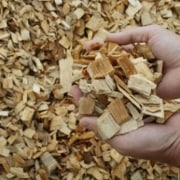
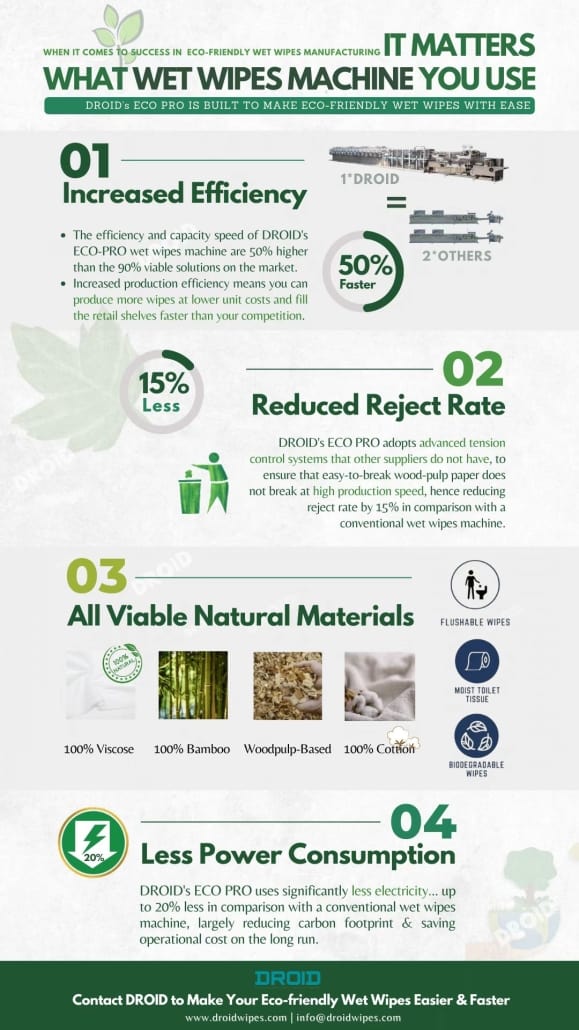
Using biodegradable materials is the first stage in producing environmentally friendly wet wipes. Most wet wipes are composed of nonbiodegradable synthetic fibers, such as polyester (PET) and polypropylene (PP). However, biodegradable alternatives such as cellulose fibers and viscose are now available. These materials decompose naturally over time and pose no environmental dangers, minimizing their environmental impact.
Therefore, wet wipes machines can be designed to use these biodegradable materials in their production process. This allows wet wipes manufacturers to produce products that are sustainable and meet the growing demand for eco-friendly options. Overall, using biodegradable materials in wet wipes production is a step in the right direction toward sustainability.



Water is a crucial resource not only for all living things, but also in wet wipes production, and the wet wipes manufacturing process can be water-intensive. However, wet wipes machines can be designed to recycle water, reducing the amount of water used in the production process. Water recycling systems can filter and treat water used in production, allowing it to be reused in subsequent production cycles. This reduces the amount of freshwater needed for production and also reduces wastewater discharge.
The water recycling process typically involves several stages, including filtration, disinfection, and treatment. These processes are important practices in wet wipes production. It helps to conserve water resources, reduce pollution, and can lead to cost savings for manufacturers.
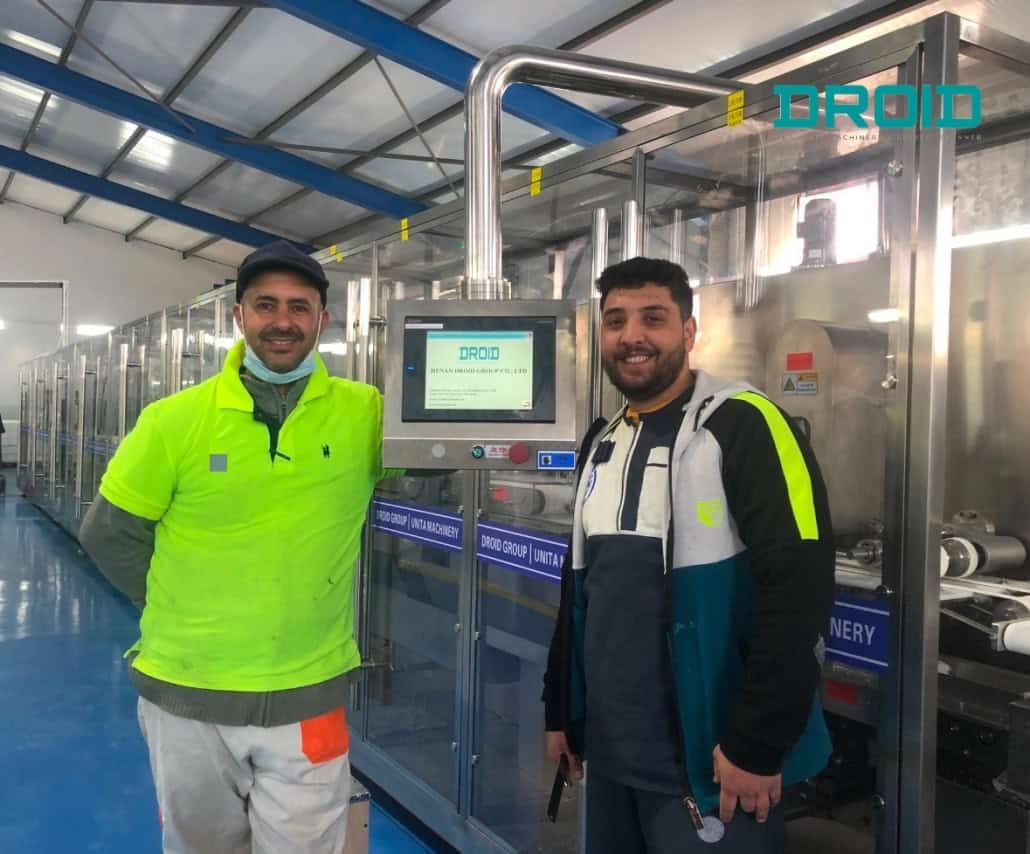
The considerable quantity of energy required to operate wet wipes machines contributes to their environmental impact. However, technological advancements have made it possible to design more energy-efficient wet wipes machines.
For example, wet wipes machines can be equipped with variable frequency drives (VFDs) that adjust the speed of the machine to match the production needs. This makes the machine more energy-efficient by decreasing its energy consumption.
Wet wipes production requires the use of solvents, such as alcohol, for sanitization purposes. These solvents help to kill bacteria and other microorganisms that may be present in the production process, ensuring that the final product is safe and effective for consumer use. However, improper disposal of these solvents may cause serious environmental damage.
One issue with the use of solvents is the potential for air pollution. When solvents are used in production, they can evaporate into the air and contribute to air pollution. This is particularly true in areas with poor ventilation or where solvents are used in large quantities. To reduce the impact of solvent use on air quality, wet wipes manufacturers can implement strategies such as using low-emission solvents, optimizing ventilation systems, and reducing the number of solvents used in production.
There is also the potential for wastewater contamination when using solvents. When solvents are used in production, they may end up in the wastewater that is generated during the manufacturing process and may have negative environmental impacts. To mitigate this, wet wipes manufacturers can implement wastewater treatment systems that remove solvents and other contaminants before the water is discharged.
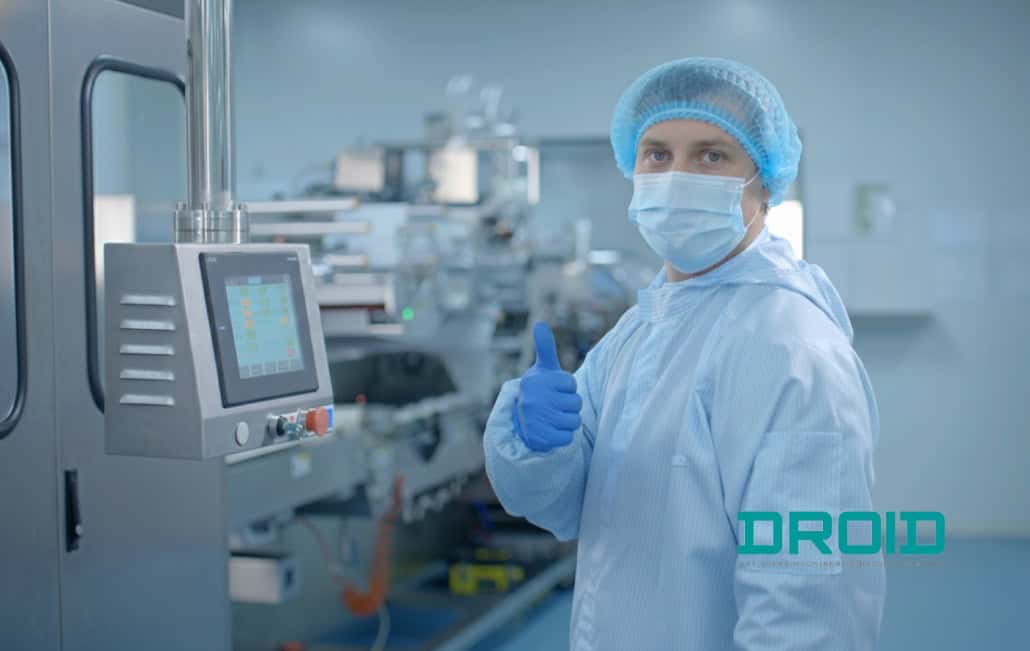
Wet wipes machines can be designed to produce wet wipes with minimal waste. This is an important consideration for wet wipes manufacturers, as reducing waste can lead to cost savings and also help to minimize the environmental impact of production.
One way to reduce waste in wet wipes production is by optimizing the manufacturing process. This can involve several strategies, such as using precise amounts of materials, reducing the number of production steps, and minimizing the amount of scrap generated during production.
Another way to reduce waste is by designing wet wipes that are smaller in size or using thinner materials. This can help to reduce the amount of material used in each wipe, leading to less waste and lower production costs.
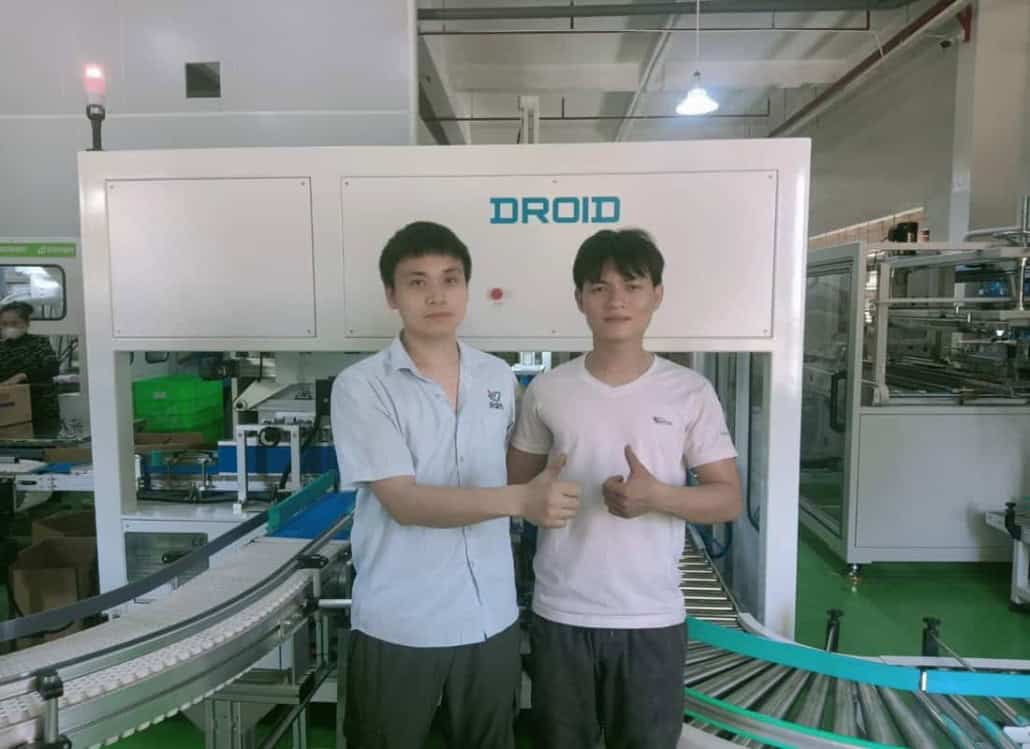
Packaging is another area where wet wipes machines can adopt sustainable practices. Packaging is an essential component of wet wipes production, as it protects the product during transportation and storage and also provides important information to consumers. However, the use of packaging materials can have environmental implications, particularly if they are not recyclable or made from sustainable materials.
One way to adopt sustainable packaging practices is by using recyclable materials. Many types of packaging materials, such as cardboard, can be recycled, reducing the amount of waste that ends up in landfills. Another way to adopt sustainable packaging practices is by using biodegradable or compostable materials. These materials break down naturally over time and have less of an impact on the environment than non-biodegradable materials. Lastly, reducing the amount of packaging used in wet wipes production can also be a sustainable practice. This can be achieved by using minimal packaging or by eliminating unnecessary packaging components, such as excess plastic wrap or inserts.
What makes a wet wipes machine eco-friendly?
The environmental impact of an eco-friendly wet wipes machine is minimized through the implementation of water recycling systems, reduced energy consumption, compatibility with biodegradable materials, efficient packaging solutions, and minimal refuse generation.
Can wet wipes machines run biodegradable and plastic-free materials?
Yes. Without compromising speed or product quality, contemporary wet wipes are designed to handle biodegradable substrates, including bamboo fiber, wood pulp, viscose, organic cotton, and plastic-free spunlace.
How do sustainable wet wipes machines reduce water consumption?
By filtering, disinfecting, and reusing process water, closed-loop water recycling systems in sustainable wet wipes machines drastically reduce freshwater use and wastewater output.
Are energy-efficient wet wipes machines more expensive?
Energy-efficient wet wipes machines save long-term operating costs through lower electricity use, fewer failures, and increased production stability, even if the initial investment may be slightly higher.
What role does solvent recovery play in sustainable wet wipes production?
In addition to cutting material costs, solvent recovery systems reduce air pollutants, minimize wastewater pollution, and improve worker safety by capturing and reusing alcohol and other solvents.
How can wet wipes manufacturers minimize production waste?
Precise dosing systems, improved cutting accuracy, less trim loss, thinner substrates, automated quality control, and sophisticated wet wipes equipment may all reduce waste.
Is sustainable packaging compatible with wet wipes machines?
Yes. Recyclable, biodegradable, mono-material, and reduced-plastic packaging may be used with modern wet wipes machines, promoting sustainable branding without sacrificing sealing effectiveness.
Do eco-friendly wet wipes machines affect production speed?
No, because of sophisticated tension control and servo-driven technologies, high-performance sustainable wet wipes machines can process environmentally friendly materials at high output rates.
How does sustainability help wet wipes manufacturers stay competitive?
Sustainable production lowers operational costs, appeals to environmentally aware consumers, helps wet wipes businesses comply with international legislation, and future-proofs their business as global plastic limits grow.
Are sustainable wet wipes machines suitable for startups and large factories?
Yes. Scalable, sustainable wet wipes machines may be set up for high-volume luxury producers, expanding converters, and startups, enabling progressive modifications as production needs rise.
 Izmir, Turkey
  Zhengzhou, China
 Seoul, South Korea
  Delhi, India