

1. Optimize Raw Material Usage
Waste reduction in the production of wet wipes depends on the efficient use of basic materials. Wet wipes manufacturers can substantially reduce waste by precisely measuring and controlling the quantity of nonwoven fabric, lubricant, and other ingredients. Implementing automated dispensing and cutting systems ensures efficient material use, reduces excess, and maintains consistent product quality. This results in cost savings and also reduces waste by reducing the number of resources required to produce the same volume of products.
Sophisticated software solutions can significantly influence the optimization of raw material utilization. These systems can analyze production data in real time, thereby identifying areas for improvement and providing insights into material consumption patterns. For instance, manufacturers can optimize their processes by monitoring the thickness and weight of the nonwoven fabric to ensure the appropriate amount of material is used for each cleanse. Furthermore, these software tools can help predict future material requirements, thereby facilitating improved inventory management and minimizing the likelihood of overstocking or running out of essential supplies.
Involving employees in continuous improvement initiatives and providing them with training on the importance of efficient material use can also yield substantial benefits. Workers who are cognizant of the environmental and financial consequences of pollution are considerably more inclined to implement proactive measures to mitigate it. Ultimately, a more efficient, eco-friendly manufacturing process is achieved by fostering a culture of responsibility and sustainability within the workforce, ensuring that all individuals are dedicated to optimizing raw material use.

2. Implement Advanced Production Technologies
To mitigate waste in wet wipe production, it is imperative to implement cutting-edge production technologies. Scrap can be substantially reduced during cutting and folding by using state-of-the-art apparatus equipped with precise control systems. For example, laser-cutting devices provide unparalleled precision, ensuring each wipe is cut to the exact dimensions required and reducing material waste. Automation is also essential for improving production efficiency. Robots and automated systems can perform repetitive tasks with exceptional precision, resulting in consistent product quality and reduced waste.
Additionally, advanced technologies significantly enhance process monitoring and control. Wet wipes manufacturers can oversee each stage of the production process, from the input of unprocessed materials to the final packaging, through the incorporation of real-time data analytics and the Internet of Things (IoT). This continuous monitoring enables immediate implementation of modifications when inefficiencies or defects are identified, thereby preventing waste. For instance, if a machine begins producing wipes that are slightly off-spec, the system can autonomously adjust or suspend production to address the issue before a large number of defective products are produced.
Additionally, the implementation of sophisticated production technologies enhances sustainability and energy efficiency. The manufacturing process’s overall environmental footprint is reduced through the design of modern machines engineered to operate with greater precision and consume less energy. Predictive maintenance technologies can further improve operational efficiency by predicting equipment failures in advance, thereby reducing downtime and preventing the waste associated with unforeseen malfunctions. Wet wipes manufacturers can establish themselves as leaders in operational excellence and environmental stewardship by investing in these advanced technologies, enabling them to achieve a more sustainable, cost-effective production process.

3. Adopt Lean Manufacturing Principles
In the production of wet wipes, applying lean manufacturing principles is essential for reducing waste and enhancing efficiency. These principles are dedicated to eliminating all forms of waste, including excess production, idle time, superfluous motion, and defects. Wet wipes manufacturers can optimize their operations by applying lean methodologies, resulting in substantial waste reduction and more efficient production processes. Lean manufacturing emphasizes continuous improvement, motivating manufacturers to refine their processes and minimize waste consistently.
This practice of just-in-time (JIT) production is a critical component of lean manufacturing. JIT ensures that materials and components are delivered precisely when required in the production process, thereby reducing the need for substantial inventory and minimizing the risk of material obsolescence. This method not only reduces storage costs but also reduces the likelihood of material waste due to deterioration or injury. Wet wipes manufacturers can reduce overproduction and associated waste by synchronizing production schedules with demand, allowing them to produce only what is required at the appropriate time.
Identifying and eliminating barriers in the production process is another essential aspect of lean manufacturing. Bottlenecks can result in inefficiencies that waste resources, increase waiting periods, and cause delays. Wet wipes manufacturers can visualize the entire production process, identify wasteful areas, and implement targeted enhancements by using techniques such as value stream mapping. Furthermore, lean manufacturing fosters a culture of continuous improvement (Kaizen), in which employees of all levels are encouraged to propose and execute process improvements. This collaborative approach ensures that waste reduction becomes a shared objective, fostering continuous improvements in sustainability and efficiency.
Additionally, the significance of quality at the source is underscored in lean manufacturing. This principle entails empowering employees to assume responsibility for their work and ensuring that quality is integrated into each stage of the production process. Wet wipes manufacturers can substantially reduce waste associated with rework and rejected products by prioritizing defect prevention over subsequent correction. Error-proofing (poka-yoke) and standardized work procedures are effective methods for ensuring consistency and quality, thereby reducing waste. In conclusion, the implementation of lean manufacturing principles allows moist wipes manufacturers to establish a production environment that is more cost-effective, sustainable, and efficient, thereby benefiting both the business and the environment.

4. Improve Quality Control Measures
It is imperative to improve quality control measures to minimize waste and ensure consistent, high-quality wet wipe production. The early detection and correction of defects is facilitated by rigorous quality checks at various stages of the manufacturing process, thereby preventing defective products from reaching the packaging stage. This proactive approach minimizes waste from discarded products and reduces the need for rework. Wet wipes manufacturers can enhance the precision and reliability of their quality assurance processes by investing in sophisticated quality control technologies, including automated inspection systems and real-time monitoring.
By providing continuous, precise surveillance of the production line, automated inspection systems, including vision inspection technology, can substantially enhance quality control. These systems employ cameras and sensors to evaluate each cleanse for defects, including inconsistencies in moisturizer application, rips, or incorrect dimensions. The immediate detection of defects by these systems enables rapid modifications, ensuring that only compliant products advance through the production process. This results in increased customer satisfaction by not only reducing waste but also improving the product’s overall grade.
Another effective strategy for enhancing quality control is implementing statistical process control (SPC). The production process is monitored and controlled using statistical methods to ensure it operates at peak efficiency through SPC. Wet wipes manufacturers can identify trends and variations that may signal potential quality issues by analyzing production-line data. This data-driven approach enables manufacturers to make informed decisions and take corrective actions before defects occur, thereby reducing waste and maintaining high-quality standards.
It is also essential to train and empower employees to actively participate in quality control. Workers become valuable contributors to waste reduction efforts when they understand the importance of quality and are equipped with the skills and resources to monitor and maintain it. The maintenance of quality at every stage of production is guaranteed by a culture that promotes open communication and continuous improvement, as well as regular training sessions on quality control techniques. Wet wipes manufacturers can establish a more efficient, waste-conscious production environment by encouraging a team-oriented approach to quality assurance.
Wet wipes manufacturers can significantly reduce waste and improve overall efficiency by focusing on optimizing raw material use, implementing advanced production technologies, adopting lean manufacturing principles, and strengthening quality control. These strategies not only enhance the sustainability of the manufacturing process but also reduce costs and enhance product quality, thereby enabling wet wipes manufacturers to achieve long-term success in a competitive market.

5. Recycle and Reuse
The recycling and reprocessing of materials during the fabrication of damp tissues is a highly effective approach to promoting sustainability and reducing waste. One effective method is to repurpose the remnants and offcuts of nonwoven fabric produced during cutting. The quantity of waste that is disposed of in landfills can be reduced by collecting, processing, and reintroducing these materials into the production line to produce new tissues or other products. Wet wipes manufacturers can considerably reduce their environmental impact and raw material consumption by implementing a closed-loop system that continuously recycles refuse materials.
Wet wipes manufacturers may also prioritize the reuse and repurposing of excess moisturizers and chemicals used during manufacturing, as well as recycling fabric remnants. For example, any surplus lotion that is not applied to the tissues can be collected and reprocessed for future use. This not only minimizes waste but also guarantees that valuable resources are not disposed of unnecessarily. The long-term benefits in terms of cost savings and waste reduction are substantial, but implementing systems to capture and reuse these materials requires investment in appropriate storage and handling facilities.
Collaborating with suppliers and other industry partners can further improve recycling and reuse initiatives. Wet wipes manufacturers can create innovative solutions for reprocessing and repurposing materials that are otherwise difficult to manage by collaborating. For example, partnerships with recycling companies can help establish programs to collect and recycle used wet wipes and their packaging, thereby transforming them into valuable raw materials for other products. Furthermore, manufacturers may investigate incorporating biodegradable and recyclable materials into their products, which are more readily reprocessible after use. This collaborative approach not only enhances the sustainability of the wet wipes manufacturing process but also demonstrates the company’s dedication to environmental stewardship, thereby increasing its reputation and appeal to eco-conscious consumers.
6. Reduce Packaging Waste
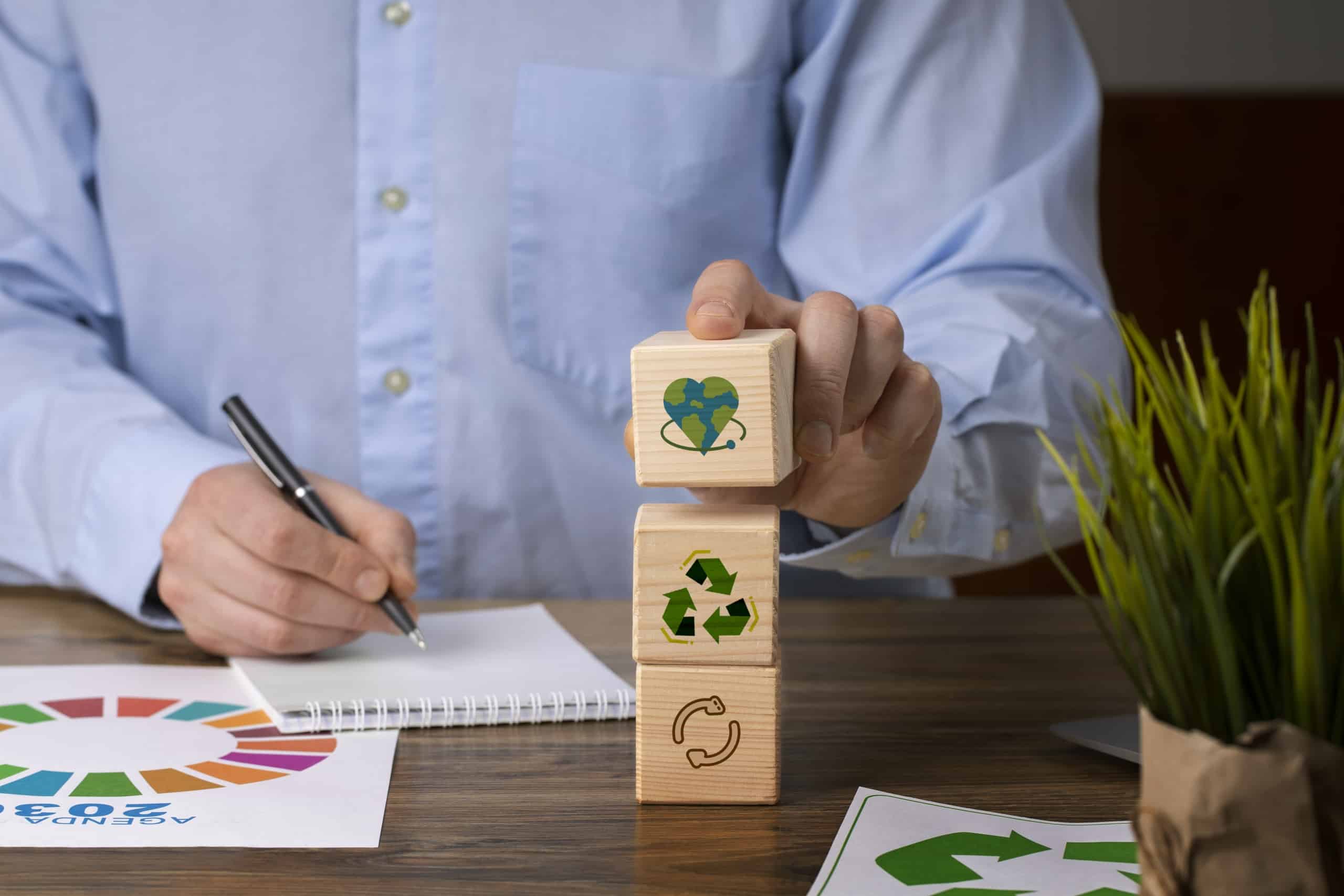
In the wet wipes industry, sustainable manufacturing requires reducing packaging waste. A viable approach is to develop packaging that minimizes material use while simultaneously ensuring the product’s integrity and safety. For example, the utilization of more compact packaging designs or the selection of thinner plastic materials can substantially reduce the quantity of plastic used. In addition, wet wipes manufacturers may investigate alternative packaging materials, such as biodegradable or compostable options, which can decompose naturally and mitigate environmental impact.
Innovative packaging solutions can also help reduce waste. This can be achieved by substituting single-use sachets for moist tissues with refillable containers, significantly reducing the volume of packaging waste. The frequency of packaging disposal can be reduced by consumers purchasing larger, bulk refill packets to replenish their containers. This method not only reduces waste but also appeals to environmentally conscious consumers who prioritize sustainable products. Additionally, packaging designs that optimize space efficiency during transportation and storage can further diminish the overall environmental impact.
Another critical measure is implementing recycling programs for packaging materials. Promoting the return or recycling of used packaging can prevent these materials from being disposed of in landfills. Wet wipes manufacturers can establish convenient drop-off points or mail-back programs for used packaging by collaborating with retailers and recycling companies. Furthermore, consumer participation in recycling programs can be improved by implementing explicit labeling and consumer education on the appropriate recycling of packaging materials. Wet wipes manufacturers can substantially reduce waste and advance a circular economy by assuming responsibility for the lifecycle of their packaging.
Not only does implementing these strategies to mitigate packaging pollution benefit the environment, but it also aligns with consumer demand for sustainable products and enhances the brand’s reputation. Wet wipes manufacturers that demonstrate a dedication to sustainability by taking proactive measures to reduce packaging waste can distinguish themselves in a competitive market. In addition, reducing packaging waste can lead to cost savings in materials and logistics, thereby enhancing the overall efficiency and profitability of the manufacturing process.

7. Energy Efficiency
It is imperative to enhance energy efficiency in the production of moist tissues to reduce operational costs and minimize environmental impact. Wet wipes manufacturers can substantially reduce energy consumption by adopting energy-efficient technologies and practices. One effective strategy is to convert to high-efficiency apparatus and equipment engineered to reduce energy consumption while maintaining or enhancing production output. For instance, optimizing energy consumption can result in significant cost savings and reduced greenhouse gas emissions by replacing conventional motors with energy-efficient alternatives and implementing variable-frequency drives (VFDs).
Energy management systems (EMS) that monitor and regulate energy consumption throughout the production process are advantageous to wet wipes manufacturers, alongside equipment enhancements. The use of these systems enables manufacturers to identify energy-waste areas and make informed decisions to improve efficiency by providing real-time data on energy consumption. For example, EMS can help identify wet wipes machines that are operating inefficiently or unnecessarily, thereby facilitating the timely implementation of maintenance or modifications. Wet wipes manufacturers can enhance their operational performance and energy efficiency by consistently monitoring and optimizing their energy consumption.
Facility improvements and best practices can also be implemented to increase energy efficiency. Substantial energy savings can be achieved by implementing measures such as energy-efficient lighting, proper insulation, and optimizing heating, ventilation, and air conditioning (HVAC) systems. Furthermore, energy consumption can be reduced by implementing best practices such as scheduling production during off-peak hours to capitalize on lower energy rates, training employees in energy-saving techniques, and conducting regular equipment maintenance to ensure efficiency. Wet wipes manufacturers can not only enhance their competitiveness by reducing their environmental footprint but also improve their sustainability credentials and lower operational costs by nurturing a culture of energy awareness and efficiency.

8. Training and Awareness
The cultivation of a culture of sustainability and efficiency within the moist wipes manufacturing industry depends on implementing training and awareness programs. Wet wipes manufacturers can encourage their personnel to actively participate in optimizing production processes and reducing waste by educating them about the significance of sustainable practices and waste reduction. The training programs should be comprehensive and cover a range of waste management topics, including effective recycling and reuse practices, energy-saving techniques, and proper handling and measurement of basic materials. The likelihood of employees adopting sustainable practices and contributing to the company’s overall waste-reduction efforts increases when they understand the environmental and financial consequences of their actions.
Employees can stay informed about the latest technologies, regulatory requirements, and best practices in sustainability and waste management through regular training sessions and seminars. Additionally, these seminars can serve as platforms for sharing success stories and case studies that illustrate the successful implementation of waste-reduction strategies by other companies or departments. Innovation and collaboration can be fostered by encouraging employees to participate in continuous improvement initiatives, such as Kaizen events or green teams, which can lead to the development of novel and effective waste-reduction methods. Wet wipes manufacturers can cultivate a motivated and engaged workforce by providing employees with opportunities to contribute ideas and take ownership of sustainability initiatives.
It is essential to raise awareness through ongoing communication and recognition programs, in addition to formal training. Internal newsletters, bulletin boards, or digital displays within the facility can be used to deliver consistent updates on sustainability objectives, advancements, and accomplishments. Recognizing and rewarding employees who demonstrate exceptional dedication to sustainability and waste reduction can reinforce positive behavior and motivate others to emulate it. Wet wipes manufacturers can guarantee that waste reduction remains a top priority for all employees by integrating sustainability into the company culture in a visible, integrated way.

9. Collaborate with Suppliers
Collaboration with suppliers is an essential approach to reducing waste and improving sustainability in the production of damp tissues. Wet wipes manufacturers can significantly reduce waste in the production process by ensuring the materials they receive are high-quality and sustainably produced, and by collaborating closely with suppliers. The exchange of information and ideas on how to enhance material efficiency and reduce waste can be facilitated by establishing clear communication channels and nurturing strong relationships with suppliers. For instance, manufacturers may collaborate with suppliers to create customized raw materials that meet specific production specifications, thereby minimizing waste and superfluous materials.
Innovative waste reduction solutions can be achieved through collaborative initiatives with suppliers. For example, suppliers may be motivated to implement recycling programs, reduce their carbon footprint, and utilize eco-friendly packaging in their operations. The quantity of packaging material used can be reduced by wet wipes manufacturers collaborating with suppliers to design packaging that is simpler to recycle or to create bulk packaging options. Moreover, wet wipes manufacturers and suppliers can collaborate to establish closed-loop systems, in which waste materials from the wet wipes manufacturing process are returned to the supplier for recycling and reuse. This approach establishes a circular economy that has mutual benefits.
It is possible to ensure that suppliers’ sustainability practices align with the wet wipes manufacturer’s objectives for waste reduction by conducting routine reviews and audits. Wet wipes manufacturers can motivate suppliers to consistently enhance their environmental performance by establishing explicit sustainability criteria and expectations. This collaborative approach may also entail cooperative research and development endeavors to identify and implement new technologies and processes that improve sustainability and reduce waste. Wet wipes manufacturers can not only reduce waste in their operations but also promote broader industry-wide sustainability advances by nurturing a partnership-based approach. This ultimately leads to a more resilient and eco-friendly supply chain.

10. Data-Driven Decision Making
Data-driven decision-making is a powerful approach to improving efficiency and reducing waste in the production of wet wipes. Wet wipes manufacturers can acquire valuable insights into every aspect of their production processes by utilizing advanced data analytics and real-time monitoring technologies. The comprehensive understanding of material use, production efficiency, and waste generation is facilitated by data collection and analysis across various manufacturing phases. This comprehensive understanding allows wet wipes manufacturers to recognize trends, pinpoint inefficiencies, and make well-informed decisions that improve overall performance and minimize waste.
The capability to execute predictive maintenance is one of the primary advantages of data-driven decision-making. Wet wipes manufacturers can anticipate the likelihood of machine failure or maintenance by monitoring equipment performance and analyzing historical data. This proactive approach guarantees that production remains efficient and uninterrupted by preventing unforeseen failures and minimizing delays. In addition to extending the lifecycle of machinery, predictive maintenance minimizes waste from equipment malfunctions and the need for emergency repairs.
Additionally, continuous improvement initiatives are bolstered by data-driven decision-making, which provides a factual basis for identifying areas for improvement. For example, wet wipes manufacturers can pinpoint specific locations in the production process where materials are being squandered by analyzing data on raw material usage and waste generation. This information can subsequently be used to enhance processes, adjust machine settings, or instruct employees on more efficient methods. Furthermore, data analytics can optimize inventory management by predicting future material requirements based on production trends, thereby minimizing the risk of overstocking or stockouts. In general, wet wipes manufacturers can make precise, informed decisions that support sustainable manufacturing practices, increase efficiency, and reduce waste through data-driven decision-making.
The integration of data analytics also facilitates better energy management. Wet wipes manufacturers can identify high-energy-consuming activities and implement measures to reduce energy use by perpetually monitoring energy consumption across various sections of the wet wipes manufacturing process. For example, analyzing energy data can identify opportunities to optimize process workflows, shift energy-intensive operations to off-peak hours, or use energy-efficient equipment to reduce energy waste. This not only reduces operational costs but also contributes to the company’s sustainability objectives by reducing the overall environmental footprint. Wet wipes manufacturers can establish themselves as industry leaders in environmental responsibility and innovation by establishing a more sustainable, cost-effective, and efficient production process through the integration of data-driven decision-making into their operations.

11. Sustainable Product Design
In the production of wet wipes, sustainable product design is a critical element in reducing pollution and promoting environmental responsibility. Wet wipes manufacturers can develop products that are not only environmentally sustainable but also functional and effective by integrating sustainability principles into the design phase. This entails selecting materials with reduced environmental impact, such as biodegradable fibers or recycled materials, thereby considerably reducing the debris associated with the product’s lifecycle. The impact of wet wipes on landfills and the environment can be reduced by ensuring they decompose more easily after use, which is achieved through the use of sustainable materials.
Designing wet tissues with sustainability in mind also entails considering the product’s entire lifecycle, from the extraction of raw materials to its disposal. Life Cycle Assessment (LCA) tools can help manufacturers assess the environmental impacts of design decisions and identify opportunities for improvement. For instance, the quantity of basic materials required and the energy required for production can be reduced by selecting single-layer napkins over multi-layered ones. Furthermore, the development of wet wipes that necessitate minimal packaging or that can be sold in bulk refillable containers can further reduce the consumption of packaging materials and waste.
The development of new features that improve sustainability without sacrificing performance can be facilitated by product design innovation. For instance, wet wipe manufacturers may develop more durable, efficient wipes, enabling consumers to use fewer wipes per cleansing task and reducing overall consumption. In addition, the utilization of natural, non-toxic components in the formulation of the clothes can guarantee their safety for both the environment and consumers. Additionally, sustainable product design requires consideration of a product’s ease of recycling or composting after use. Consumers can make environmentally responsible decisions by following clear labeling and disposal instructions, thereby further enhancing the effectiveness of sustainable design initiatives.
Wet wipes manufacturers can develop products that align with the growing consumer demand for environmentally friendly alternatives by emphasizing sustainable product design. This not only improves the company’s brand reputation and consumer loyalty but also establishes it as a sustainability leader in the industry. In the final analysis, sustainable product design is a proactive strategy that meets consumers’ needs for convenient, effective cleaning solutions while addressing environmental concerns and reducing waste, thereby contributing to a healthier planet.

Conclusion
Why is waste reduction important in wet wipes manufacturing?
In the manufacture of wet wipes, waste reduction is essential because it reduces production costs, improves operational efficiency, and lessens environmental impact. Manufacturers may boost profitability and satisfy customers’ and regulators’ growing demands for sustainability by reducing the wasteful use of raw materials and energy, and faulty goods.
What are the main sources of waste in wet wipes production?
Excessive nonwoven fabric trimming, improper lotion dosage, faulty wipes during cutting or folding, packaging waste, and machine downtime are the most frequent causes of waste in the manufacture of wet wipes. The quantity of scrap produced during manufacturing may also be increased by ineffective production settings and inadequate quality control.
How can wet wipes manufacturers optimize raw material usage?
By using automated cutting technologies, real-time monitoring software, and accurate dosing systems, manufacturers may maximize the use of raw materials. These systems assist in regulating the quantities of liquid solution and nonwoven fabric used in manufacturing, ensuring consistent product quality and reducing material waste.
How do advanced wet wipes machines help reduce production waste?
Modern wet wipe machines feature automated sensors, servo-driven control systems, and real-time monitoring technologies. These characteristics ensure reliable folding operations, precise cutting, and accurate liquid dosing, thereby greatly reducing machine downtime, material waste, and product flaws.
What role does lean manufacturing play in wet wipes production?
Eliminating inefficiencies, including overproduction, needless motion, waiting times, and flaws, is the main goal of lean manufacturing. Wet wipes producers can significantly reduce waste and streamline operations by applying lean principles such as value stream mapping, just-in-time (JIT) manufacturing, and continuous improvement (Kaizen).
Can recycling materials reduce waste in wet wipes manufacturing?
Indeed. Several producers recycle offcuts from the nonwoven fabric cutting process. These materials may be delivered to recycling partners or used for secondary goods. Additionally, with the right filtering and storage techniques, excess lotion or chemicals can sometimes be recovered and reused.
How does quality control help minimize manufacturing waste?
Defects are found early in the manufacturing process via efficient quality control systems. Manufacturers can detect problems early thanks to technologies such as statistical process control (SPC) and automated vision inspection, which prevent the production of large quantities of faulty wipes and reduce waste.
What packaging strategies can reduce waste in the wet wipes industry?
By employing thinner films, optimizing container sizes, creating refill packs, and converting to recyclable or biodegradable packaging materials, wet wipe producers can reduce packaging waste. Effective package design also lessens the environmental effect of logistics and increases transit efficiency.
How can data analytics improve waste management in wet wipes production?
Manufacturers can monitor material usage, machine performance, and failure rates in real time thanks to data analytics. Manufacturers can identify inefficiencies, forecast equipment maintenance requirements, and optimize production settings to reduce waste and boost output by analyzing production data.
How can sustainable product design reduce waste in wet wipes products?
Using biodegradable materials, cutting down on superfluous layers in wipes, limiting packaging materials, and creating products that require fewer wipes per use are key components of sustainable product design. Designing eco-friendly wipes contributes to reducing post-consumer environmental impacts and manufacturing waste.
 Izmir, Turkey
  Zhengzhou, China
 Seoul, South Korea
  Delhi, India