
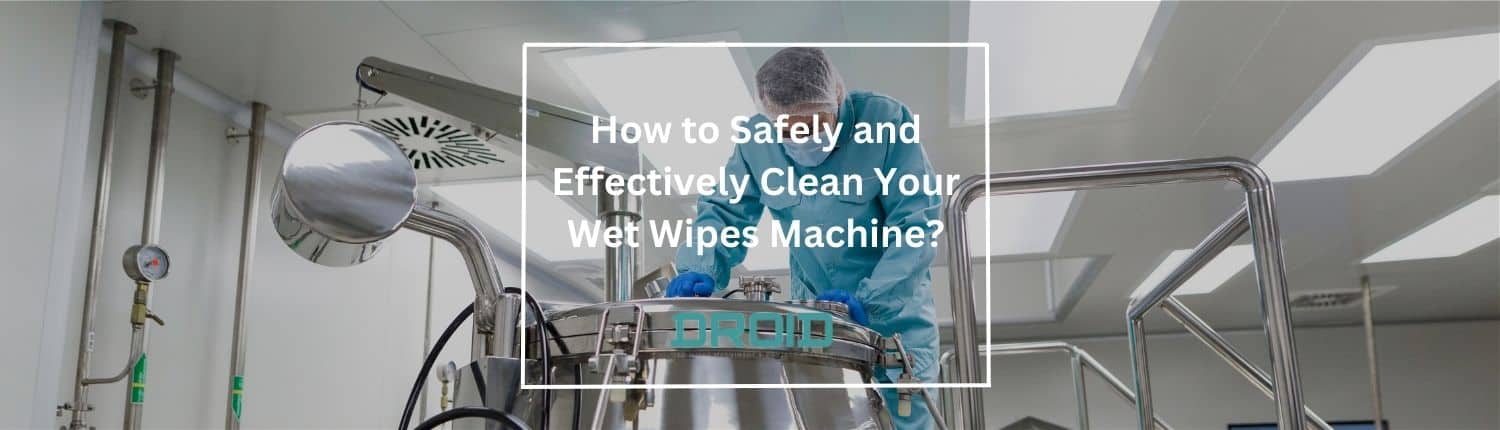
Step 1: Turn Off and Unplug the Machine
Before cleansing any electrical appliance, it is essential to turn it off and disconnect it from the power source. By turning off the machine, you minimise the risk of electrocution or electrical shock during the cleansing procedure.
Find the power button or switch and press it to the “off” position to power down the machine. Some machines may be equipped with a safety mechanism that prevents accidental activation. Ensure the safety mechanism is activated before continuing the cleansing procedure.
To unplug the machine, the power cord must be removed from the electrical receptacle. This step is essential because residual electricity may still be flowing through the machine after it has been turned off, which can be hazardous during cleaning. In addition, disconnecting the machine guarantees that no one will accidentally switch it on when it is being cleaned.
To unplug the machine, carefully remove the power cord from the electrical receptacle. Avoid tugging or dragging the cable with excessive force, as this can cause damage to the cord or the outlet. After the power cord has been removed, the machine can be disassembled and cleaned.
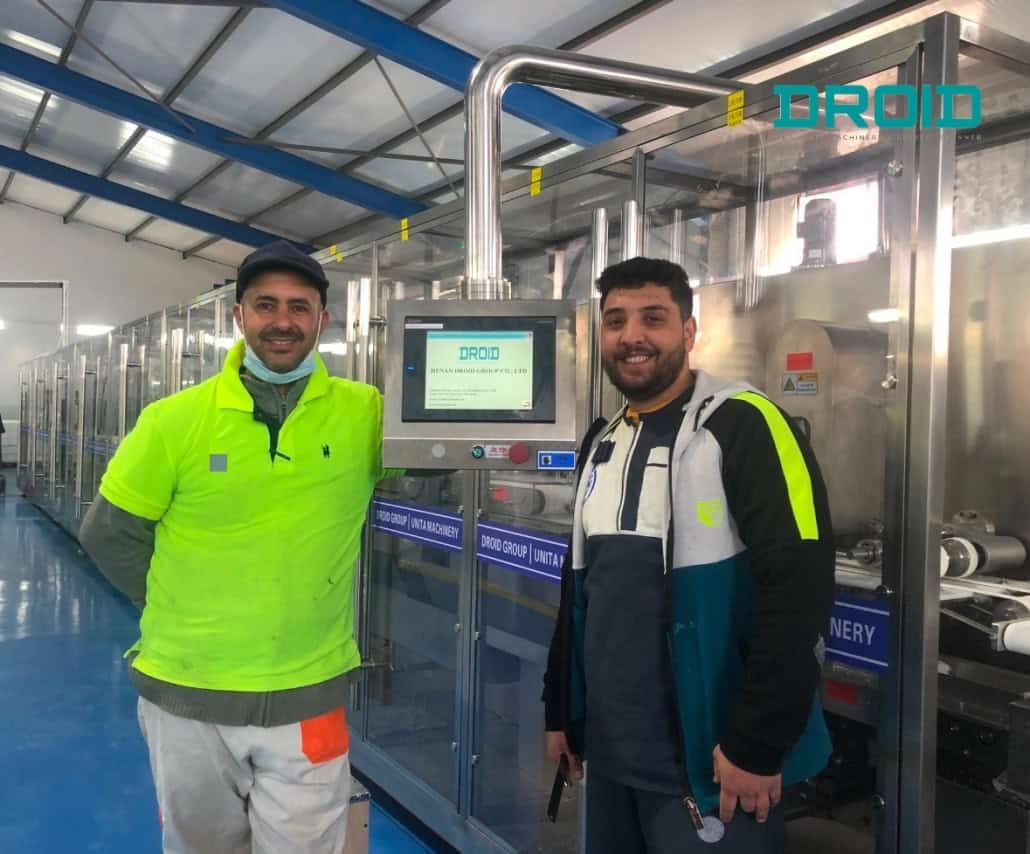
Step 2: Disassemble the Machine
Disassembling the machine means removing the machine’s various elements and components. This stage is essential because it allows you to thoroughly sanitise each component and access every part of the machine that may be difficult to reach once it is assembled.
Depending on the variety of moist wipes machines you have, the disassembly procedure will differ. However, some components, such as the cover, rollers, and blades, might require removal. The following is a comprehensive guide for disassembling a wet wipes machine:
- Remove the cover: Fasteners or clamps typically hold the machine’s cover in place. Using a screwdriver or pliers, remove the fasteners or clamps and carefully remove the machine’s cover.
- Remove the roller: The rollers are the components of the machine that move wet tissues through the machine. They are typically secured with connectors or screws. Remove any connections or screws, then carefully remove the rollers from the machine.
- Remove the blade: The blades are the machine components that cut wet wipes to the intended size. Typically, they are secured in position by screws or clamps. Remove any screws or clamps and carefully remove the blades from the machine.
- Remove any removable parts: Depending on the type of machine, it may be necessary to remove additional components for cleaning. Refer to the user manual for instructions on removing these components.
When disassembling the machine, caution must be taken to avoid using excessive force. This will protect the machine and its components from damage. Additionally, keep track of the various components and elements as you dismantle them to ensure that they are reassembled correctly after cleansing.
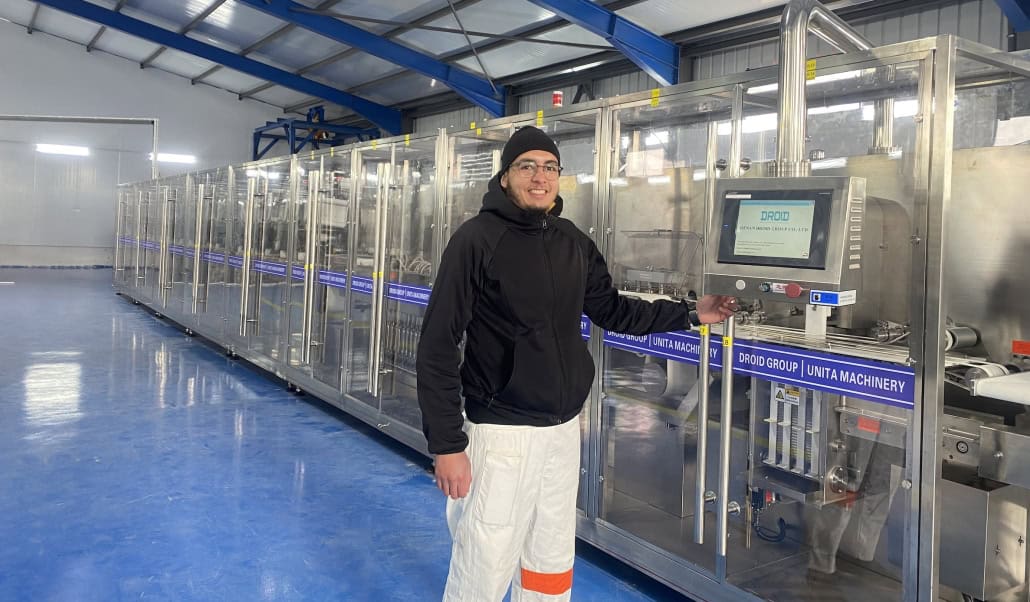
Step 3: Clean with Warm Water and Soap
Warm water and soap are safe and effective methods for removing dirt, detritus, and residue from your wet wipes machine. The following are the methods for cleansing with warm water and soap:
- Prepare a cleaning solution: Mix warm water with a mild detergent or cleanser. Avoid harsh chemicals and abrasive cleaning tools because they can damage the machine and degrade the wipes.
- Dip a soft cloth or brush into the cleaning solution: Apply the solution to each component of the wet wipes machine with a gentle cloth or brush.
- Gently scrub each part of the machine: Scrub each component with a soft circular motion to remove any dirt, detritus, or residue that may have accumulated.
- Rinse each part of the machine with clean water: After cleaning each component, thoroughly rinse it with clean water. Utilise a clean towel or brush to eliminate any soap or detergent residue.
- Dry: Ensure that all moisture is removed from the machine, as excess moisture can cause oxidation or corrosion.
It is essential to keep in mind that water and detergent cannot be used to sanitise all machine components. Electrical components, for instance, should not be exposed to water.
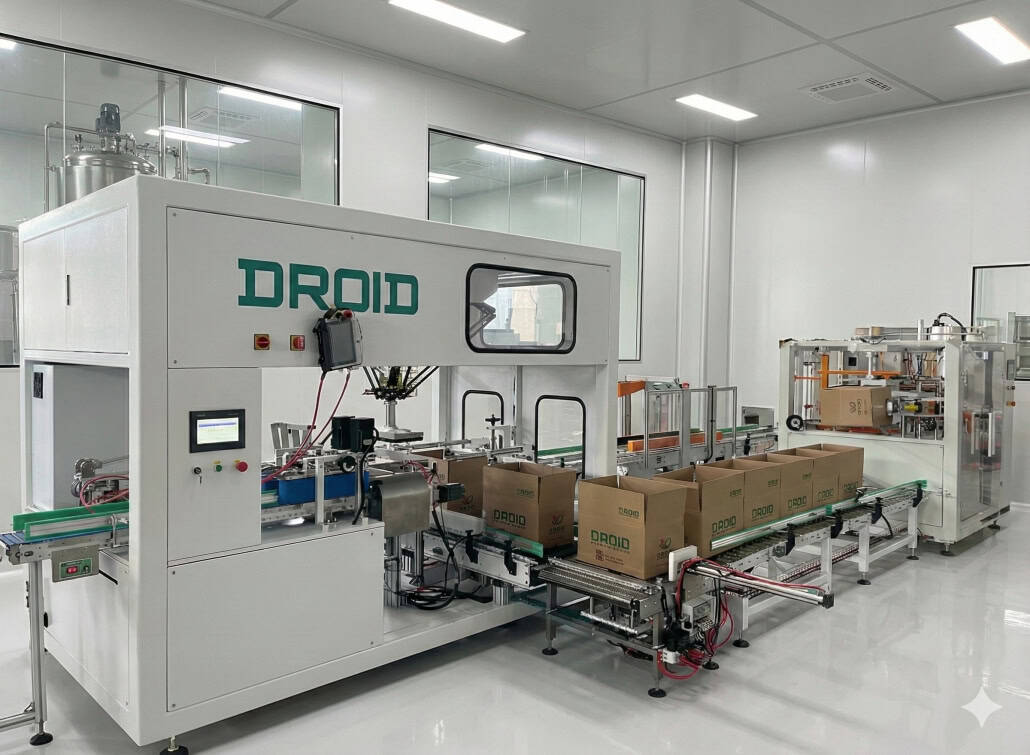
Step 4: Reassemble the Machine
After thoroughly cleaning, rinsing, and drying the machine, it is time to put it back together. Here are the fundamental steps to reassemble your wet wipes machine:
- Refer to the user manual: it includes comprehensive instructions for reassembling the machine and any necessary instruments.
- Reinstall any removed components during cleaning: This includes disassembled filters, brushes, and other components removed during the cleaning procedure.
- Ensure that all parts are correctly aligned and secured: Verify that all components are properly positioned and secured. Ensure that all connectors and sockets are tightened to the suggested pressure standards.
- Perform a test run once the machine has been reassembled to ensure it is operating correctly. Inspect the wet wipes machine by running a small batch of wet wipes through it to ensure that it produces high-quality wipes.
An improperly reassembled machine may reduce the quality of the wet wipes produced or even cause damage to the machine.
Step 5: Sanitize the Machine
Sanitizing the machine is essential to ensuring that it is free of hazardous bacteria and pathogens that could impact the overall quality of the wet wipes produced. Here are the fundamental methods for disinfecting your wet wipes machine:
- Prepare a sanitizing solution: Apply an approved disinfectant solution to the food processing apparatus. Follow the instructions on the product’s label to dilute the solution to the specified concentration with water.
- Apply the sanitising solution to the machine: Use a cloth or a spray container to apply it to all machine components, including those that are difficult to reach.
- Allow the solution to sit for the recommended duration. The product label specifies the recommended duration for the disinfectant solution.
- Rinse the machine thoroughly: After the contact time ends, carefully cleanse the machine with clean water to eliminate any remaining disinfectant solution.
- Dry the machine thoroughly: Use a clean towel or an air dryer. Ensure all moisture is removed from the machine, as excess moisture can promote the growth of germs and bacteria.
It is crucial to keep in mind that different disinfectant solutions may have varying contact times and concentrations, so be sure to follow the instructions on the product label for effective disinfection.
How often should a wet wipes machine be cleaned?
Depending on production volume, wipe composition, and hygiene needs, a wet wipes machine should be thoroughly cleaned once a week or once a month in addition to being cleaned on contact surfaces every day. Wipes with high moisture content or disinfectants need to be cleaned more often.
What parts of a wet wipes machine require the most frequent cleaning?
Rollers, folding plates, cutting blades, conveyor belts, liquid dosing zones, and product contact surfaces are examples of critical regions. These regions are particularly vulnerable to microbial contamination and residue accumulation.
Can water be used to clean a wet wipes machine?
Only non-electrical, non-sensitive components can be cleaned with water. Water should never come into contact with electrical panels, servo motors, sensors, or PLC cabinets; instead, dry or authorized electrical-safe cleaning techniques should be used.
What cleaning agents are safe for wet wipes machines?
Use GMP-compliant or food-grade cleaning products, neutral pH cleansers, and mild detergents. Steer clear of abrasive cleansers, powerful solvents, and corrosive chemicals, as they can damage seals and stainless steel.
Why is sanitizing a wet wipes machine important?
Regular cleaning cannot eliminate germs, mold, and pathogens; sanitizing can. This is crucial for personal hygiene wipes, infant wipes, and disinfection wipes, where product safety and legal compliance are crucial.
Can improper cleaning affect wet wipes product quality?
Indeed. Inadequate cleaning can directly affect product quality and brand reputation by causing contamination, uneven liquid distribution, odor issues, blade damage, and a shortened shelf life.
Should the wet wipes machine be disassembled during cleaning?
Indeed. Access to concealed contact points where residue builds up is made possible by partial disassembly. To prevent damage or misalignment, always disassemble according to the manufacturer’s instructions.
How can operators clean a wet wipes machine safely?
Operators should:
-
Power off and unplug the machine
-
Wear PPE (gloves, eye protection)
-
Follow lockout/tagout procedures
-
Use manufacturer-approved cleaning steps
This minimizes risks of electric shock and mechanical injury.
How do I know if my wet wipes machine is properly cleaned?
A properly cleaned machine shows:
-
No visible residue or odor
-
Smooth mechanical movement
-
Stable production output
-
No abnormal alarms or friction
Some manufacturers also recommend ATP or microbial testing for verification.
Can regular cleaning extend the lifespan of a wet wipes machine?
Of course. Regular cleaning helps the wet wipes machine maintain consistent performance and lowers long-term maintenance costs by reducing corrosion, premature wear, blade dulling, and seal deterioration.
 Izmir, Turkey
  Zhengzhou, China
 Seoul, South Korea
  Delhi, India