
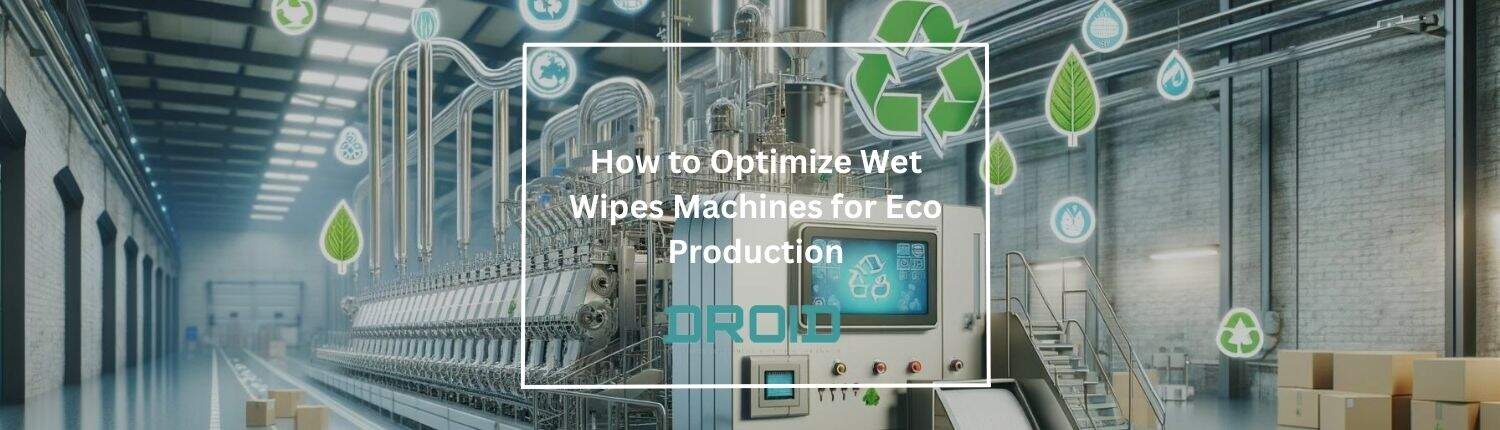
The Growing Demand for Sustainable Wet Wipes
Consumer behavior has seen a notable change in recent years, with a greater emphasis on making ecologically conscious decisions. This shift is motivated by a growing awareness of the ecological consequences of common goods and a deepening commitment to sustainability. Wet wipes, commonly used in households for personal hygiene, baby care, and cleaning, are under scrutiny for their environmental impact. Consequently, demand for environmentally friendly wet wipes has increased significantly, driven by several influential factors.
Ecological Consciousness
Consumers are gaining a better understanding of the environmental concerns associated with conventional wet wipes. These wipes often contain synthetic fibers such as polyester and polypropylene, which degrade slowly in the environment. Once discarded, they can endure for extended periods in landfills or contribute to the contamination of marine ecosystems. The visual and ecological consequences of such trash have led to a demand for alternatives that reduce environmental damage.
Regulatory Pressures
Global governments and regulatory authorities are addressing the environmental challenge by implementing more stringent laws on single-use plastics and non-biodegradable items. An example of this is the Single-Use Plastics Directive implemented by the European Union, which aims to mitigate the environmental impacts of certain plastic items, such as wet wipes. The implementation of these restrictions is compelling firms to innovate and develop sustainable alternatives that comply with the newly established laws and standards.
Consumer Health and Safety
In addition to environmental issues, there is increasing recognition of the potential health hazards posed by synthetic materials and chemical additives in conventional wet wipes. Consumers are increasingly seeking products crafted from natural, non-toxic ingredients that support their skin and overall well-being. Health-conscious shoppers are attracted to biodegradable and compostable wipes, which are often manufactured using plant-based fibers and do not contain toxic chemicals.
Corporate Responsibility and Brand Image
Enterprises are recognizing the importance of sustainability in building and maintaining their brand reputation. Companies that commit to environmentally friendly activities and goods can improve their reputation and attract a dedicated consumer base. Wet wipes manufacturers can demonstrate their dedication to environmental stewardship and social responsibility by offering biodegradable, compostable wipes.
Advancements in Technology and Innovation
Progress in materials science and industrial technologies is enabling the production of wet wipes that are both of superior quality and environmentally friendly. Advancements in processing natural fibers, manufacturing nonwoven fabrics, and developing environmentally friendly packaging are enabling wipes that meet customer demands and ecological criteria. These technical advancements are essential to increasing the production of environmentally friendly wet wipes to keep up with rising demand.
Potential Areas for Business Growth and Development in the Market
The sustainable products market is expanding rapidly, offering substantial growth and differentiation opportunities. Businesses that allocate resources to advancing and promoting ecologically sustainable wet wipes have the opportunity to access a highly profitable market of environmentally aware customers. This transition also creates opportunities for collaboration with other sectors, such as personal care, healthcare, and hospitality, which are increasingly emphasizing sustainability in their activities and offerings.
The growing demand for eco-friendly wet wipes reflects a broader cultural trend towards environmental accountability and personal well-being. The market for biodegradable and compostable wet wipes is expected to grow substantially as consumers, regulators, and businesses increasingly prioritize eco-friendly options. Wet wipes manufacturers can significantly promote sustainability and innovation by understanding and addressing these requirements. This, in turn, will contribute to the betterment of the earth and society as a whole.
Understanding Biodegradable and Compostable Materials
When striving for sustainability, it is crucial to comprehend the distinctions between biodegradable and compostable materials, particularly when creating environmentally friendly items such as wet wipes. Both terms are frequently used interchangeably; however, they pertain to separate procedures and outcomes. This section examines the attributes, advantages, and considerations for using biodegradable and compostable materials.
Biodegradable materials are substances that can be decomposed by microorganisms, including bacteria, fungi, and algae, into natural products such as water, carbon dioxide, and biomass. This process occurs spontaneously and does not require human intervention, though it can be expedited under certain environmental conditions.
Distinctive Attributes:
- Natural Decomposition: Natural decomposition refers to the process by which biodegradable materials break down due to the activity of microorganisms that exist naturally.
- Environmental Impact: The process of decomposition produces benign byproducts, hence mitigating pollution and waste.
- Timeframe: The speed at which a substance breaks down naturally can vary greatly depending on the substance itself and the conditions of the environment. For instance, many types of biodegradable plastics may take several months to decompose, whereas organic substances such as food waste can disintegrate within a few weeks.
Common Biodegradable Materials:
- Plant-Based Fibers: Plant-based fibers, such as cellulose, cotton, and bamboo, are highly biodegradable. They rapidly disintegrate and provide nutrients in the soil.
- Biodegradable Plastics: Biodegradable plastics, such as polylactic acid (PLA) and polyhydroxyalkanoates (PHA), are specifically engineered to decompose more quickly than conventional plastics.
Compostable materials are substances that can be broken down into organic matter through composting. Compostable materials are a specific category of biodegradable materials that decompose into natural components and produce compost, a fertile substance resembling soil that improves soil fertility. Composting necessitates precise conditions, such as the optimal combination of moisture, temperature, and oxygen, which are often attained in industrial composting facilities.
Distinctive Attributes:
- Composting Conditions: Compostable materials require regulated conditions to decompose effectively. Industrial composting facilities provide ideal conditions for rapid decomposition.
- Beneficial Byproduct: Composting yields humus, a nutrient-dense substance that enhances soil fertility, supports plant growth, and improves overall soil health.
- Certification Standards: Compostable materials must meet specific criteria to ensure complete and safe decomposition. ASTM D6400 is the accepted standard for compostability in the United States, while EN 13432 is the recognized norm in Europe.
Typical Compostable Materials:
- Natural Fibers: Natural fibers such as cellulose, bamboo, and cotton share similarities with biodegradable materials in that they can also be composted.
- Compostable Plastics: Compostable plastics, such as PLA, can decompose under specific conditions.
Advantages of Biodegradable and Compostable Materials
- Environmental Sustainability: Environmental sustainability is achieved by using both biodegradable and compostable materials, which help reduce dependence on fossil fuels and minimize the amount of trash disposed of in landfills. They help reduce pollution and promote a circular economy, in which products are intentionally designed for reuse, recycling, or natural decomposition.
- Soil Health: Compostable materials enhance soil health by supplying organic matter, thereby improving soil structure, fertility, and water retention. This promotes sustainable agriculture and minimizes the need for chemical fertilizers.
- Consumer Safety: Natural, biodegradable, and compostable materials are typically free of noxious chemicals and additives commonly found in synthetic products, thereby enhancing their safety for human use and minimizing the risk of exposure to dangerous compounds.
Factors to Take into Account When Utilizing Biodegradable and Compostable Materials
- Decomposition Environment: The efficacy of biodegradation and composting depends on environmental conditions. Biodegradable materials may decompose more slowly in environments with low oxygen levels, such as landfills. Compostable materials require specific conditions that are available only in industrial composting facilities.
- Product Design: The integration of biodegradable and compostable materials into goods such as wet wipes necessitates meticulous evaluation of material characteristics. Natural and synthetic fibers differ in absorbency, strength, and texture, which can affect product performance.
- Verification and Conformity: It is essential to ensure that materials meet established criteria for biodegradability and compostability to uphold product excellence and instill consumer confidence. Certification ensures that the materials will disintegrate safely and efficiently.
Gaining a comprehensive understanding of the distinctions and uses of biodegradable and compostable materials is crucial to developing environmentally friendly products. Wet wipes manufacturers can utilize these materials to produce environmentally friendly wet wipes that meet consumer expectations and comply with regulatory standards, while also promoting a more sustainable globe. Adopting biodegradable and compostable materials is a crucial measure in minimizing the environmental footprint and advancing sustainability in common consumer goods.
Optimizing Wet Wipe Machines for Eco-Friendly Production
The process of shifting towards the production of biodegradable, compostable wet wipes requires careful consideration of both the appropriate materials and the optimization of the machinery used in their manufacture. Current wet wipe production equipment frequently necessitates substantial adaptations to efficiently process environmentally friendly materials. This section examines the essential machine requirements and process improvements needed to enhance the efficiency of wet wipe machines for sustainable manufacturing.
Essential Machine Specifications
- Fiber Compatibility: To handle biodegradable and compostable materials, wet wipes machines need to be able to process natural fibers, which may behave and exhibit characteristics quite different from synthetic fibers. Important factors to consider are:
- Cutting and Folding: When working with natural fibers such as cellulose, cotton, and bamboo, it is important to use specific cutting techniques to achieve accurate, neat cuts without causing the fibers to unravel.
- Layering Techniques: Wet wipes machines need to be modified to accommodate the distinctive layering characteristics of natural fibers, ensuring uniform distribution and consistency in the final result.
- Moisture Management: Biodegradable materials exhibit distinct moisture absorption and retention properties compared to synthetic fibers. Effective moisture management is essential for preserving the integrity and efficacy of the wipes.
- Wetting Process: The wetting process requires machines to have precise control to apply the appropriate amount of liquid accurately. This ensures that the wipes maintain an optimal moisture level, preventing them from being excessively dry or saturated, which could negatively impact their effectiveness and longevity.
- Moisture Retention: To ensure the wipes retain moisture without deteriorating prematurely, modify the wetting solution composition and the timing of its application.
- Sealing and Packaging: Conventional plastic packaging is not appropriate for compostable wipes. Wet wipes machines must adjust to accommodate sustainable packaging alternatives.
-
- Biodegradable Films: Biodegradable films require wet wipes machines specifically designed to handle their unique sealing properties, which may differ from those of standard plastics.
- Compostable Adhesives: Compostable adhesives are crucial to a product’s overall sustainability by ensuring they can be composted and are compatible with biodegradable films.
- Nonwoven Fabric Production: Modifying existing technology is necessary to produce nonwoven fabrics from natural fibers.
- Hydroentangling: a method that uses powerful water jets to interlock fibers. It is necessary to fine-tune this process for natural materials to produce robust and long-lasting fabric while also maintaining their capacity to break down naturally.
- Thermal Bonding: Thermal bonding is a technique used to produce robust, long-lasting fabrics from certain biodegradable materials. It is necessary to calibrate machines to achieve an optimal balance between durability and natural decomposition.
Modifications to the Process
- Procurement of raw materials: An uninterrupted flow of sustainable materials is essential for a dependable supply chain. This involves procuring certified organic cotton, bamboo, or other natural fibers that adhere to environmental criteria.
- Supplier Collaboration: Establishing strong ties with suppliers who consistently deliver high-quality materials is crucial to achieving optimal production efficiency and product quality.
- Verification of Certification: Ensuring that acquired materials are certified for biodegradability and compostability helps meet regulatory mandates and consumer expectations.
- Production Line Modifications: Current production lines may require reconfiguration to accept novel materials and processes.
- Tension Control: Processing natural fibers may necessitate adjusting tension settings to avoid tearing or straining.
- Cutting Mechanisms: Optimizing cutting mechanisms to account for the distinctive characteristics of natural fibers ensures accurate, meticulous cuts, minimizing waste and enhancing the quality of the final product.
- Moisture Application: It is essential to adjust the wetting stations to properly distribute the appropriate amount of liquid onto the wipes, preserving their efficacy and longevity.
- Assurance of Quality: The process of ensuring the quality and integrity of biodegradable wipes involves thorough testing and continuous monitoring throughout production.
- Durability Testing: Performing tests to verify that biodegradable wipes retain their structural integrity and operational effectiveness throughout their specified lifespan.
- Biodegradability Testing: This involves confirming the intended decomposition of the wipes in several environmental settings, including household composting systems and industrial composting facilities.
- Adoption of Sustainable Packaging: The process of shifting towards compostable packaging entails the creation and evaluation of novel materials that meet criteria for durability and storage.
- Material Testing: Verifying that biodegradable films and compostable adhesives meet the required performance criteria for packaging.
- Packaging Design: Creating packaging that is both environmentally friendly and practical, while also visually attractive to customers.
Education and Execution
- Employee Training: It is crucial to provide training to the production workers regarding the new materials and machinery adjustments to ensure a seamless transition.
- Operational Training: Providing operators with instruction on the precise criteria and modifications necessary for managing biodegradable and compostable materials.
- Quality Assurance Training: This involves instructing quality control workers on how to perform thorough testing and monitoring of the new materials and procedures.
- Continuous Improvement: Continuous improvement involves implementing a systematic approach to gradually enhance and optimize the production process.
- Feedback Loops: Creating mechanisms to receive feedback to discover areas for enhancement and promptly execute necessary modifications.
- Technology Upgrades: Keeping up with the most recent technical breakthroughs in sustainable production to guarantee that machinery and processes stay cutting-edge.
Enhancing wet wipe machines for the manufacturing of biodegradable and compostable wipes requires a comprehensive strategy that includes fine-tuning the machinery, altering the production process, and implementing stringent quality control measures. Wet wipes manufacturers can successfully shift to creating environmentally friendly wet wipes that meet the growing market and regulatory requirements for sustainability by focusing on these crucial aspects. Adopting these measures not only helps protect the environment but also positions companies as frontrunners in the sustainable product market, bolstering their reputation and attracting environmentally conscious consumers.

Regulatory Compliance and Certifications
Regulatory compliance and certifications are essential to ensuring that biodegradable and compostable wet wipes meet environmental standards and fulfill customer expectations. These criteria ensure that the materials utilized and the finished products are secure, efficient, and ecologically sustainable. This section examines the primary rules and certifications relevant to the manufacturing of environmentally friendly wet wipes.
The Significance of Regulatory Compliance
Regulatory compliance ensures that products meet precise safety, quality, and environmental criteria. Compliance is crucial for biodegradable and compostable wet wipes due to multiple reasons:
- Environmental Protection: Ensures that products decompose safely without harming the environment.
- Consumer Trust: Instills confidence in consumers who are increasingly seeking certified, environmentally friendly products.
- Market Access: The ability of items to be sold across multiple markets without legal or regulatory obstacles. This is made possible by ensuring compliance with international standards.
- Brand Reputation: Reflects a company’s dedication to sustainability and ethical production processes.
Important Regulatory Standards and Certifications
- The European Norm EN 13432
The scope of EN 13432 is to define the specific criteria that packaging materials must meet to be considered compostable and biodegradable. It establishes the standards for determining which materials are compostable.
- Prerequisites:
- Biodegradability: The ability of materials to decompose into carbon dioxide, water, and biomass within a defined period of time.
- Disintegration: Materials should break down into little particles that are not discernible in the compost.
- Compost Quality: The final compost should be free of excessive levels of heavy metals or other pollutants and conducive to plant growth.
- Ecotoxicity: The compost must be non-toxic to plants and suitable for soil application.
- The US ASTM D6400 Standard
ASTM D6400 is a United States standard that designates plastics and plastic goods as biodegradable in both municipal and industrial composting facilities.
- Prerequisites:
- Biodegradation: The material should break down naturally at a rate similar to that of well-known compostable materials, such as yard clippings and food scraps.
- Disintegration: The process by which material breaks down and becomes unrecognizable in compost within a specific timeframe.
- Safety: The compost produced during biodegradation must be free of harmful substances, thereby ensuring its environmental safety.
- OEKO-TEX Standard 100
The scope of the OEKO-TEX Standard 100 certification is to acknowledge worldwide textiles that have been tested for the presence of hazardous chemicals. This concept applies to every phase of production, ranging from the initial raw materials to the final finished products.
- Prerequisites:
- Chemical Safety: Products must be free of hazardous substances that could endanger consumer health.
- Human Ecology: Ensures the safety of textiles for human use, specifically for products that directly touch the skin, such as wet wipes.
- Certification Process: The certification procedure involves thorough testing and auditing of the production process to verify strict adherence to the standard.
- ISO 14855
The scope of ISO 14855 is to provide an international standard for assessing the complete aerobic biodegradability of plastic materials in controlled composting environments.
- Prerequisites:
- Biodegradability: The quantification of carbon dioxide released during biodegradation allows assessment of the rate at which a substance breaks down naturally.
- Requirements: Testing must be conducted in controlled composting circumstances that accurately replicate industrial composting environments.
- Test Duration: Provides instructions on the optimal test length to ensure a thorough evaluation of biodegradability.
Strategies for Ensuring Compliance in Manufacturing
Choosing the Appropriate Materials:
- Material Selection: Opting for certified biodegradable and compostable products is the initial step toward regulatory compliance. Wet wipes manufacturers must procure materials that comply with applicable standards and provide evidence to substantiate their conformity.
- Product Testing: Consistent testing of both initial components and final products is crucial to guarantee continuous adherence. This encompasses biodegradability testing, disintegration testing, and ecotoxicity assessments.
- Documentation and Certification: Documentation and certification are essential for maintaining comprehensive records of compliance efforts. This encompasses vendor certificates, test results, and documentation of quality control procedures. Acquiring third-party certification from reputable organizations offers an extra level of confidence.
- Continuous Monitoring: Continuous monitoring is necessary since regulatory standards and consumer expectations change over time. Wet wipes manufacturers must keep up to date with changes in rules and industry standards. Regular monitoring and ongoing upgrades to compliance strategies ensure products consistently adhere to current standards.
- Training and Education: It is crucial to provide staff with instruction and knowledge on regulatory standards and compliance procedures. Training programs should cover material handling, production processes, quality control, and documentation methods to ensure that all personnel understand their responsibilities in upholding compliance.
- Collaboration with Experts: Engaging regulatory specialists and certification bodies can help producers navigate the intricacies of compliance. These collaborations can offer useful insights into optimal methods and help resolve any compliance issues that may arise.
Adhering to regulatory requirements and obtaining certifications are essential for the effective manufacturing of biodegradable and compostable wet wipes. Wet wipes manufacturers may guarantee the safety, efficacy, and eco-friendliness of their products by adhering to standards such as EN 13432, ASTM D6400, and OEKO-TEX Standard 100. Implementing resilient compliance strategies not only ensures regulatory compliance but also strengthens consumer confidence and brand recognition, positioning enterprises as frontrunners in the sustainable product market.

Conclusion
What materials are used in biodegradable wet wipes?
Plant-based fibers like cellulose, bamboo, cotton, or viscose are often used to make biodegradable wet wipes. Unlike synthetic fibers such as polyester or polypropylene, these materials naturally decompose through microbial activity. To increase strength without sacrificing environmental friendliness, some wipes also include biodegradable polymers like PLA or PHA.
What is the difference between biodegradable and compostable wet wipes?
While compostable wipes require specific conditions (temperature, moisture, and oxygen) to break down into nutrient-rich compost, biodegradable wipes spontaneously disintegrate over time in a variety of conditions. To ensure safe and thorough decomposition, compostable wipes must meet stringent standards such as EN 13432 or ASTM D6400.
Can existing wet wipes machines produce biodegradable wipes?
Yes, but most computers in use today need optimization. Cutting, tension management, wetting systems, and sealing procedures must be modified since natural fibers respond differently from synthetic materials. Production efficiency and product quality might be jeopardized in the absence of appropriate modifications.
What machine upgrades are needed for eco-friendly wet wipes production?
Key upgrades include:
- Precision tension control for delicate natural fibers
- Optimized cutting and folding systems
- Advanced wetting control for moisture consistency
- Compatibility with biodegradable films and adhesives
- Adjusted sealing temperatures for compostable packaging
These modifications ensure stable production and consistent product quality.
Why is moisture control critical in biodegradable wipes production?
Compared to synthetic fibers, biodegradable materials absorb and hold moisture in distinct ways. Wipes that are too dry, excessively saturated, or prone to early deterioration might result from poor moisture management. Maintaining product performance and shelf life requires precise wetting systems.
What certifications are required for eco-friendly wet wipes?
Common certifications include:
- EN 13432 (EU compostability standard)
- ASTM D6400 (US compostability standard)
- OEKO-TEX Standard 100 (chemical safety for textiles)
- ISO 14855 (biodegradability testing)
These certifications ensure compliance with environmental and safety regulations.
Are biodegradable wet wipes safe for skin?
Indeed. The majority of biodegradable wipes are devoid of harsh chemicals and composed of natural, non-toxic materials. This lessens their influence on the environment and makes them appropriate for delicate skin, newborn care, and medicinal purposes.
What challenges do manufacturers face when switching to eco-friendly wipes?
Key challenges include:
- Material instability and fiber breakage
- Supply chain consistency for certified raw materials
- Machine compatibility with new substrates
- Higher initial production costs
- Meeting strict regulatory requirements
However, these challenges can be overcome with proper machine optimization and supplier alignment.
How does sustainable production impact wet wipes business profitability?
Although initial investment may be higher, eco-friendly production improves long-term profitability by:
- Meeting regulatory requirements
- Accessing premium markets (USA, EU)
- Enhancing brand positioning
- Reducing environmental risks
- Increasing customer loyalty
It’s a strategic move, not just a cost.
How can manufacturers start transitioning to eco-friendly wet wipes production?
Manufacturers should begin with:
- Selecting certified biodegradable materials
- Upgrading or optimizing existing machinery
- Partnering with experienced equipment suppliers
- Implementing quality and compliance testing
- Training operators on new processes
Working with a true manufacturer with engineering expertise ensures a smoother, lower-risk transition.
 Izmir, Turkey
  Zhengzhou, China
 Seoul, South Korea
  Delhi, India