

Factor 1: Production Capacity
When selecting a wet wipes machine, production capacity should be the primary consideration. Determine the number of moist tissues that must be produced per hour, day, and week. This will determine the machine’s required capacity and performance. Some machines can produce thousands of wipes per hour, while others may only produce a few hundred.

Factor 2: Types of Wet Wipes
The next consideration is the type of wet wipes that you need to manufacture for your business. Different varieties of wipes, such as infant wipes, biodegradable wipes, and disinfectant wipes, require specific wet wipes machine. Therefore, it is important that you choose a machine capable of producing the actual form of wet wipes that you require.

Factor 3: Raw Materials
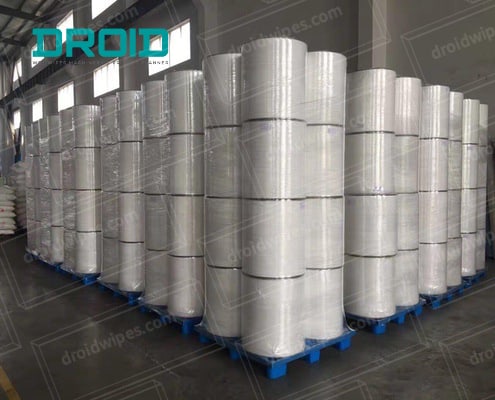
Various machines may require various varieties of wet wipes’ raw materials. Some machines, for instance, may only function with non-woven fabric, whereas others may be able to handle a variety of materials, such as cotton, polyester, or rayon. So, it is critical for you to choose a machine that is compatible with the raw materials you intend to use in production.
Factor 4: Automation Level
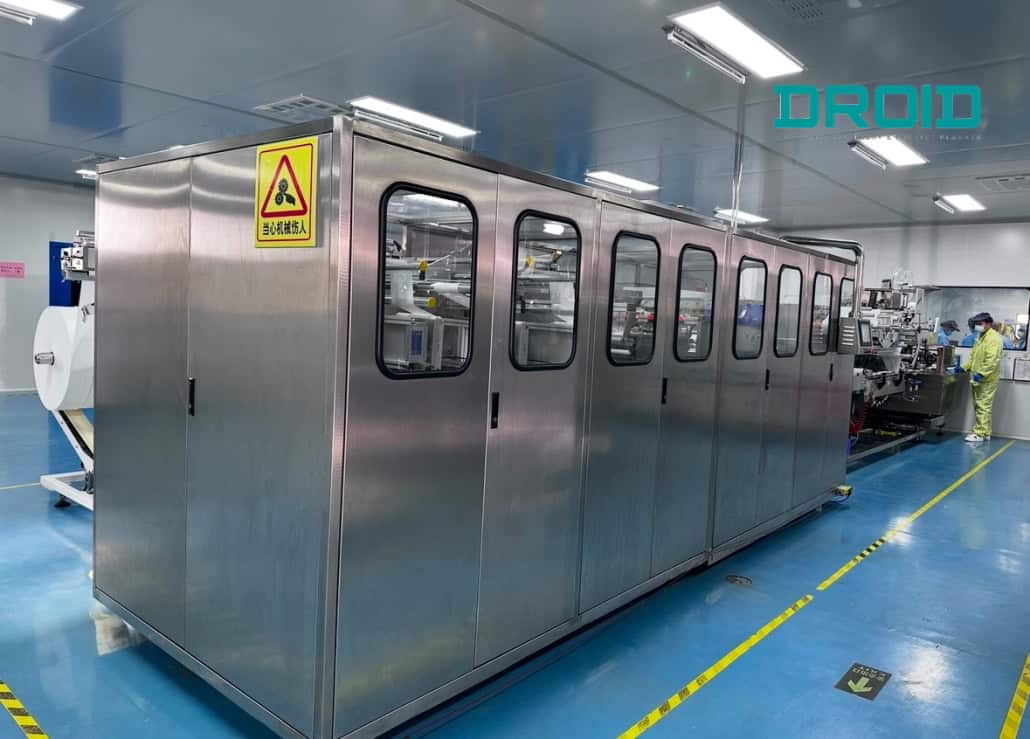
Wet wipes machines can be manually operated or entirely automated. A manual machine necessitates more labor and oversight, whereas a completely automated machine requires minimal human intervention. Consider your personnel levels and available resources when determining the required level of automation.
Factor 5: Quality Control
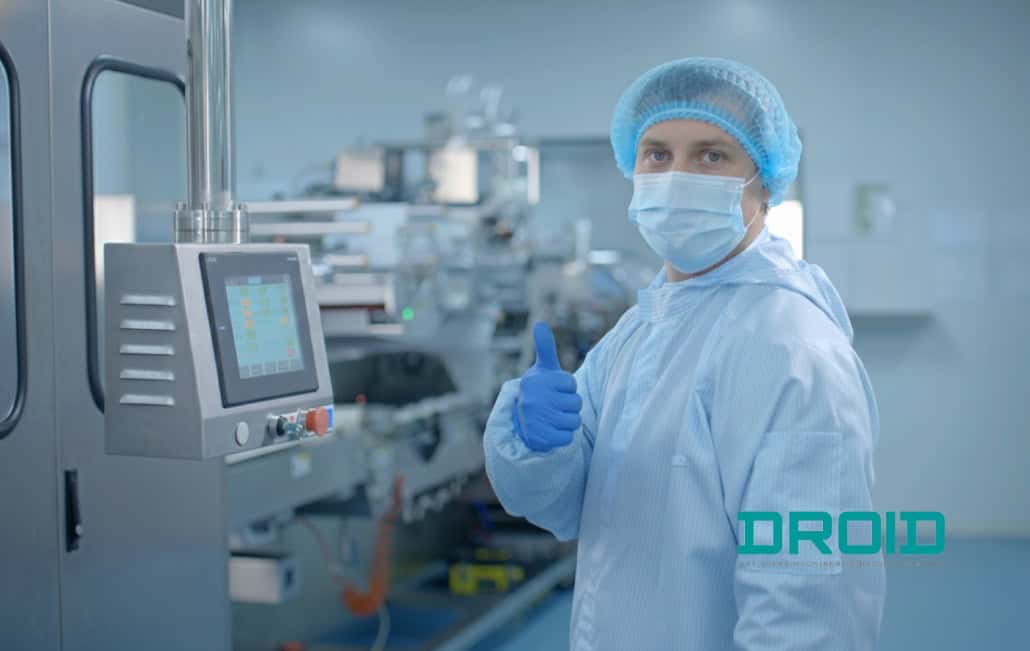
In wet wipes production, quality control is essential, so you’ll want to choose a machine that ensures your wipes meet your quality standards. Consider sensors that can detect defects or contaminants in the wipes and cameras that can investigate the wipes during production.
Factor 6: Maintenance and Support
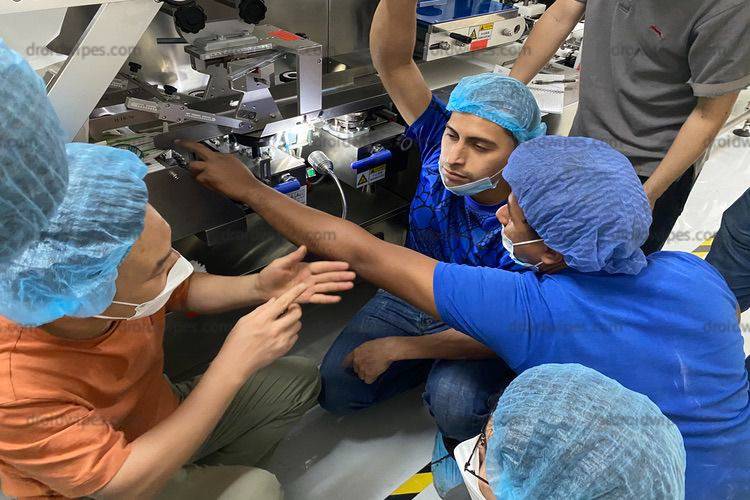
To function properly, wet wipes machines require maintenance and support. Consider purchasing a machine whose manufacturer offers regular maintenance and support services. Consider the availability of spare components, the simplicity of maintenance, and the degree of technical support provided.
Factor 7: Environmental Considerations
You may want to consider the environmental impact of your wet wipes production, as sustainability is becoming a greater concern for businesses. Look for production machines that use eco-friendly materials, reduce waste, or reduce energy consumption.
Factor 8: Cost
Lastly, the cost is an essential factor to consider when selecting a wet wipes machine. The initial cost of the wet wipes machine should be weighed against the potential cost savings and productivity gains it can provide. Consider variables such as the machine’s expected lifespan, the price of raw materials, and the prospective return on investment.
Advice for Choosing the Right Wet Wipes Machine
Here is some advice to help you choose the right wet wipes machine:
Advice 1: Do Your Research
Before investing in a wet wipes machine, it is essential to examine the many types, settings, and performance metrics available on the market. Evaluate technical requirements, production velocity, degree of automation, price, and long-term operational expenses, while also assessing comments from manufacturers with established installation histories. Whenever feasible, engage directly with current users or solicit authentic production references to gain insights into machine reliability, service quality, and actual performance in practical applications.
Advice 2: Consider Your Specific Needs
Each wet wipes company has distinct production specifications, including target output, product category, raw materials, and available manufacturing resources. When selecting a wet wipes machine, prioritize a configuration that directly corresponds to your production objectives, avoiding options that introduce unnecessary complexity without substantial benefit. Appropriately matched equipment enhances efficiency and stability while safeguarding your investment by preventing unnecessary expenses and operational compromises.
Advice 3: Look for Quality and Reliability
Choose a wet wipes machine from a manufacturer renowned for technical excellence, consistent performance, and dependable after-sales service. Machines built with premium components and robust design principles deliver consistent performance, fewer malfunctions, and superior product quality. Ultimately, this dependability results in lower maintenance expenses, less downtime, and a higher return on investment.

Advice 4: Think About Long-Term Costs
When assessing a wet wipes machine, consider not just the initial acquisition cost but also the total cost of ownership during its whole lifecycle. Elements such as energy efficiency, availability of replacement parts, maintenance frequency, and repair simplicity directly influence long-term operational expenses. An optimally designed machine with consistent performance may require a greater initial expenditure but will yield substantially lower operating costs and enhanced profitability in the long run.
Advice 5: Get Support and Training
Select a wet wipes machine manufacturer that offers extensive technical assistance and expert training for your production personnel. Adherence to installation protocols, comprehensive operator training, and prompt after-sales support guarantee the equipment operates effectively and safely from the outset. Robust continuous support not only reduces downtime but also enhances production efficiency and prolongs the machine’s operational lifespan.

What factors should I consider when choosing a wet wipes machine?
You should consider production capacity, wet wipe type, raw materials, automation level, quality control systems, maintenance needs, environmental effect, and total cost of ownership when choosing a wet wipes machine. It’s crucial to select a machine that aligns with your production objectives and future growth plans.
How do I determine the right production capacity for a wet wipes machine?
The appropriate capacity is determined by your market demand and your desired output per hour, day, or week. While big or premium businesses frequently need high-speed wet wipes production lines to maintain efficiency and scalability, startups may require slower equipment.
Can one wet wipes machine produce different types of wet wipes?
Indeed, many contemporary wet wipes machines are designed to produce a variety of wipes, such as baby wipes, biodegradable wipes, disinfection wipes, and cosmetic wipes. However, material compatibility, liquid dosing, folding technique, and machine design all affect flexibility.
What raw materials are compatible with wet wipes machines?
Wet wipes can be used on a variety of textiles, including mixed fabrics, cotton, rayon, polyester, viscose, and spunlace nonwoven. Make sure the equipment is especially designed to handle eco-friendly or biodegradable materials if you intend to generate them.
What level of automation should I choose for my wet wipes production?
Wet wipes with varying degrees of automation include semi-automated and fully automatic models. Fully automated machines are ideal for producing high-quality or large-scale wet wipes because they reduce labor costs, minimize human error, and ensure consistent hygiene.
How is quality control ensured during wet wipes production?
Superior wet wipes machines regulate liquid dosage, cutting precision, folding uniformity, and contamination hazards with sensors, cameras, and monitoring systems. Advanced quality control ensures uniform wiping and adherence to hygienic requirements.
How much does a wet wipes machine cost?
The speed, degree of automation, setup, and technical requirements all affect the cost of a wet wipes machine. While high-performance machines offer superior long-term ROI through increased productivity, decreased waste, and decreased downtime, entry-level machines are less expensive up front.
What maintenance is required for a wet wipes machine?
Cleaning, lubrication, component inspection, and software checks are all part of routine maintenance. Selecting a manufacturer that offers technical assistance, training, and availability of spare parts can greatly reduce maintenance risks and downtime.
Are wet wipes machines suitable for sustainable and eco-friendly production?
Indeed. By minimizing material waste, maximizing liquid use, reducing energy consumption, and processing biodegradable or plastic-free ingredients, many modern wet wipes machines are designed to promote sustainable manufacturing.
How long does it take to see a return on investment (ROI) for a wet wipes machine?
Production volume, labor savings, operational effectiveness, and market demand all affect ROI. Because of their increased productivity, consistent quality, and long-term lower running costs, high-performance wet wipes machines usually pay for themselves more quickly.
 Izmir, Turkey
  Zhengzhou, China
 Seoul, South Korea
  Delhi, India