

Innovative Raw Materials
Plant-Based Fibers
The use of plant-based textiles is one of the most promising strategies for producing sustainable wet wipes. These fibers are significantly superior to conventional synthetic materials derived from petrochemicals, as they are derived from renewable resources. Hemp and banana fibers are among the most notable alternatives.
- Hemp Fibers: Hemp is an environmentally favorable option due to its rapid growth and minimal need for pesticides and water. Hemp fibers are highly absorbent and robust, rendering them an optimal choice for damp towels. The environmental footprint of wet wipe production is reduced through a sustainable supply chain enabled by hemp’s accelerated growth cycle and minimal agricultural impact.
- Banana Fibers: Banana fiber is another innovative material derived from the byproducts of banana cultivation. Banana fibers are biodegradable, durable, and have a delicate texture suitable for use in wet wipes. In addition to contributing to a circular economy, the use of agricultural refuse not only provides a sustainable raw material but also supports waste management.
These plant-based textiles offer dual benefits: they are biodegradable, minimizing environmental impact after use, and their cultivation promotes sustainable agricultural practices.
Algae-Based Materials
The investigation of algae-based materials is a new frontier in sustainable manufacturing. In a variety of aquatic environments, algae can be cultivated without competing with land-based agriculture, and they are one of the fastest-growing organisms on Earth. This renders them an exceptionally sustainable primary material.
- Algae-Based Fibers: These fibers can be harvested and processed into materials that are suitable for wet wipes. The functionality of wet wipes can be improved by the unique properties of algae fibers, including their inherent antimicrobial activity. Furthermore, algae cultivation contributes to mitigating climate change by absorbing CO2 from the atmosphere and aiding carbon sequestration.
Algae-based materials offer a promising alternative to conventional fibers, integrating innovative functional properties with sustainability. Their low environmental impact and rapid growth render them an appealing alternative for environmentally conscious wet wipes manufacturers seeking to differentiate their products in the market and reduce their carbon footprint.
Wet wipes manufacturers can substantially reduce their environmental impact while maintaining product quality and efficacy by incorporating these innovative raw materials. This strategy not only aligns with global sustainability objectives but also addresses the growing consumer demand for environmentally friendly products, thereby positioning wet wipes manufacturers as leaders in sustainable innovation.

Sustainable Production Techniques
Closed-Loop Water Systems
Water plays a crucial role in the production of wet wipes, from the wet wipes manufacturing process to the final product. Implementing closed-loop water systems can significantly reduce water consumption and waste.
- Zero Discharge Systems: These systems recycle and utilize water during the production process, thereby preventing the discharge of any effluent into the environment. Wet wipes manufacturers can reduce their environmental impact, lower operational costs, and minimize water usage by purifying and repurposing wastewater. Sustainable industrial practices are also promoted by zero-discharge systems, which help maintain compliance with stringent environmental regulations.
Energy-Efficient Machinery
A critical factor in the pursuit of sustainable production is the investment in energy-efficient apparatus. Modern wet wipes machines are engineered to optimize output while minimizing energy consumption, rendering them both environmentally favorable and cost-effective.
- Solar-Powered Manufacturing Facilities: The adoption of solar energy can significantly diminish a wet wipes manufacturer’s dependence on fossil fuels. Renewable energy can be harnessed by installing solar panels on the roofs of manufacturing facilities. Numerous governments offer financial incentives and tax exemptions to businesses that adopt solar power, making it an economically viable alternative. In addition to reducing greenhouse gas emissions, solar energy also lowers electricity costs, aligning with global efforts to address climate change.
Advanced Process Optimization
Significant enhancements in sustainability and efficiency can be achieved through the implementation of advanced technologies, such as process optimization.
- Automation and AI: Integrating automation and AI into production lines can improve precision, reduce waste, and streamline operations. Automated systems can monitor and modify processes in real time, thereby minimizing human error and ensuring optimal resource use. AI-driven analytics can forecast maintenance requirements and identify areas for enhancement, thereby preventing disruptions and further conserving energy.
Advanced Process Optimization
The integration of environmentally friendly procedures at every stage of production is a critical component of adopting green manufacturing practices.
- Eco-Friendly Chemicals and Solvents: The environmental impact of damp wipe production can be reduced by using biodegradable, non-toxic chemicals. Eco-friendly solvents improve the safety of both laborers and end-users and reduce pollution.
- Waste Heat Recovery Systems: Utilizing waste heat recovery systems can capture and repurpose the heat produced during the manufacturing process. This harnessed heat can be redirected to other production phases, such as water heating or space heating, thereby enhancing the overall energy efficiency.
Digital Monitoring and Reporting
Wet wipes manufacturers can monitor their environmental impact in real time by implementing digital monitoring systems.
- Smart Sensors and IoT: Continuous monitoring of energy consumption, water use, and emissions is possible through the use of smart sensors and the Internet of Things (IoT). These systems provide data-driven insights that help manufacturers optimize processes and reduce their environmental impact.
- Sustainability Reporting: Wet wipes manufacturers can exhibit their dedication to environmental responsibility by providing transparent reporting on sustainability metrics. The consistent publication of these reports can improve the brand’s reputation and foster trust among regulatory bodies, investors, and consumers.
Wet wipes manufacturers can substantially reduce their environmental impact while maintaining efficiency and cost-effectiveness by implementing these sustainable production techniques. Closed-loop water systems, energy-efficient machinery, advanced process optimization, green manufacturing practices, and digital monitoring all contribute to a more sustainable production process. These practices not only align with global sustainability objectives but also satisfy the growing consumer demand for environmentally friendly products, thereby establishing wet wipes manufacturers as leaders in the green economy.
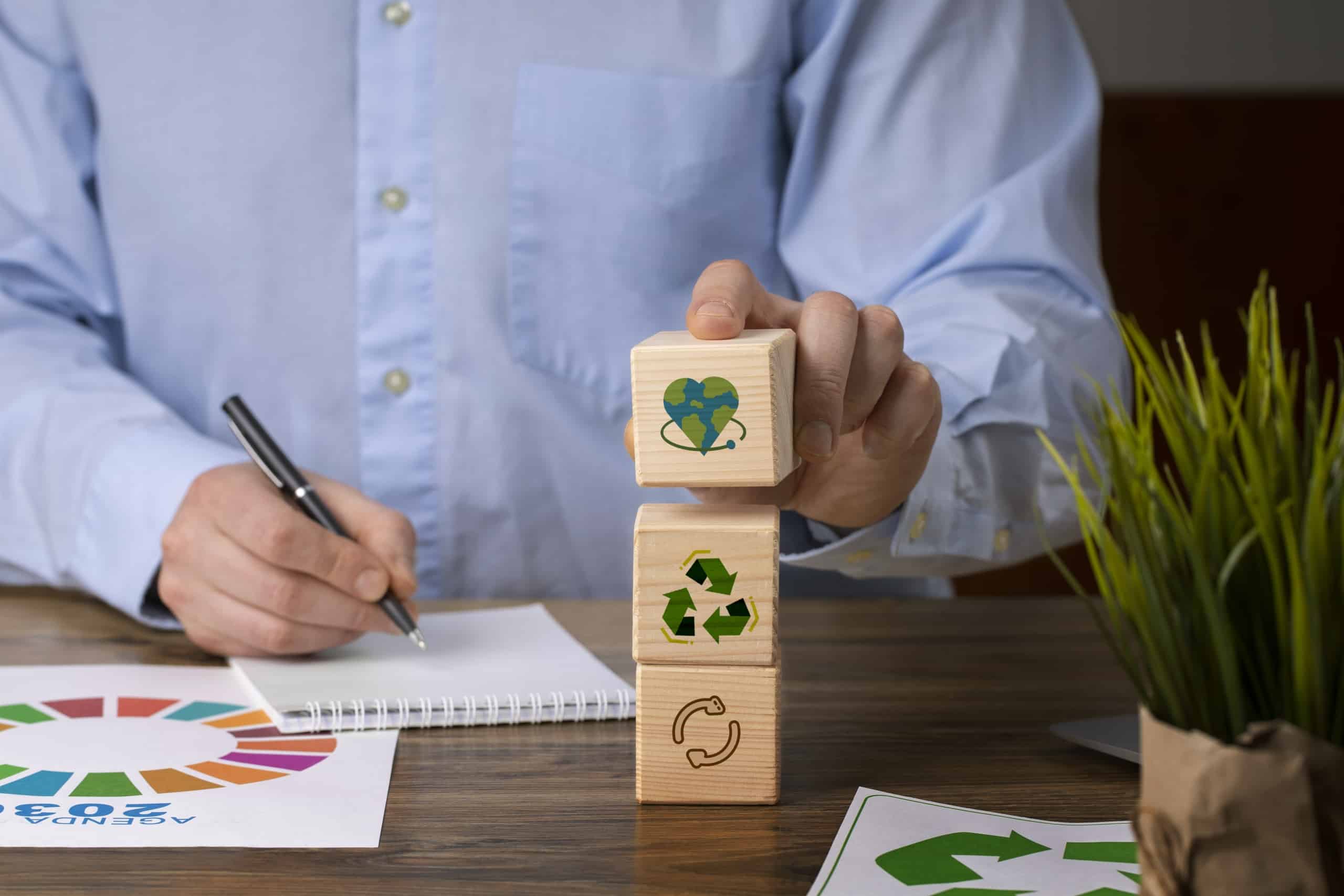
Eco-Friendly Packaging
Compostable Packaging
Compostable packaging materials are an exceptional solution for mitigating the environmental impact of damp tissues. Compostable materials, in contrast to conventional plastic packaging, decompose into non-toxic components that enrich soil rather than remaining in landfills for centuries.
- Polylactic Acid (PLA): Renewable resources, such as cornstarch or sugarcane, are the origins of polylactic acid (PLA). It is comparable to conventional plastics in terms of transparency and durability; however, it decomposes within a few months under industrial decomposition conditions. The agricultural economy is supported, and fossil fuel dependence is reduced by utilizing PLA for wet wipes packaging.
- Cellulose-Based Films: Another compostable alternative, cellulose-based films are composed of plant fibers. They are biodegradable and serve as a moisture-resistant, durable, and transparent barrier suitable for wet wipes packaging. These films decompose naturally, leaving no detrimental residues, thereby promoting a circular lifecycle.
Water-Soluble Packaging
Water-soluble packaging is a highly sustainable and innovative alternative for damp tissues. These materials are fully dissolved in water, leaving no trace.
- Polyvinyl Alcohol (PVA): Polyvinyl Alcohol (PVA) is a water-soluble polymer that can be employed to produce sachets and films for the packaging of damp tissues. PVA decomposes into innocuous residues upon dissolution, thereby substantially decreasing packaging waste. This packaging form is especially beneficial for single-use applications that require rapid dissolution.
Recycled Packaging Materials
The use of recycled materials for packaging contributes to closing the material lifecycle, thereby mitigating waste and reducing the need for virgin resources.
- Post-Consumer Recycled (PCR) Plastics: The demand for new plastic production is reduced by incorporating PCR plastics into wet wipes packaging. PCR plastics are produced by processing and reusing items that consumers recycle, such as bottles and containers. This method not only reduces the carbon footprint associated with the production of new plastics but also diverts plastic waste from landfills.
- Recycled Paper and Cardboard: The utilization of recycled paper and cardboard in outer packaging or secondary packaging can be highly effective. These materials are a sustainable choice due to their availability and recyclability. Furthermore, they can be printed with environmentally friendly pigments to improve their environmental credentials further.
Minimalist Packaging Design
Minimalist packaging design principles can substantially diminish Material consumption and waste.
- Reduced Material Consumption: Wet wipes manufacturers can reduce their production costs and environmental impact by developing packaging that employs fewer materials. By optimizing the packaging dimensions to suit the product, superfluous layers or components can be precisely eliminated.
- Lightweight Packaging: Using lightweight packaging can reduce the amount of material needed, as well as the costs and emissions associated with transportation. The development of robust, lightweight packaging solutions that provide the required protection without adding unnecessary mass is facilitated by advancements in materials science.
Refillable Packaging Systems
The implementation of refillable packaging systems has the potential to reduce single-use packaging pollution significantly.
- Reusable Containers: Consumers can purchase a durable, reusable container that can be replenished with wet wipes from bulk packaging or refill packs. This system promotes the reuse of the same container, thereby substantially reducing the amount of packaging waste produced.
- Refill Packs: Traditional inflexible packaging consumes more material than lightweight, malleable refill packs. They can be sold in bulk, enabling consumers to replenish their reusable containers multiple times and thereby reducing waste.
Consumer Engagement and Education
It is imperative to inform consumers about the advantages of eco-friendly packaging and its proper disposal to optimize its environmental impact.
- Clear Labeling: Wet wipes packaging should contain explicit information regarding its eco-friendly properties and disposal instructions. Labels indicating whether packaging is compostable, recyclable, or water-soluble help consumers make informed decisions and ensure proper disposal.
- Interactive QR Codes: Integrating QR codes on wet wipe packaging can direct consumers to online resources that provide information about the sustainability efforts behind the packaging, offer guidance on proper disposal, and highlight the environmental benefits of choosing eco-friendly methods.
Sustainable wet wipe production requires environmentally friendly packaging. Wet wipes manufacturers can substantially reduce their environmental impact by adopting minimalist, refillable packaging designs and compostable, water-soluble, and recycled materials. The impact of these innovative packaging solutions is further enhanced by educating consumers on their benefits and appropriate disposal. Wet wipes manufacturers are positioned as leaders in the transition to a more sustainable future, as these efforts not only align with global sustainability objectives but also meet the growing consumer demand for environmentally responsible products.

Efficient Supply Chain Management
Wet wipes manufacturers must balance environmental impact and cost by implementing effective supply chain management. Companies can enhance sustainability, reduce waste, and lower costs by optimizing the supply chain.
Local Sourcing
Locally sourced raw materials can significantly influence environmental sustainability and cost.
- Reduced Transportation Emissions: Local procurement reduces transportation emissions by reducing the distance that materials must travel. This not only decreases the carbon footprint but also lowers transportation expenses.
- Local Economic Support: The regional economy is bolstered, and stronger community relationships are established by purchasing from local suppliers. It may also lead to more stable supply chains, as local suppliers are less affected by global disruptions.
- Fresher Materials: The quality of the final product can be enhanced by using fresher materials sourced locally. For instance, locally sourced plant-based fibers may exhibit superior properties compared to those transported over long distances.
Just-in-Time Manufacturing
Inventory costs and waste are diminished by employing a just-in-time (JIT) manufacturing process.
- Inventory Reduction: Wet wipes manufacturers can reduce inventory by producing products only as needed. This reduces the risk of unsold products becoming obsolete and reduces storage costs.
- Waste Minimization: JIT manufacturing ensures materials are used effectively, thereby minimizing excess waste. This method also helps preserve high quality, as materials are less likely to degrade over time.
- Flexibility and Responsiveness: JIT manufacturing enables organizations to be more adaptable to fluctuations in consumer demand. This adaptability has the potential to lead to less superfluous production and greater consumer satisfaction.
Sustainable Transportation
Sustainability can be further improved by optimizing transportation within the supply chain.
- Eco-Friendly Vehicles: Greenhouse gas emissions can be mitigated by investing in electric or hybrid vehicles for transportation. Additionally, certain organizations are investigating the utilization of hydrogen-powered vehicles or biofuels as components of their logistics strategies.
- Efficient Route Planning: Optimization of delivery routes can be achieved through advanced route-planning software, thereby reducing fuel consumption and emissions. Efficient route planning also helps reduce delivery times and costs.
- Collaborative Logistics: Vehicle utilization can be enhanced by establishing partnerships with other organizations to pool transportation resources. This partnership has the potential to decrease the number of journeys necessary and the environmental impact by ensuring that vehicles are filled.
Lean Supply Chain Principles
Implementing lean principles in the supply chain can improve sustainability and optimize operations.
- Value Stream Mapping: This method entails examining the flow of information and materials through the supply chain to identify and eliminate waste. Companies can enhance efficiency and minimize superfluous procedures by emphasizing value-added activities.
- Continuous Enhancement: Processes are continuously enhanced in lean supply chain management through regular assessment and refinement. This continuous endeavor helps preserve efficiency and adapt to new sustainability challenges and opportunities.
- Supplier Partnerships: Establishing robust relationships with suppliers can lead to more sustainable practices and improved collaboration. Suppliers may be motivated to implement environmentally favorable practices and enhance supply chain sustainability through long-term partnerships.
Technology Integration and Digitalization
Efficiency and sustainability can be achieved by incorporating advanced technologies into supply chain management.
- Internet of Things (IoT): IoT devices can monitor a variety of supply chain parameters in real time, including shipment locations, temperature, and humidity. This information aids in optimizing logistics, reducing spoilage, and enhancing overall efficiency.
- Artificial Intelligence (AI): AI can analyze immense quantities of data to optimize inventory levels, predict demand, and expedite production schedules. AI-driven insights contribute to reducing waste, lowering costs, and improving sustainability.
Supplier Audits and Certifications
Suppliers can demonstrate compliance with sustainability standards by conducting routine audits and obtaining certifications.
- Sustainability Audits: Suppliers’ compliance with environmental and social standards can be confirmed through routine audits. These audits are instrumental in identifying areas for improvement and ensuring suppliers adhere to sustainable practices.
- Certifications: Demonstrating a dedication to sustainability can be achieved by obtaining certifications for raw materials, such as ISO 14001 (Environmental Management Systems) or FSC (Forest Stewardship Council). These certifications offer consumers and stakeholders confidence in the company’s sustainable practices.
To achieve sustainability while maintaining cost-effectiveness, wet wipes manufacturers must implement effective supply chain management. Wet wipes manufacturers can optimize their supply chains to reduce environmental impact and improve efficiency by concentrating on sustainable transportation, lean principles, digitalization, supplier audits, and local procurement. These strategies not only align with global sustainability objectives but also address the growing consumer demand for environmentally favorable products, thereby establishing wet wipes manufacturers as market leaders.

Waste Reduction Initiatives
Wet wipes manufacturers must implement effective waste reduction initiatives to maintain a balance between cost efficiency and environmental sustainability. Wet wipes manufacturers can substantially reduce their environmental impact, lower costs, and improve operational efficiency by implementing strategies that minimize waste at every stage of the production process.
Repurposing Production Waste
Manufacturers can investigate upcycling to convert waste materials into valuable products rather than disposing of production refuse.
- Fabric Scraps and Offcuts: The fabric fragments and offcuts produced during wet wipe production can be repurposed into a variety of products, including cleaning linens, insulation materials, and new wet wipes. This method not only reduces waste but also generates new revenue streams.
- Chemical Recovery: Solvents and adhesives, which are chemical components of the production process, are frequently recoverable and reusable. By implementing chemical recovery systems, the need for new chemicals is reduced, and hazardous residues are minimized.
- Energy Generation: Anaerobic digestion and gasification are two processes that can convert organic waste materials into energy. These techniques generate biogas, which can be used to generate electricity or heat, thereby reducing dependence on fossil fuels.
Lean Manufacturing
Streamlining production processes, eliminating waste, and improving efficiency are all facilitated by the implementation of lean manufacturing principles.
- Kaizen (Continuous Improvement): Kaizen is a continuous process that involves ongoing efforts to improve processes and minimize waste. Employees at all levels can identify inefficiencies and propose enhancements that reduce waste by promoting a culture of continuous improvement.
- 5S Methodology: The 5S methodology (Sort, Set in order, Shine, Standardize, Sustain) organizes the workplace to enhance efficiency and minimize waste. Wet wipes manufacturers can enhance workflow and reduce material waste by maintaining a clean and organized production environment.
- Value Stream Mapping (VSM): Value Stream Mapping (VSM) is a lean instrument that facilitates the visualization and analysis of the flow of information and materials throughout the production process. Wet wipes manufacturers can enhance overall efficiency and reduce waste by identifying and eliminating non-value-added activities.
Designing Packaging for Sustainability
A critical component of waste reduction initiatives is reducing packaging waste.
- Right-Sizing Packaging: Utilizing less material and reducing waste are achieved by designing packaging that is precisely sized to the product. Additionally, the environmental impact of transportation is diminished, and cargo costs are reduced through right-sizing.
- Eco-Friendly Materials: Using packaging materials that are biodegradable, recyclable, or compostable helps reduce waste and promote a circular economy. The environmental impact can be substantially reduced by packaging made from biodegradable plastics, recycled paper, and cardboard.
- Reusable Packaging: The use of reusable packaging systems, such as refillable containers, reduces the need for single-use packaging. Consumers can purchase moist tissues in bulk and refill their containers, reducing packaging waste and encouraging sustainability.
Efficient Inventory Management
Overproduction and waste are mitigated through effective inventory management.
- Just-in-Time (JIT) Inventory: JIT inventory systems ensure that materials are procured and manufactured only as needed. This method reduces storage costs, minimizes superfluous inventory, and prevents materials from becoming obsolete or expiring.
- Demand Forecasting: Wet wipes manufacturers can more accurately predict customer demand by leveraging advanced analytics and AI. This mitigates the risk of overproduction and waste by enabling wet wipes manufacturers to align production with market demand.
- First-In, First-Out (FIFO) inventory management: Implementing FIFO ensures older materials are used first, reducing the risk of obsolescence or expiration. This approach contributes to preserving inventory freshness and reducing waste.
Recycling and Waste Segregation
It is imperative to implement appropriate waste segregation and recycling practices to mitigate landfill waste.
- Segregation of Waste: The process of segregating waste at the source guarantees that recyclable materials are not contaminated and can be processed efficiently. Proper segregation is facilitated by clear labeling and designated receptacles for various categories of waste, such as plastics, paper, and organic waste.
- Recycling Programs: Proper processing of recyclable materials is ensured through comprehensive recycling programs within the manufacturing facility. The efficacy of these programs can be improved by collaborating with recycling companies, which guarantees the responsible recycling of materials.
- Waste Audits: Regular audits are conducted to identify waste-generating areas and provide insights into potential enhancements. Waste audits can inform waste reduction strategies and monitor progress over time.
Consumer Engagement and Education
The impact of waste reduction initiatives can be enhanced by educating consumers about appropriate disposal and waste-reduction practices.
- Clear Disposal Instructions: Consumers are more likely to make environmentally favorable decisions when provided with clear instructions on how to dispose of wet wipes and their packaging responsibly. Essential labels indicate whether a product requires special disposal, is recyclable, or is compostable.
- Sustainability Campaigns: By involving consumers in sustainability initiatives, it is possible to increase awareness of the importance of waste reduction. Activities such as educational seminars, recycling campaigns, and community clean-ups can cultivate a culture of sustainability.
- Incentive Programs: By providing incentives for consumers to return used packaging or partake in recycling programs, responsible disposal can be promoted. For instance, manufacturers may provide incentives or discounts to customers who return empty containers for replenishment.
Wet wipes manufacturers must prioritize waste-reduction initiatives to balance environmental impact and cost. Wet wipes manufacturers can considerably reduce their environmental impact and enhance operational efficiency by implementing upcycling, lean manufacturing, sustainable packaging, efficient inventory management, refuse segregation, and consumer engagement strategies. These initiatives not only align with global sustainability objectives but also satisfy the growing consumer demand for environmentally friendly products, thereby establishing wet wipes manufacturers as pioneers in the transition to a more sustainable future.

Consumer Education and Engagement
A sustainable strategy for wet wipes manufacturers depends on effective consumer education and engagement. Wet wipes manufacturers can cultivate a culture of environmental responsibility, increase brand loyalty, and effect positive change by engaging and informing consumers about sustainability initiatives.
Transparent Labeling
Consumers are better equipped to make informed decisions and comprehend the environmental consequences of their purchases when wet wipes and their packaging are clearly and transparently labeled.
- Eco-Friendly Certifications: Consumers can be assured that the products meet high environmental and social standards by exhibiting certifications such as FSC (Forest Stewardship Council) or ECOCERT. These labels foster eco-conscious purchasing decisions and establish credibility.
- Biodegradability Information: Consumers are better informed about the responsible disposal of moist tissues and their packaging when labels indicate their biodegradability. Providing information on compostability or recyclability encourages proper disposal of materials and mitigates environmental damage.
- Usage and Disposal Instructions: Providing explicit instructions on the proper use and disposal of wet wipes can prevent unlawful disposal, such as emptying wipes down the commode, which can result in environmental and infrastructure issues. Consumer behavior can be influenced by emphasizing the environmental advantages of proper disposal and including disposal methods.
Interactive Packaging
The use of interactive packaging components, such as QR codes, can captivate consumers and provide them with additional information about the product’s sustainability initiatives.
- QR Codes for Traceability: QR codes on packaging can link to web pages that track the product’s journey from raw material sourcing to production. This transparency fosters consumer confidence and demonstrates the organization’s dedication to sustainability.
- Educational Content: QR codes can also direct consumers to educational content that explains the environmental impact of damp wipes, the significance of sustainable practices, and ways to reduce waste. Articles, videos, or infographics may constitute this content.
Initiatives for Community Engagement
The brand’s image can be improved, and a sense of collective responsibility towards sustainability can be fostered through active community engagement.
- Environmental Campaigns: The company’s dedication to environmental stewardship is demonstrated through its participation in environmental campaigns, including seashore clean-ups, tree planting, and recycling initiatives. These activities not only benefit the environment but also generate opportunities for positive media coverage and community engagement.
- Educational Workshops: Conducting workshops or seminars on sustainable practices and appropriate waste disposal can promote eco-friendly behaviors and educate consumers. These endeavors can be significantly enhanced by collaborating with environmental organizations, community centers, or schools.
- Social Media Engagement: By utilizing social media platforms to disseminate sustainability initiatives, educational content, and success stories, an expanded audience can be reached, and consumers can be engaged in meaningful ways. A community of environmentally conscious individuals can be established by encouraging consumers to share their own eco-friendly practices and use branded hashtags.
Incentive Programs
Incentives can encourage consumers to engage in sustainability initiatives and make environmentally conscious decisions.
- Recycling and Return Programs: Implementing programs that allow consumers to return used packaging or empty containers for recycling or replenishment can reduce waste and foster a circular economy. This can be achieved by offering incentives, such as discounts, loyalty points, or rewards, to encourage consumer participation in these programs.
- Eco-Friendly Product Discounts: By providing discounts or promotions on eco-friendly products, consumers may be more inclined to select sustainable alternatives. The adoption of these products can be further encouraged by highlighting their environmental benefits in marketing materials.
- Sustainability Challenges: Consumer engagement and a sense of community can be fostered by organizing sustainability challenges, such as reducing plastic use, minimizing waste, or implementing zero-waste practices. Rewards or recognition for participants can serve as an incentive to increase their engagement and motivation.
Customer Feedback and Collaboration
Wet wipes manufacturers can enhance their sustainability initiatives and better understand consumer preferences by fostering collaboration and customer feedback.
- Surveys and Feedback Forms: Conducting surveys or feedback forms regularly to gather consumer opinions on product preferences and sustainability practices can yield valuable insights. This feedback has the potential to inform product development and marketing strategy implementation.
- Consumer Panels and Focus Groups: Establishing consumer panels or focus groups specifically designed to address sustainability can enable direct communication with environmentally conscious consumers. These organizations can offer comprehensive feedback, evaluate new products, and propose enhancements.
- Influencers and Advocates Collaboration: The message can be amplified and a broader audience reached by partnering with environmental influencers or advocates aligned with the brand’s sustainability values. These partnerships may involve co-hosting events, developing content, or endorsing products.
Driving the success of sustainable initiatives in the wet wipes industry requires consumer education and engagement. Wet wipes manufacturers can cultivate a culture of environmental responsibility and sustainability by implementing transparent labeling, interactive packaging, community engagement, incentive programs, and collaborative efforts. In addition to fostering consumer trust and brand loyalty, these strategies also aid in the pursuit of global sustainability objectives. Wet wipes manufacturers can pave the way for a more sustainable future by providing consumers with the knowledge and opportunities to engage in eco-friendly practices.

Conclusion
What are sustainable practices in wet wipes manufacturing?
Using biodegradable materials, reducing energy and water use, and implementing environmentally friendly packaging are all examples of sustainable practices in the production of wet wipes. To reduce their environmental impact and maintain cost-effective operations, manufacturers also maximize production efficiency and eliminate waste.
How can wet wipes manufacturers reduce cost while going green?
Wet wipes manufacturers use automation, reduce waste from raw materials, and increase machine efficiency to save costs while turning green. Water recycling and energy-efficient machinery are examples of sustainable systems that reduce long-term operating costs and increase overall production profitability.
What are the best eco-friendly materials for wet wipes?
Bamboo, organic cotton, hemp, banana fiber, and algae-based fibers are the most environmentally friendly materials for wet wipes. Compared to synthetic fibers like polyester and polypropylene, these materials are renewable, biodegradable, and less harmful to the environment.
Are biodegradable wet wipes more expensive to produce?
Although the initial cost of materials for biodegradable wet wipes may be higher, this is often offset by increased productivity, reduced waste, and premium product positioning. Sustainable manufacturing can raise profit margins and reduce the total cost of ownership over time.
How does machine efficiency impact sustainability in wet wipes production?
By reducing downtime, energy consumption, and material waste, machine efficiency directly influences sustainability. By efficiently using resources, high-performance wet wipes machines guarantee consistent output, reduce the cost per wipe, and enhance environmental performance.
What role does packaging play in sustainable wet wipes production?
Packaging is important because it reduces plastic waste and its negative environmental impacts. Compostable films, recycled plastics, and refill packs are examples of sustainable choices that reduce material consumption, enhance recyclability, and satisfy customer demand for environmentally friendly goods.
How can automation improve sustainability in wet wipes manufacturing?
By boosting accuracy, lowering human error, and cutting waste, automation enhances sustainability. AI-driven technologies help firms increase productivity and reduce operating costs by optimizing manufacturing processes, reducing energy usage, and forecasting maintenance requirements.
What is the impact of water usage in wet wipes production?
When making wet wipes, water use is crucial, particularly for processing and solution preparation. Installing closed-loop or zero-discharge systems guarantees adherence to environmental laws while cutting expenses and water use.
How does sustainable sourcing affect wet wipes production costs?
By reducing transportation costs, enhancing supply chain dependability, and limiting environmental impact, sustainable sourcing lowers prices. Additionally, local procurement reduces carbon emissions, improves material quality, and speeds delivery.
Why is sustainability important for wet wipes manufacturers?
Sustainability is crucial because it enables producers to comply with regulations, reduce costs, and attract environmentally conscious customers. Additionally, it ensures long-term competitiveness in a market where environmental responsibility is increasingly important.
 Izmir, Turkey
  Zhengzhou, China
 Seoul, South Korea
  Delhi, India