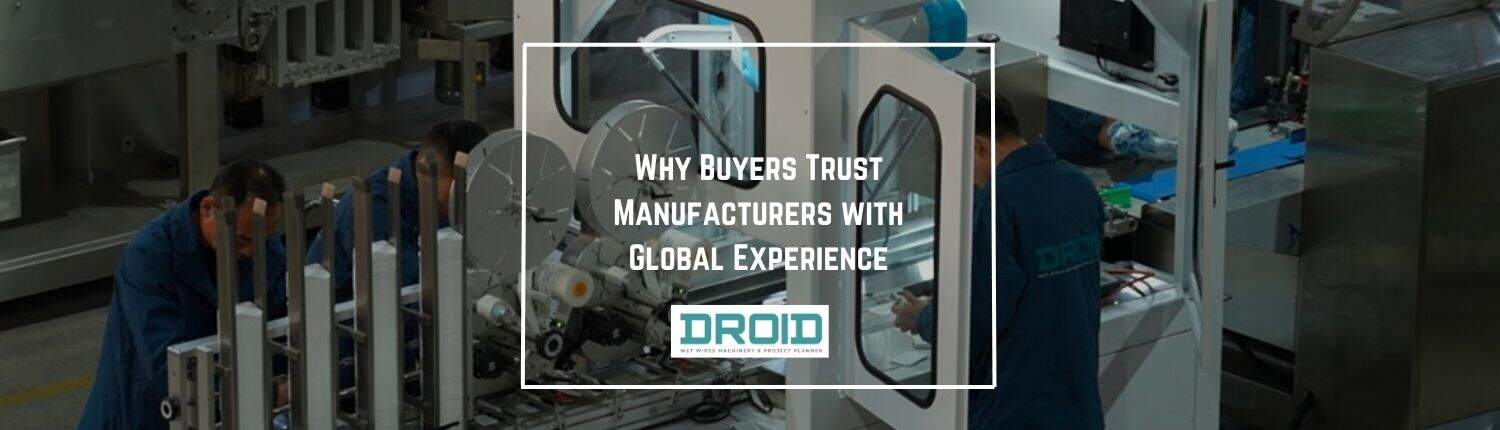
• Why Buyers Trust Manufacturers with Global Experience - Why Buyers Trust Manufacturers with Global Experience

Why Buyers Trust Manufacturers with Global Experience

A Strategic Guide for International Industrial Buyers

In the current competitive industrial environment, customers are seeking more than just a supplier. Stability, engineering depth, preparedness for compliance, and long-term cooperation are what they desire. This is particularly true for capital equipment businesses such as automated manufacturing lines, packaging systems, and wet wipes equipment.

One of the most reliable indicators of confidence in industrial procurement is now global experience. But why is it so important?

This article examines how global experience directly affects project performance, risk management, and long-term ROI, and why consumers consistently have greater confidence in firms with demonstrated international exposure.

Global Experience Means Proven Adaptability

Global expertise demonstrates operational flexibility and goes beyond a physical footprint. Manufacturers serving multiple foreign markets must adapt to diverse electrical standards, safety certifications, regulatory frameworks, and paperwork requirements. A machine made for one home market could work well locally, but it takes more engineering acumen to sell to Europe, North America, Australia, or the Middle East. There are differences in risk evaluations, labeling languages, guarding standards, CE safety logic, and voltage settings. Global exposure teaches manufacturers to create systems that are easily configurable without sacrificing performance, stability, or structural integrity.

Adaptability also applies to manufacturing settings and materials. Nonwoven substrates, packaging films, lid types, carton requirements, and chemical formulas differ by area. Web tension control, liquid dosage uniformity, and static management are all impacted by climate factors, such as humidity levels in Southeast Asia or dry conditions in Australia. Because their devices have already operated across a variety of settings, manufacturers that operate worldwide are aware of these subtleties. They proactively incorporate flexibility into mechanical tolerances, dosing calibration ranges, and servo synchronization rather than responding to problems during commissioning.

The organization’s adaptability is equally crucial. Time zone coordination, bilingual technical documentation, remote FAT sessions, and cross-border logistical planning are all part of international projects. Manufacturers with global market expertise provide standardized testing procedures, well-defined project milestones, and organized communication systems. This operational maturity reduces buyer uncertainty. In this perspective, adaptability is a manufactured response developed via repeated exposure to a variety of global needs, not improvisation. International purchasers equate global experience with lower risk and more trust in long-term performance because of this track record of effective adaptation.

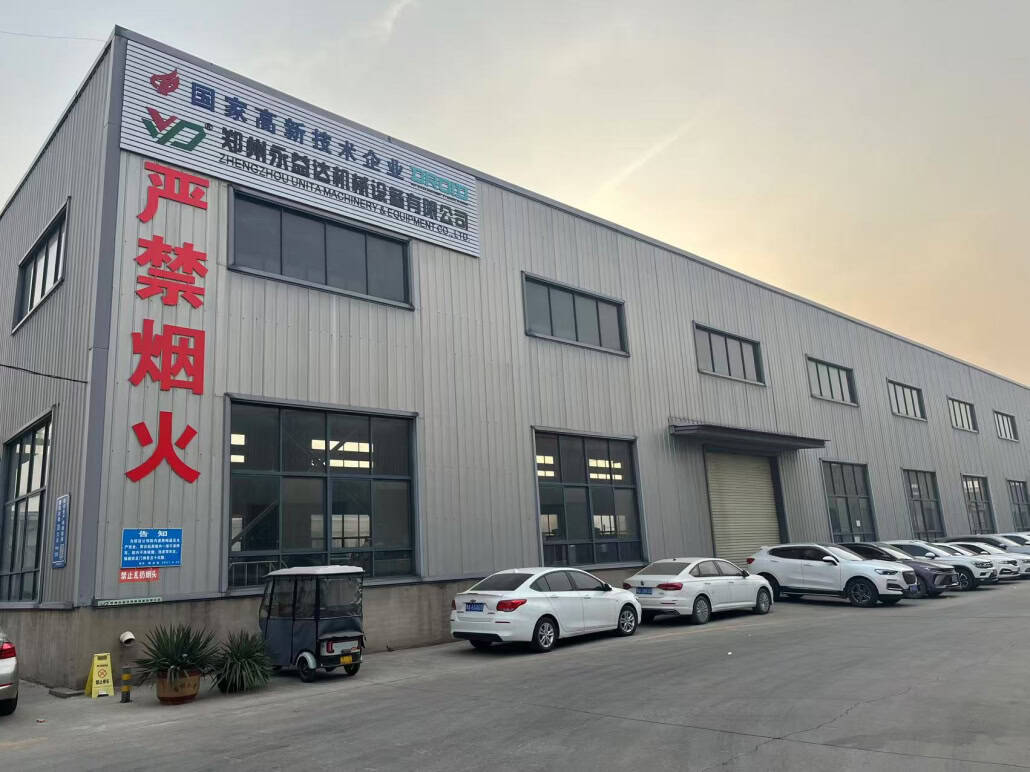
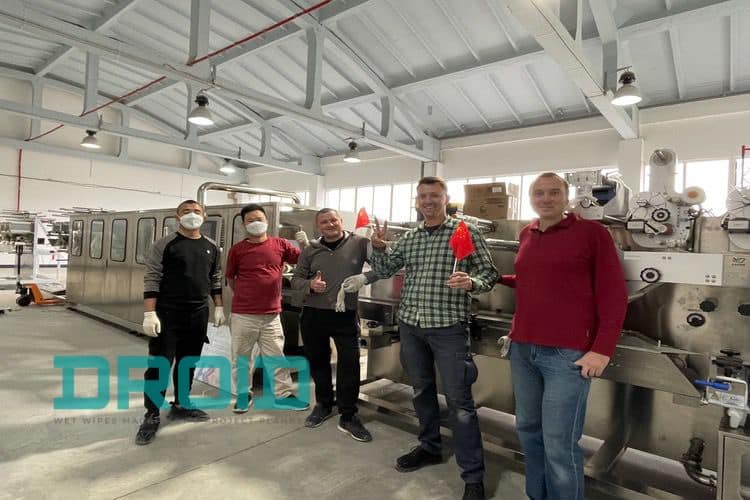
Wet Wipes Factory 1030x772 - Why Buyers Trust Manufacturers with Global Experience
Compliance Is Designed In, Not Added Later

Compliance is a fundamental design element for multinational firms, not just a last item on a checklist. Standards including CE, electrical safety laws, functional safety certification, and documented risk assessments are required by international markets. Safety circuits, guarding logic, emergency stop architecture, and labeling systems are incorporated into the machine’s structural and control design from the very beginning, when compliance is embedded during the engineering process. This strategy ensures that safety, performance, and regulatory preparedness develop in tandem rather than in opposition.

Manufacturers without global exposure, on the other hand, frequently view compliance as a reactive procedure. Following the machine’s mechanical completion, modifications are performed to “fit” certification standards. This may result in hurried documentation, compromised layouts, insufficient risk assessments, or costly redesigns. Late-stage electrical panel modifications or safety logic retrofits raise costs and postpone commissioning. More significantly, purchasers who rely on seamless inspections and prompt production launch are left in the dark.

The quality of the paperwork also increases when compliance is planned from the start. Component choices satisfy accepted certifications, electrical drawings adhere to international standards, and testing procedures are well-organized for FAT and on-site validation. Buyers gain from quicker integration into their own quality management systems, fewer corrective actions, and predictable timescales. Engineer maturity is demonstrated by designed-in conformity, which shows that the manufacturer is aware of global standards and constructs equipment that is prepared for inspection abroad well in advance of delivery.

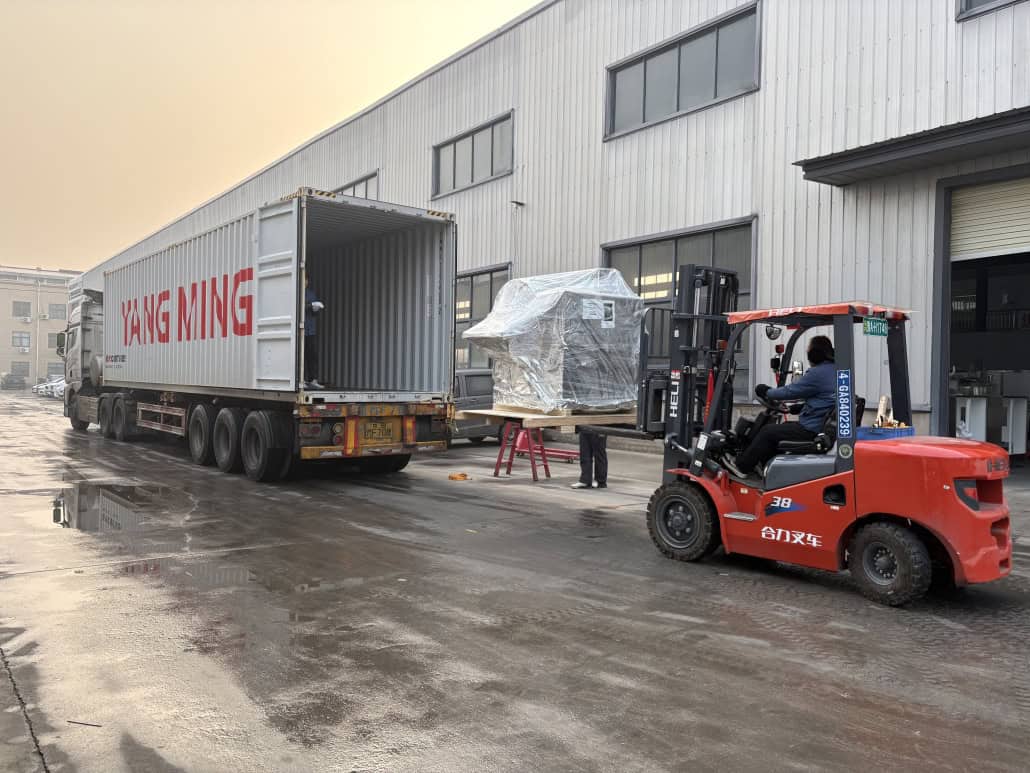
regulatory compliance - Why Buyers Trust Manufacturers with Global Experience

Structured Project Management Reduces Risk

In multinational industrial initiatives, misalignment is more likely to cause risk than a single technical problem. Commissioning timescales can be swiftly disrupted by inadequate paperwork, poorly organized FAT schedules, missing spare components, confusing requirements, or delayed drawings. These hazards are addressed by structured project management before they become apparent. Manufacturers with international expertise establish workflows that include engineering confirmation, layout approval, procurement milestones, assembly sequencing, testing processes, logistics coordination, and installation planning. Every step includes quantifiable benchmarks, documentation, and accountability.

Additionally, an organized system lessens reliance on a single person. Tasks are distributed across specialist teams rather than depending on a salesman to manage quotes, technical explanations, scheduling, and after-sales coordination. Technical specifications are verified by engineering. Production keeps an eye on build quality. The quality control department manages FAT preparedness and inspections. Logistics is responsible for export paperwork and container planning. Installation instructions and lists of replacement components are prepared in advance by the after-sales staff. Even if staff members shift over the course of the project, this cross-functional collaboration keeps lines of communication open and guarantees continuity.

Structured execution means certainty to purchasers. Uncertainty is decreased by precise deadlines, specified testing procedures, open reporting, and established escalation mechanisms. It is possible to set up remote FAT sessions effectively. Before being shipped, spare parts can be checked. Internationally compliant wiring diagrams and comprehensive documentation are provided to commissioning teams. Both sides function inside a regulated framework rather than responding to unexpected events. Structured project management is a risk-reduction technique that safeguards operational success in capital equipment expenditures when downtime is expensive, and launch delays affect revenue.

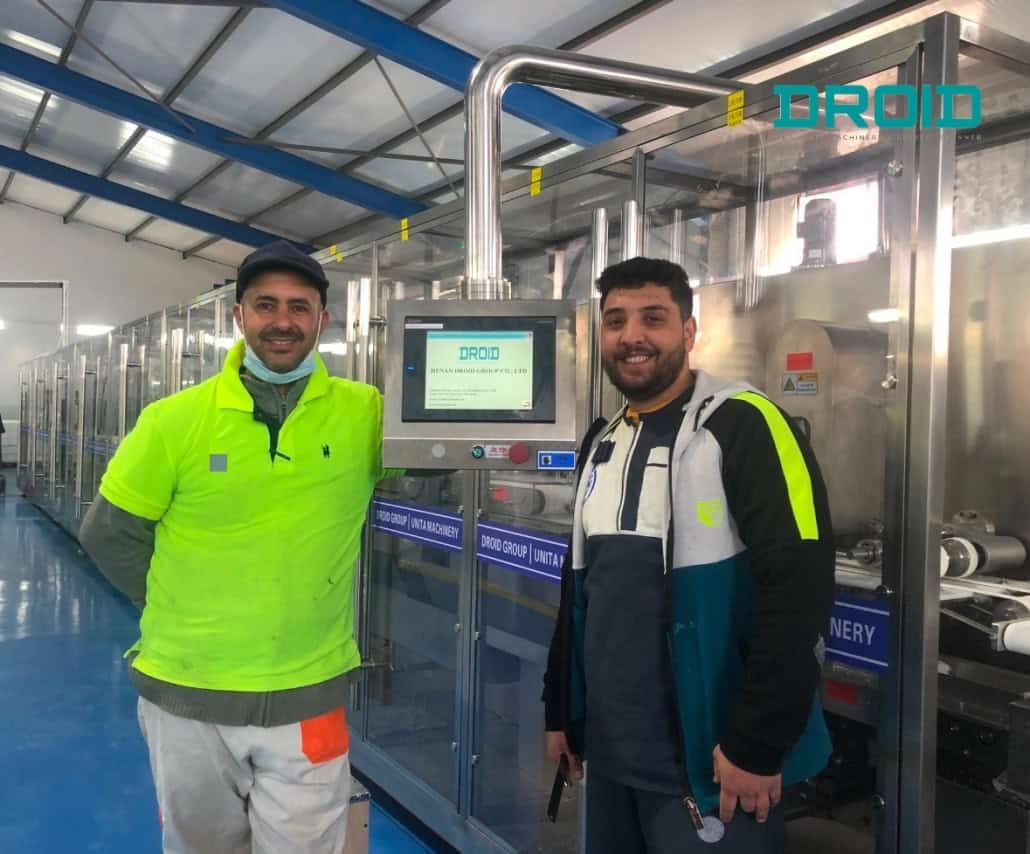
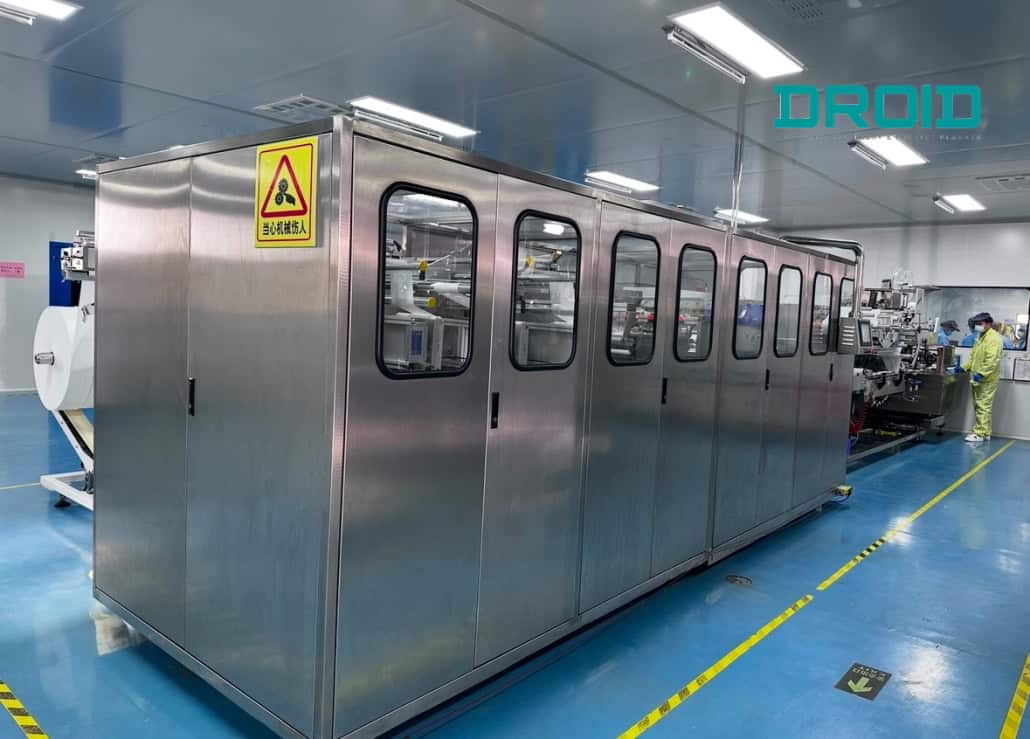
wet wipes machine manufacturer DROID 1 1030x773 - Why Buyers Trust Manufacturers with Global Experience

Engineering Depth Over Trading Mentality

Engineering ownership and trading attitude diverge fundamentally in capital equipment businesses. A genuine manufacturer invests in long-term system optimization, motion-control architecture, machining accuracy, and design competence. A trading business, on the other hand, usually concentrates on purchasing completed equipment from outside vendors and mainly competes on price. Although both can export machines, only one is responsible for the system’s technological core. Manufacturers with actual engineering depth are routinely preferred by buyers who are aware of long-term operational risk.

Engineering depth indicates that the business understands the rationale behind the selection of each component, not just the brand it uses. Electrical safety architecture, tension control systems, frame stiffness, dosage precision, and servo synchronization logic are all interrelated technical choices that cannot be replaced. Tolerance adjustments, mechanical structure refinements, control algorithm optimization, and root-cause performance bottlenecks can all be addressed by manufacturers with in-house design and production capabilities. They created the system to detect and fix issues that arise during commissioning or production scaling.

In contrast, a trading mindset frequently lacks this technical ownership. Troubleshooting slows and becomes more reliant on outside manufacturers when control over structural design, control programming, and manufacturing processes is lost. There is little room for customization. Long-term improvements might be challenging. The lowest initial quote rarely captures the full cost of performance volatility, as buyers are increasingly realizing. Transparency, accountability, and assurance that the machine’s operation is deliberate rather than assembled are all enabled by engineering depth. Buyers trust manufacturers that develop systems rather than just reselling them in industrial ventures where profitability is determined by consistency.

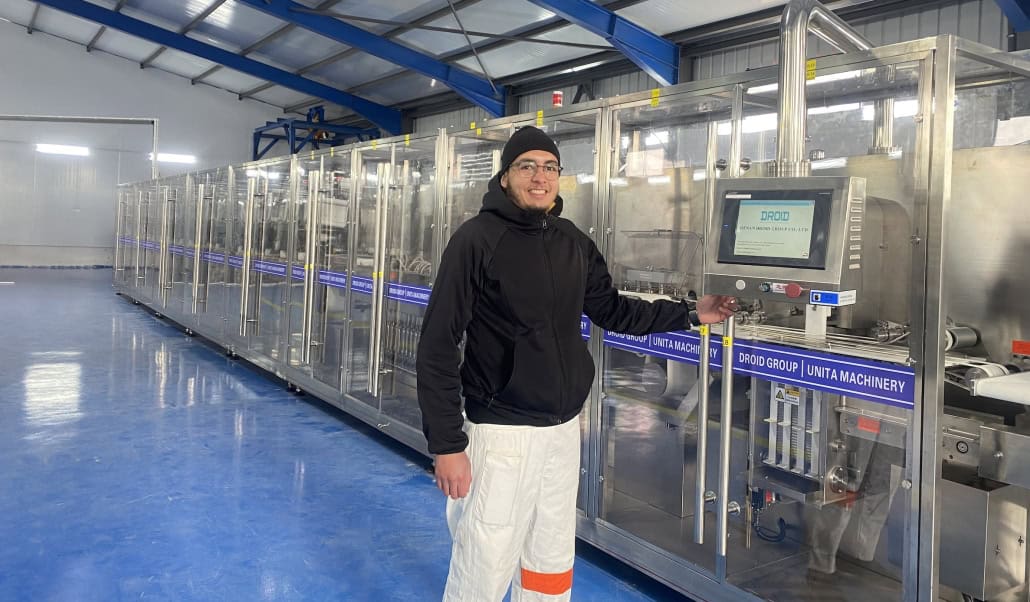
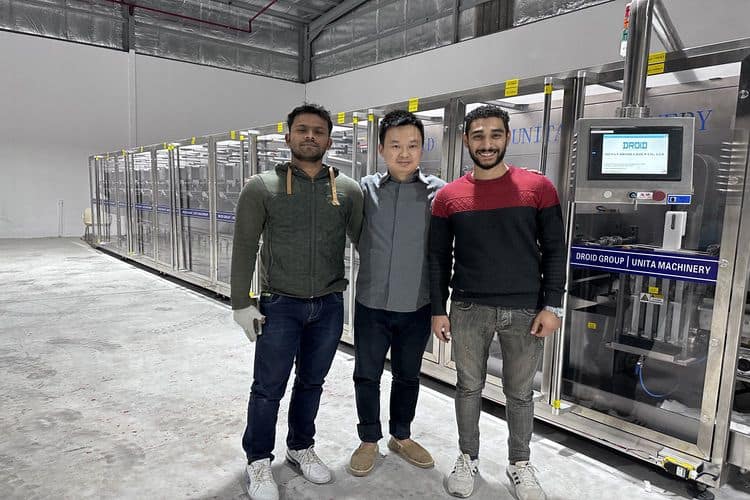
wet wipes machine manufacturer DROID 9 1030x854 - Why Buyers Trust Manufacturers with Global Experience

Lifecycle Support Matters More Than Initial Price

The purchase price is just the start of capital equipment spending. The machine’s performance over the following ten to fifteen years is what really determines profitability. Several factors, including maintenance complexity, upgrade compatibility, technical response time, downtime, and spare part availability, influence the actual cost of ownership. Buyers who focus solely on the price up front sometimes don’t realize how quickly profits can be eroded by production halts or irregular support. Proficient industrial purchasers are aware that long-term return on investment is determined by lifetime support rather than the quote amount.

System documentation and parts traceability are the first steps towards providing strong lifetime support. Problems can be swiftly resolved thanks to standardized component coding, organized spare parts lists, clear electrical diagrams, and remote diagnostic capabilities. Production interruptions are reduced when manufacturers have well-organized spare parts inventories and offer technical support at the engineering level. Software support, upgrade paths, and preventive maintenance advice ensure the system remains competitive as market demands change. This methodical approach safeguards production stability and lowers uncertainty.

On the other hand, vendors who compete mainly on price sometimes lack a long-term service infrastructure. Technical assistance may be reactive rather than systematic, spare parts may be hard to get, and documentation may be lacking. These gaps raise operating risk and maintenance expenses over time. Consumers are becoming more aware that long-term savings are not nearly as valuable as consistent manufacturing, dependable service, and upgrade readiness. Lifecycle support is a sign of dedication; it shows that the manufacturer wants to be a long-term partner rather than finish a transaction.

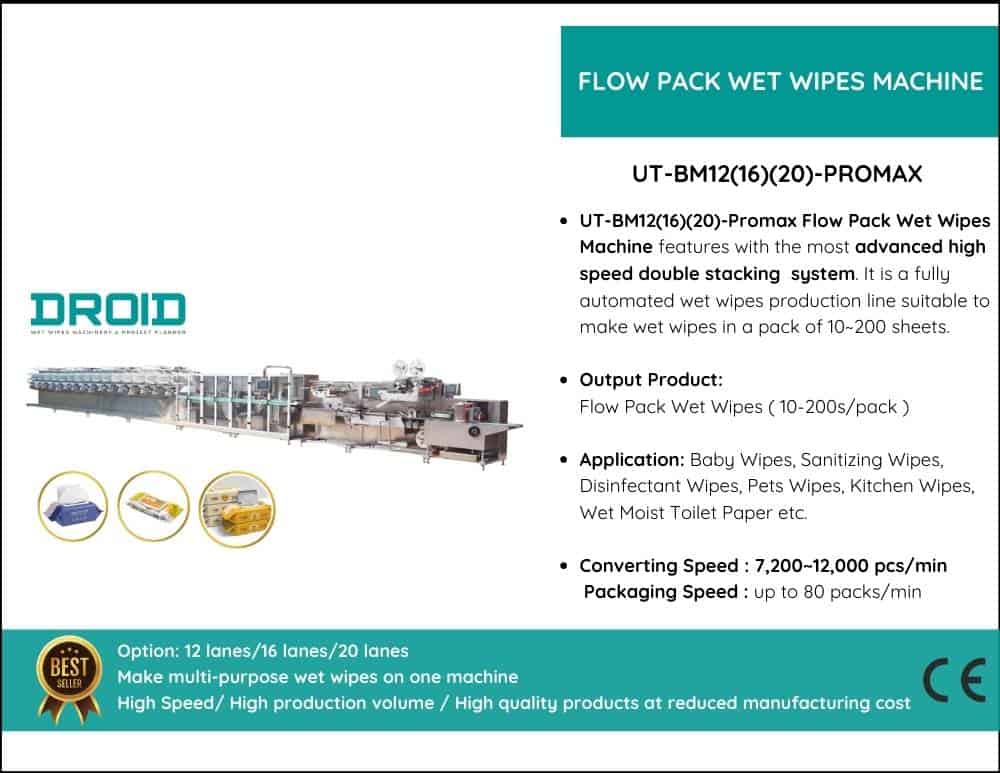
wet wipes machine manufacturer DROID 2 1 1030x651 - Why Buyers Trust Manufacturers with Global Experience

Global Experience Reflects Operational Stability

Sustained worldwide action is seldom coincidental. A manufacturer has attained operational discipline, financial stability, and repeatable quality standards if exports are consistent across several areas. Repeat purchases are rarely taken lightly by foreign purchasers, particularly for capital equipment. A company’s ability to sustain long-term partnerships in Europe, North America, Australia, Latin America, or the Middle East indicates that its systems have been validated in real-world conditions across a variety of situations. In this way, global experience turns into quantifiable evidence of dependability.

Internal structure also reflects operational stability. Manufacturers need to maintain regulated FAT protocols, documented quality control procedures, planned production, and expert export logistics coordination to service global markets. Consistent administration is necessary for customs paperwork, shipment schedules, currency changes, and compliance evaluations. Because inconsistency can quickly lead to delays or disagreements, businesses that successfully operate internationally create sophisticated internal procedures. The workflow is stable and does not rely on improvisation.

Most significantly, reputational accountability is reflected in global experience. Underperformance swiftly spreads through professional networks in international markets. Manufacturers who keep growing overseas demonstrate that their equipment works as promised and that their post-purchase support meets expectations. Recurring foreign orders are business endorsements rather than marketing promises. Global experience reassures customers evaluating long-term industrial partners that the manufacturer operates consistently, is financially robust, and executes with organization—qualities critical for any high-value equipment purchase.

wet wipes machine manufacturer DROID 2 1030x602 - Why Buyers Trust Manufacturers with Global Experience

Communication and Cultural Intelligence

Technical proficiency is insufficient in global industrial initiatives. Whether a project moves forward smoothly or encounters problems is often determined by clarity of communication and cultural intelligence. Timelines must be coordinated across time zones, specifications must be verified, and expectations must be clearly recorded. Manufacturers with global experience understand that professional communication is a structured discipline, not casual correspondence. Misunderstandings that might otherwise lead to costly delays are avoided by using clear meeting minutes, revision-controlled drawings, milestone confirmations, and recorded change approvals.

Collaboration is further strengthened by cultural knowledge. Negotiation, hierarchy, issue escalation, and decision-making are approached differently across markets. Direct technical discussion is required in certain areas, while formal approval channels must be followed in others. Delivery expectations, contractual wording, and payment schedules might also differ. Manufacturers with experience across a variety of marketplaces can foresee these subtleties. They retain technical accuracy while modifying reporting frequency, documentation style, and communication tone to meet buyer expectations. This flexibility fosters mutual trust.

After-sales assistance is another area where practical communication tools are essential. Reactivity and clarity are crucial when commissioning is done remotely or when troubleshooting spans multiple countries. Efficient issue resolution is ensured through established escalation procedures, bilingual technical documentation, and structured service channels. When paired with structured communication techniques, cultural intelligence reduces conflict and boosts self-esteem. Knowing that their manufacturing partner can effectively communicate and comprehend their operational culture lowers project risk and fosters long-term collaboration for purchasers of sophisticated equipment.

wet wipes machine1 - Why Buyers Trust Manufacturers with Global Experience

Total Cost of Ownership Perspective

Serious industrial purchasers consider the Total Cost of Ownership (TCO) while evaluating equipment rather than just the purchase price. TCO takes into account a machine’s full economic impact over its operational life, including labor requirements, maintenance frequency, spare part prices, energy efficiency, material waste, downtime risk, and upgrade flexibility. Although a machine with a lower starting cost may seem appealing at first, its actual cost will soon exceed expectations if it produces inconsistent output, high scrap rates, or frequent stoppages. Buyers with experience know that steady performance over the long term defines profitability.

Engineering architecture is also examined from a TCO-driven standpoint. Vibration and cut accuracy are impacted by frame stiffness. Material alignment and product uniformity are impacted by servo synchronization. Accurate liquid dosage affects compliance and formulation costs. The choice of component series affects future replacement availability and dependability. Manufacturers prioritize standardized parts, scalable control systems, durability, and servicing accessibility when designing with TCO in mind. By lowering unscheduled downtime and streamlining preventative maintenance, these choices directly safeguard operating profits.

This TCO perspective is frequently reinforced by global experience. Manufacturers who cater to international markets understand that serious consumers look beyond speed promises and consider lifecycle value. They offer upgrade routes that increase machine longevity, predictive maintenance advice, and organized spare parts documentation. They compete on performance under actual production load rather than headline specs. In the end, a Total Cost of Ownership viewpoint unites the customer and producer behind the same goal: long-term, steady profitability during the equipment’s lifespan rather than immediate savings at the moment of sale.

wet wipes machine8.JPG 3 - Why Buyers Trust Manufacturers with Global Experience

Common Pitfalls When Choosing Inexperienced Suppliers

Choosing an equipment provider with insufficient global expertise might result in unintended consequences that are not immediately apparent during quote discussions. Assessing machines solely based on component brand names and peak-speed claims is one of the most common mistakes. Inexperienced providers may use simpler setups or lower-tier series that lack sophisticated motion-control capabilities while promoting well-known PLC or servo brands. Specifications seem similar on paper. Unreliable output, material drift, and synchronization instability are starting to appear in actual production.

Weak compliance and documentation structure are other common problems. Suppliers who are not familiar with international standards may view risk assessment, electrical safety certification, or CE marking as administrative tasks rather than technical requirements. This may lead to imprecise wiring diagrams, missing safety validation data, inadequate documentation, or postponed certification procedures. Buyers may encounter unforeseen changes, additional expenses, or delays in commissioning during installation or inspection. What at first glance appears to be a cost-cutting choice becomes a scheduling and compliance issue.

Post-sale limitations are just as important. Inexperienced suppliers often lack clear escalation protocols, remote diagnostic capabilities, or an organized spare parts system. Response times may be slowed if technical inquiries are directed to salespeople rather than engineers. More extended downtime might result from imprecise spare part identification. Industrial equipment is a long-term investment, and post-delivery support is crucial to operational stability. If buyers ignore these fundamental flaws, they could experience preventable interruptions that eventually exceed any early cost savings. Buyers may refocus their attention from short-term savings to long-term operational stability by recognizing these typical hazards.

wet wipes machine manufacturer DROID 3 1030x739 - Why Buyers Trust Manufacturers with Global Experience

Why Global Experience Builds Long-Term Partnerships

Consistency, not transactions, is the foundation of long-term industrial collaborations. Global experience shows that a manufacturer has consistently performed well in a variety of manufacturing settings, cultural contexts, and regulatory regimes. Maintaining active operations in several foreign countries indicates that a company’s systems, procedures, and service models are reliable enough to withstand external scrutiny. Because it lessens uncertainty about future performance, buyers see this constancy as the cornerstone of long-term collaboration.

Exposure to the outside also improves internal maturity. Manufacturers serving global customers need to establish defined quality control procedures, systematic engineering validation, and well-organized after-sales support frameworks. They get effective time zone coordination, cross-border logistics, and remote FAT session management skills. These systems develop over time from makeshift fixes to repetitive procedures. This operational discipline helps purchasers by ensuring better project execution, clearer responsibility, and predictable timelines—all crucial components of collaborations that go beyond a single equipment acquisition.

Global experience, perhaps most critically, helps the manufacturer match their attitude with long-term value generation. International businesses rely significantly on repeat business and reputation. Credibility in other markets may be affected by poor performance in one market. This promotes a partnership-oriented strategy that prioritizes performance improvement, upgrade routes, and lifetime support over immediate sales benefits. Customers understand that firms that operate internationally have more to safeguard and are thus more motivated to maintain trustworthy cooperation. This common dedication to continuity serves as the foundation for long-lasting collaborations in industrial projects where equipment may run for more than ten years.

wet wipes machine0 - Why Buyers Trust Manufacturers with Global Experience

It guarantees engineering maturity, compliance preparedness, and organized project execution in a variety of regulatory contexts.

Systems tested across many markets must withstand a range of production standards, materials, and climates.

Reactive after-sales assistance, inadequate documentation, and no expertise with compliance.

Indeed. Manufacturers with extensive global expertise create products that are stable, effective, and long-lasting.

Request FAT processes, reference projects, export history, and compliance paperwork.

No. Structured foreign operations with specialized personnel are not the same as sporadic exports.

It lowers commissioning risks, delays, and misunderstandings.

Not always, but it usually guarantees less operational risk over the long run.

CE safety logic is frequently included in the base design by manufacturers supplying the European market.

Reduced uncertainty across engineering, compliance, and long-term support.

Ask For A Quote 

1 + 1 = ?

Contact Form