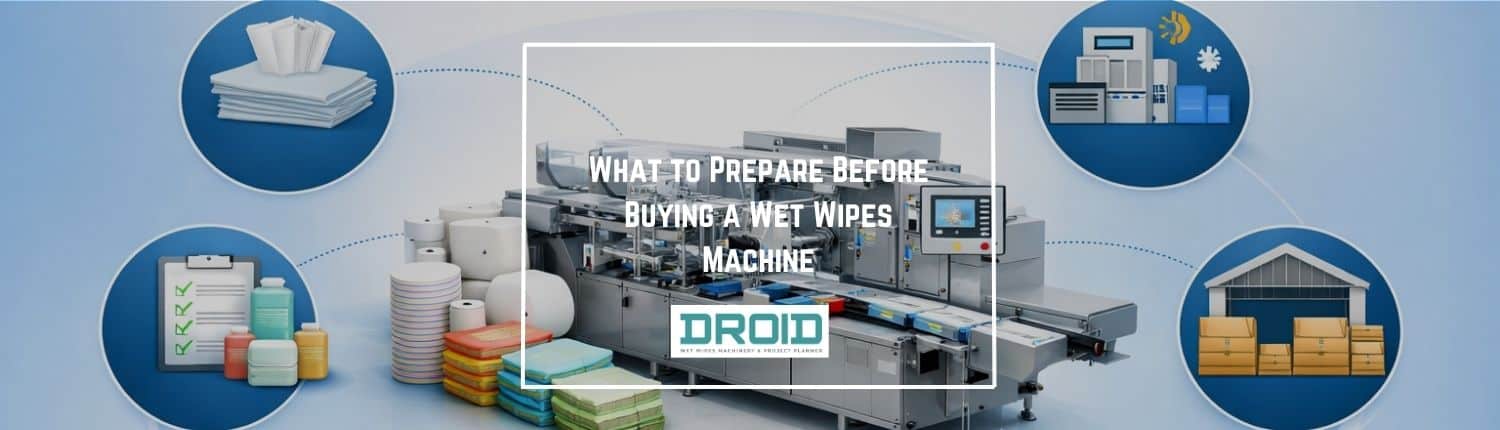
Manufacturers must specify the precise requirements of the product they want to make before choosing a wet wipes machine. There are several varieties of wet wipes, and each may require a different machine setup for consistent output. Early in the planning process, crucial elements, including wipe size, fold type, page count per pack, and packing structure, must be decided. Machine manufacturers find it challenging to design a production line that reliably delivers the required output and product quality when a well-defined product specification is absent.
The choice of nonwoven substrate material is another crucial component. Materials with varying thickness, absorbency, and tensile strength, such as spunlace, airlaid, or biodegradable, flushable fibers, are often used to make wet wipes. The folding stability, liquid absorption capacity, and overall customer experience are all directly affected by the fabric weight, which typically ranges from 35 gsm to 70 gsm, depending on use. The machine’s tension management system, folding mechanisms, and cutting precision must be appropriately matched to the selected substrate, as different materials react differently during high-speed processing.
Product requirements are primarily determined by the liquid formulation and dosage volume, as well as the substrate. Wet wipes might include industrial cleaning liquids, water-based cleansing solutions, disinfection agents, or cosmetic formulations. To ensure product safety and uniformity, each type of wet wipe requires precise dosage management. To prevent either too much or too little moisture, the amount of liquid per wipe must be adjusted based on the fabric’s absorption rate. Manufacturers may guarantee that the wet wipes machine is properly constructed to meet both product performance standards and long-term production efficiency by precisely specifying the wipe material, liquid composition, and packaging style beforehand.

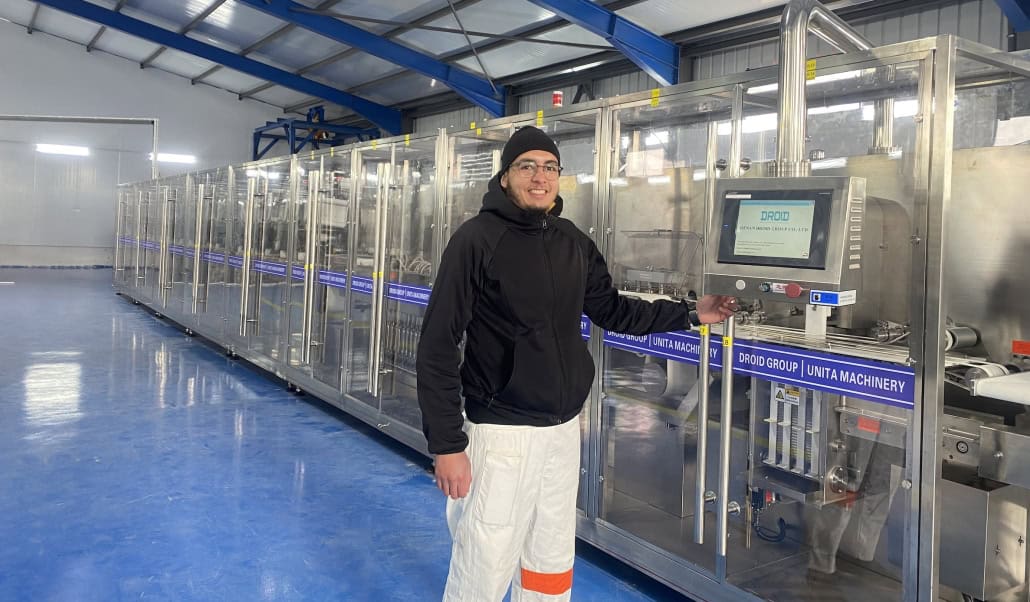


 Izmir, Turkey –
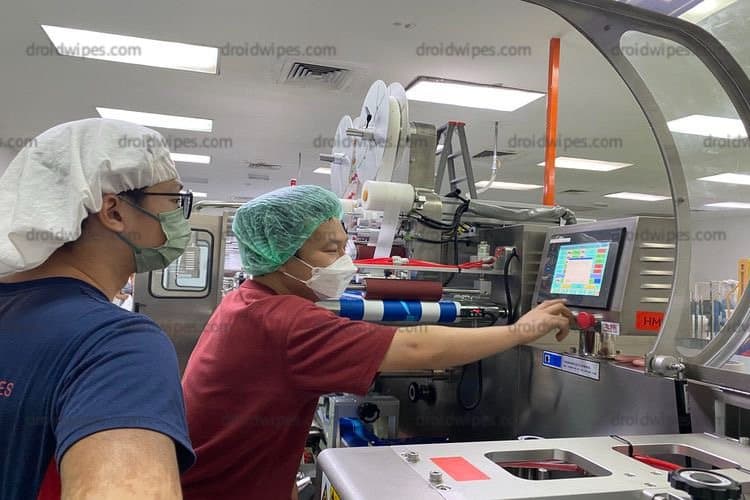
  Zhengzhou, China –
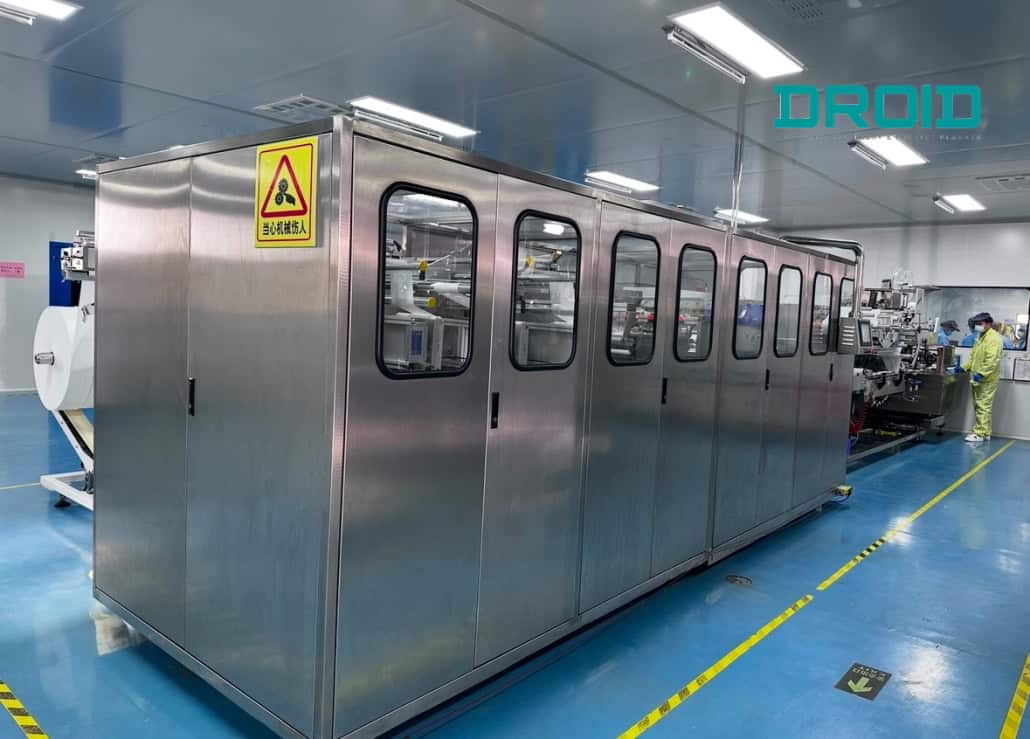
  Seoul, South Korea –
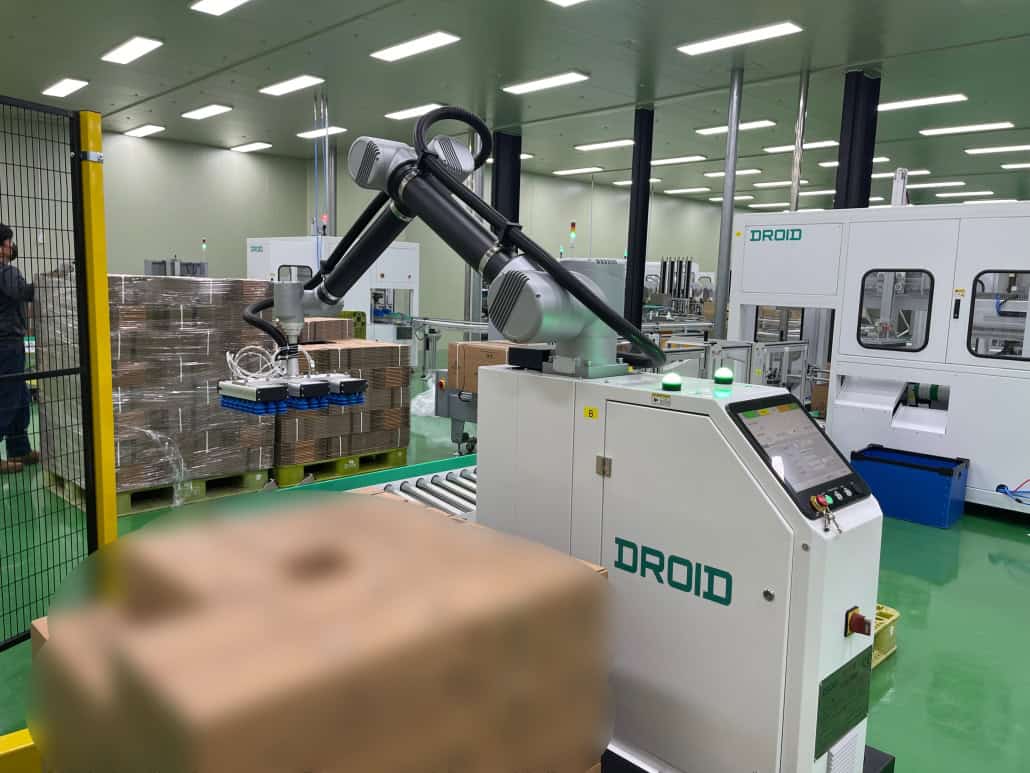
  Delhi, India