• What Drives Cost per Wipe How to Optimize It - What Drives Cost per Wipe & How to Optimize It

What Drives Cost per Wipe & How to Optimize It

Many consumers in the wet wipes market still prioritize the cost of wet wipes machines when making decisions. However, experienced producers are aware of the reality: The cost per wipe is the true battleground, not the machine’s cost.

A wet wipes production line is a 10-year investment, and even a small inefficiency in cost per wipe can translate into millions in lost profit over time.

This article examines the true factors influencing cost per wipe and how to maximize them for sustained profitability.

What Is Cost per Wipe and Why It Matters

The most important performance indicator in the production of wet wipes is cost per wipe. Dividing the complete manufacturing costs, raw materials, labor, energy, maintenance, and depreciation by the total output shows the total cost needed to make each individual wipe. Cost per wipe represents the continuous effectiveness of your complete business, in contrast to equipment price, which is a one-time expenditure. In the end, this figure determines whether your manufacturing line is just functioning or truly profitable.

The immediate effect that cost per wipe has on your ability to compete in the market is what makes it so crucial. Even a little variation, like a fraction of a penny per wipe, may have a big impact on your pricing power and profit margins in high-volume sectors like wet wipes. Customers in international markets, particularly in the USA and Europe, are very cost-conscious and demand consistent quality. You will have to lower your profit margins or lose market share to more productive rivals if your cost per wipe is not optimized.

More significantly, your whole production system—not just your machine—is reflected in the cost per wipe. It records how well your supplies are used, how reliable your equipment is, how productively your employees perform, and how well your supplier helps you over time. For this reason, seasoned manufacturers prioritize long-term operating performance above initial equipment cost. Optimizing cost per wipe is a systematic strategy for building a more successful, long-lasting wet wipes company, rather than a single change.

20943665 1030x1030 - What Drives Cost per Wipe & How to Optimize It
Material Utilization: The Hidden Profit Driver

Raw materials such as nonwoven fabric, lotion, and packaging film usually account for 60–70% of the overall production cost for wet wipes. This implies that, over time, even a small inefficiency in material use might subtly reduce your profits. Material waste is often less noticeable but has a far greater effect than obvious expenditures like labor or energy. On a batch-by-batch basis, excessive cutting, uneven folding, or overdosing on lotion may seem small, but over millions of wipes, they result in substantial financial losses.

Precision and consistency are the main obstacles. Uneven wipe sizes and needless edge waste might result from inaccurate cutting. Misalignment caused by inaccurate folding mechanisms may increase reject rates. In the meantime, unstable lotion dosing methods often lead to over-saturation, which increases drying time and complicates packing while effectively giving away product for free. These inefficiencies consistently raise the cost per wipe and lower overall production efficiency, even though they are not always immediately apparent.

Process control and engineering accuracy must be combined to optimize material use. High-performance servo-driven devices save waste by ensuring precise cutting and coordinated folding. Tight control over liquid administration is maintained by advanced dosing devices, typically within a ±2–5% tolerance range. Stable machine functioning also lowers reject rates and start-up waste. Material usage can be adjusted to immediately reduce the cost per wipe without sacrificing product quality, making it a potent profit lever.

wet wipes machine manufacturer DROID 3 1030x739 - What Drives Cost per Wipe & How to Optimize It

Machine Stability Reduces Downtime Losses

One of the most important, yet often disregarded, factors influencing cost per wipe is machine stability. High speeds are theoretically possible for many devices. In reality, their capacity to operate continuously defines their profitability. Every unexpected halt results in lost production, regardless of whether it is due to vibration, misalignment, or control system malfunctions. Labor, utilities, and administrative expenses don’t change while the machine is down, but output ceases, increasing the price of each wipe.

Compromised engineering is often the source of instability. At higher speeds, vibration and synchronization problems are caused by lightweight frames, subpar motion-control systems, or inadequate mechanical design. This eventually increases wear on sensors, motors, and other critical components in addition to causing frequent stoppages. Inconsistent feeding, stacking errors, and packaging misalignment are all symptoms of a system that cannot maintain stable, high-speed operation under real production conditions.

To maximize stability, strong engineering must be prioritized from the beginning. All modules operate smoothly and in unison thanks to rigid machine frames, precisely machined parts, and top-notch servo control systems. The capacity to sustain performance not only during dry test runs but also under wet-load conditions is equally crucial. Not only does a reliable machine operate more quickly, but it also operates longer and with fewer disruptions. And that consistency is what safeguards production, minimizes downtime, and eventually decreases the cost per wipe in a high-volume industry like wet wipes.

wet wipes machine manufacturer DROID 2 1 1030x651 - What Drives Cost per Wipe & How to Optimize It

Production Efficiency and Output Rate

Production efficiency is determined by how much steady, marketable output a machine produces over time, not by how quickly it can operate at its fastest. Many machines are sold with remarkable maximum speeds, but actual output is often lower than those promises due to frequent slowdowns, stoppages, and irregularities. Effective output rate, or the number of certified packets regularly generated every minute throughout extended production runs, is what really counts.

Real efficiency is influenced by several factors. The whole process may slow down due to bottlenecks caused by poor coordination between the packing and conversion stages. Jams and micro-stoppages might result from irregular material feeding or stacking problems. Over time, even small inefficiencies, such as minor misalignments or delays in lid application, compound to reduce daily productivity. Consequently, in practice, a machine rated at 120 packs per minute could only deliver 70–80 packs per minute, thereby increasing the cost of each wipe.

A system-level strategy is needed to maximize production efficiency. To prevent bottlenecks, the conversion speed, packing capacity, and downstream automation must be precisely adjusted. Scalability should be considered when designing multi-lane setups to allow future expansion without interfering with flow. Every module may be synchronized in real time by sophisticated control systems, guaranteeing seamless operation even at high rates. Since efficiency, not peak speed, determines profitability, a stable, well-balanced line that produces constant output will always perform better than a quicker but unstable system.

wet wipes machine manufacturer DROID 1030x755 - What Drives Cost per Wipe & How to Optimize It

Labor Requirements and Automation Level

Particularly in businesses that rely primarily on manual procedures, labor is a substantial and often overlooked factor in the cost per wipe. Continuous human engagement is necessary for tasks such as hand packaging, lid application, case packing, and palletizing, which increases the risk of inconsistency and adds to direct labor expenses. Even a small increase in workforce per shift in high-volume manufacturing can significantly raise the cost of each wipe, especially in countries where labor supply is unpredictable or salaries are rising.

Manual reliance adds unpredictability to the manufacturing process, as well as increased expense. The speed, precision, and consistency of human operators may vary, leading to inconsistent output quality and potential bottlenecks. Long shifts may cause fatigue, further affecting performance by increasing the risk of mistakes, rework, and downtime. Over time, these unseen inefficiencies add up to lower overall equipment effectiveness (OEE) and higher-than-expected cost per wipe.

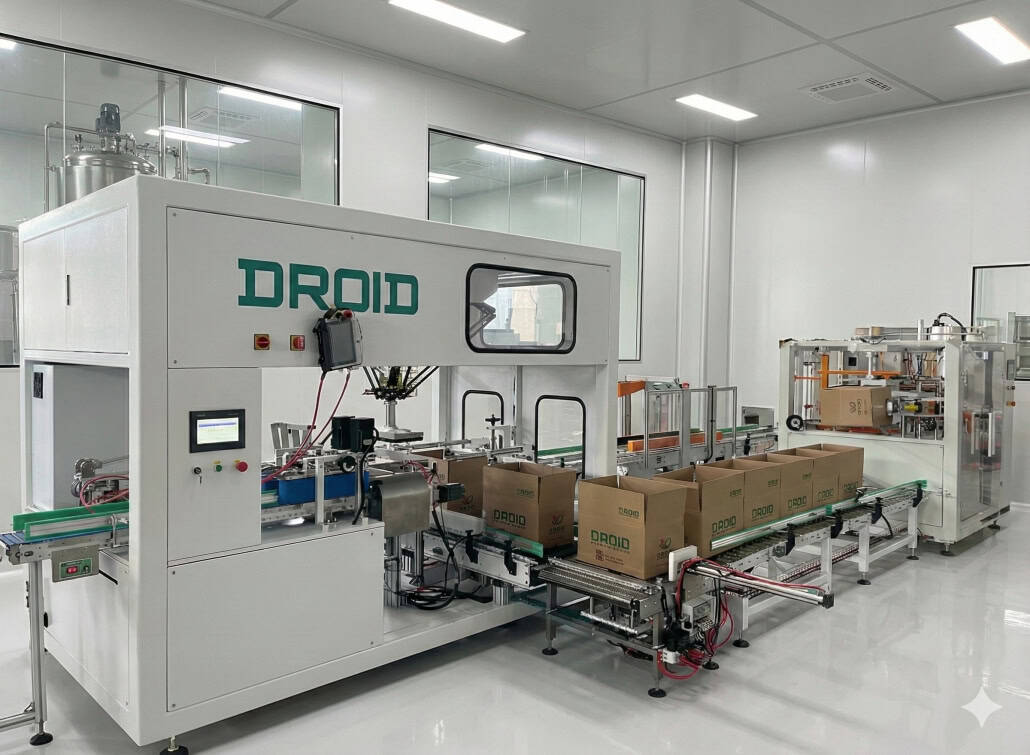
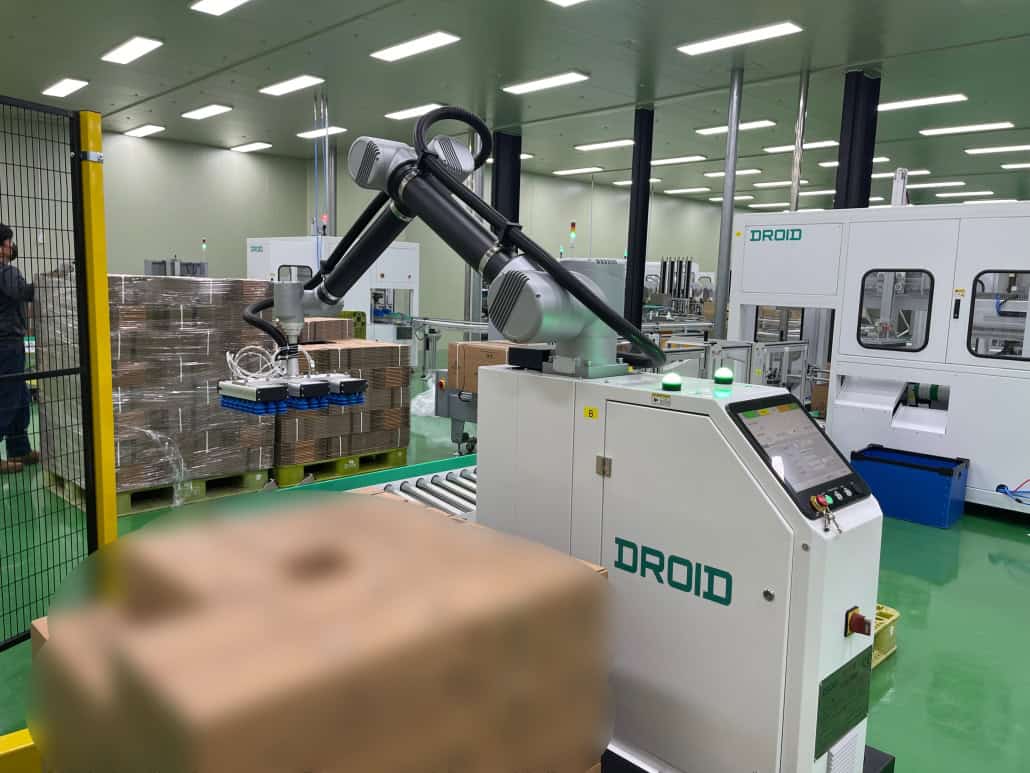
Reducing headcount is just one aspect of optimizing labor needs; another is increasing process dependability via automation. Human error is reduced, and consistent performance is ensured by integrating automated systems such as palletizers, case packers, and lid applicators. Better synchronization across the manufacturing line is another benefit of advanced automation, enabling higher speeds with fewer disruptions. Workforcer is deployed strategically rather than reactively, creating a steadier, more predictable operation that eventually lowers the cost per wipe while enhancing scalability and long-term profitability.

wet wipes machine manufacturer DROID 4 1030x624 - What Drives Cost per Wipe & How to Optimize It

Changeover Time and Production Flexibility

Running a single SKU at maximum capacity is no longer the focus of manufacturing in the current wet wipes business. Customers require a wide range of formats, including various sheet sizes, counts, packaging designs, and materials. Because of this change, changeover time plays a crucial role in calculating the cost per wipe. Every minute spent modifying the machine between product runs results in a wasted minute of production, as overhead and labor expenses persist while no output is produced.

Outdated machine designs that rely heavily on human adjustments are often the cause of slow, complicated changeovers. Operators may have to rearrange stacking units, fine-tune package settings, recalibrate cutting lengths, and modify folding systems—all of which require time and increase the possibility of human mistakes. In high-mix production environments, frequent changeovers can significantly reduce overall efficiency, making it difficult to respond quickly to smaller, customized orders that are increasingly common in global markets.

A move toward intelligent and adaptable machine design is necessary to optimize changeover time. Operators may transition between product specifications with preset parameters using digital recipe systems, eliminating the need for trial-and-error modifications. Automatic positioning and synchronization are enabled by servo-driven devices, significantly reducing setup time. Flexibility is further increased by modular machine design, which enables producers to swiftly adopt new forms without requiring significant reconfiguration. In reality, cutting changeover time to less than 30 minutes improves production agility, allowing manufacturers to take in more orders, respond more quickly, and eventually reduce cost per wipe by making better use of manufacturing time.

wet wipes machine0 - What Drives Cost per Wipe & How to Optimize It

Energy Efficiency and Component Quality

Despite being a continual operating expense that directly affects cost per wipe, energy consumption is often disregarded when choosing a machine. Air compressors, control units, heating systems, and motors all contribute to the total energy use, and inefficient systems can greatly increase running costs over time. In contrast to one-time expenses, energy inefficiency gradually increases the cost of each wipe generated daily, particularly in high-speed, round-the-clock production environments.

The quality of the machine’s components is a key factor in energy efficiency. Poor-quality motors, antiquated drive systems, and ineffective pneumatic designs often consume more energy and operate less precisely. Additionally, these parts produce more heat, deteriorate more quickly, and need more frequent repair, which feeds a vicious cycle of increasing energy use and downtime. On the other hand, superior servo systems and optimized electrical structures enhance machine responsiveness and control precision while reducing energy consumption.

Selecting appropriate parts and system design is the first step toward optimizing energy efficiency. Servo-driven motors reduce wasteful use by dynamically adjusting power consumption in response to demand. While well-integrated control systems ensure that all modules function in unison without excessive energy use, efficient pneumatic systems minimize compressed air waste. Over time, these enhancements increase overall system stability and provide quantifiable savings. Energy-efficient engineering is more than simply a technical improvement in a cutthroat market with narrow profit margins; it is a strategic advantage that reduces cost per wipe and boosts long-term profitability.

wet wipes machine manufacturer DROID 8 1030x773 - What Drives Cost per Wipe & How to Optimize It

Spare Parts Availability and Maintenance Cost

The availability of spare parts is crucial for reducing the cost per wipe, particularly in high-volume production settings when downtime is quite expensive. Production may stop completely if a crucial component fails and replacement parts are not readily available. These unplanned stoppages, in contrast to scheduled maintenance, may extend for days or even weeks, during which time labor, overhead, and unfulfilled orders continue to mount. The hidden cost of each wipe increases with the length of the wait.

When machines depend on non-standard or region-specific components with limited worldwide availability, the risk is much greater. Even basic components such as sensors, valves, or motors may require longer lead times in certain situations. Additionally, troubleshooting may become more difficult and take longer if there is inadequate documentation or technical help. Over time, this lowers overall equipment dependability and raises maintenance costs, making it more difficult to maintain steady output.

The first steps in optimizing spare parts management are intelligent supplier selection and machine design. Faster procurement and simpler replacement in foreign markets are guaranteed when globally recognized component brands are used. Unplanned downtime can be significantly reduced by creating a preventive maintenance plan and maintaining a smart inventory of essential spare parts. More significantly, using a provider that offers prompt technical assistance and after-sales support ensures that problems are resolved quickly. In actuality, one of the best strategies to safeguard productivity, stabilize operations, and lower the cost per wipe over time is to minimize downtime by ensuring dependable availability of replacement parts.

Wet Wipes Factory 1030x772 - What Drives Cost per Wipe & How to Optimize It

Compliance and Documentation Readiness

Compliance is not only a legal necessity in today’s global wet wipes industry, but it also directly affects the cost per wipe and the firm’s profitability. Strict adherence to standards such as CE safety, GMP-sanitary design, and comprehensive technical documentation is required in markets such as the US and Europe. Manufacturers risk rejected shipments, failed audits, and delayed market access if they don’t comply. Not only do these setbacks slow operations, but they also result in large financial losses that raise the cost of each wipe.

It’s common to underestimate the hidden cost of inadequate recordkeeping. Extended approval procedures and frequent inspections may result from incomplete technical files, missing validation data, or ambiguous operating instructions. Sometimes, following installation, firms are compelled to stop production or redesign some aspects of their business to comply with regulations. Compared to integrating compliance into the system from the start, this reactive approach is significantly more costly. Additionally, improper documentation reduces overall operating efficiency by making training and troubleshooting more difficult.

The engineering stage is when optimizing compliance and documentation preparedness begins, not after the equipment is delivered. Hygienic structures, safety precautions, and verified procedures are examples of audit-ready requirements that should be considered while designing machines. Comprehensive documentation such as electrical schematics, risk assessments, operation manuals, and maintenance guidelines should be prepared and delivered in a structured, usable format. Manufacturers may easily pass audits, gain access to high-value markets, and prevent expensive interruptions when compliance is integrated into both the machine and its documentation. Strong compliance preparedness is ultimately a business advantage that promotes steady production and reduces cost per wipe, not a burden.

regulatory compliance - What Drives Cost per Wipe & How to Optimize It

Supplier Capability and Long-Term Support

Beyond the initial machine purchase, your supplier’s capabilities have a direct and long-lasting effect on the cost per wipe. A wet wipes manufacturing line is a complex system that requires ongoing maintenance, optimization, and technical support throughout its lifespan; it is not a stand-alone product. Selecting a supplier that lacks true technical depth or after-sales infrastructure often results in unsolved problems, delayed troubleshooting, and extended downtime, all of which covertly raise your operating expenses.

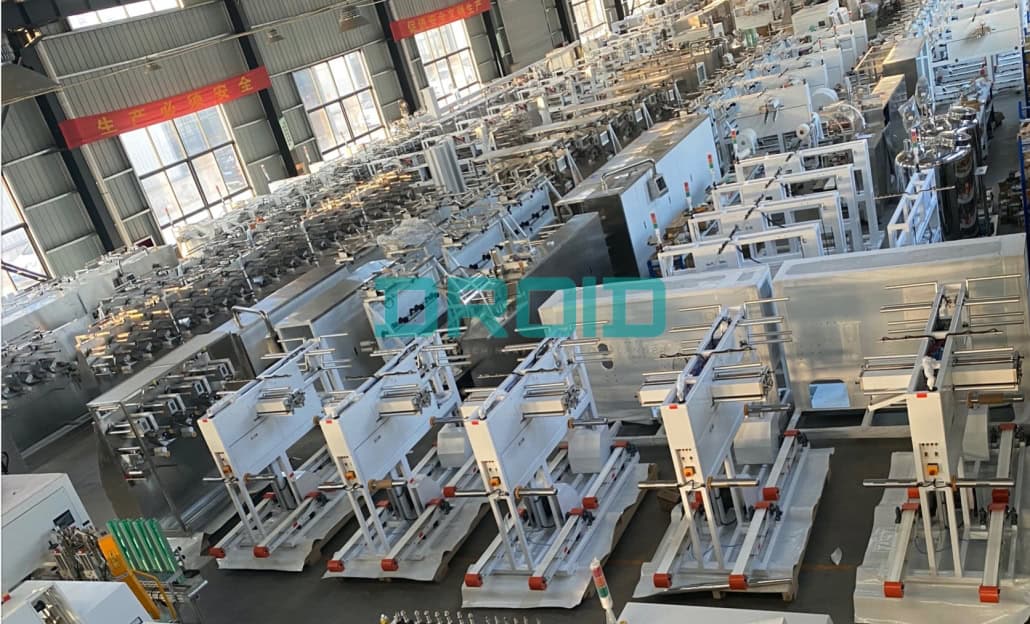
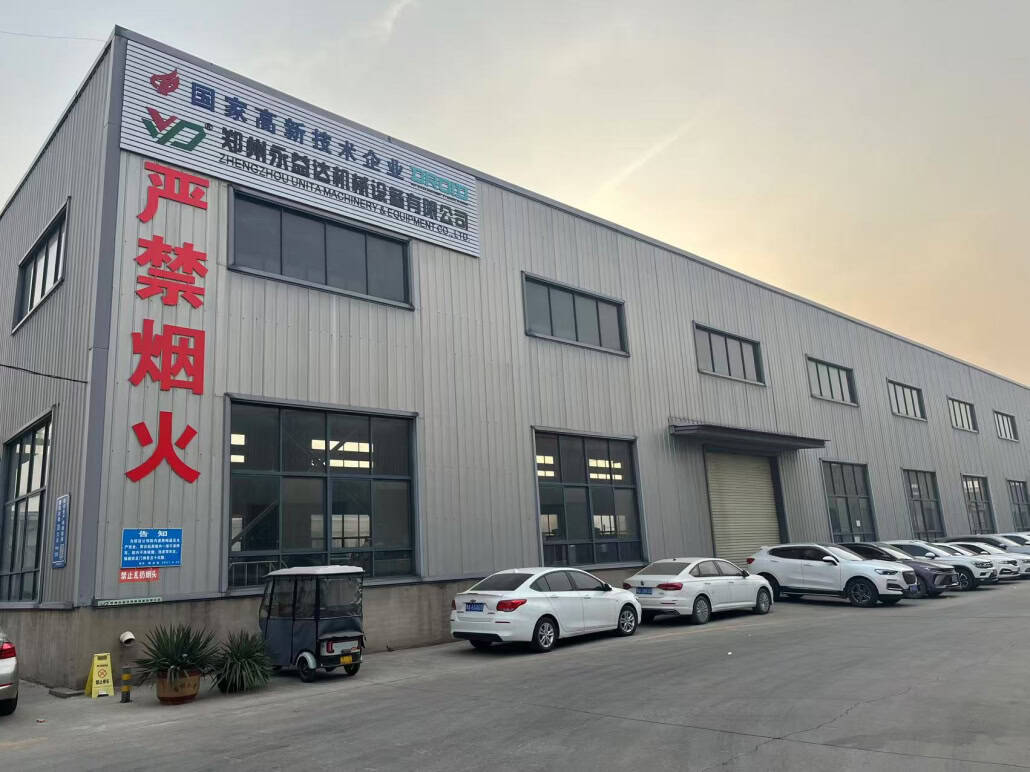
Working with trading firms or suppliers that lack genuine ownership of manufacturing and engineering is one of the market’s biggest concerns. They may give a low price up front, but they often have little capacity to provide long-term assistance, process optimization, and technological solutions. These vendors may not have the knowledge or resources to respond appropriately when issues arise, whether related to equipment performance, product quality, or compliance. Manufacturers are thus forced to handle inefficiencies on their own, which eventually raises the cost of each wipe.

Optimizing supplier selection entails assessing long-term capacity alongside pricing. Strong technical teams, in-house engineering, and organized after-sales support, including remote diagnostics, spare parts availability, and on-site servicing when required, are hallmarks of a true manufacturing partner. More significantly, they should be able to do more than simply provide equipment; they should continually enhance your manufacturing process. The proper supplier becomes your operational backbone in a high-volume, cutthroat business like wet wipes, helping you preserve stability, boost productivity, and safeguard profitability over time.

Wet wipes machine manufacturer 1030x574 - What Drives Cost per Wipe & How to Optimize It

Why Ownership Cost Matters More Than Machine Price

It’s easy to focus on the initial purchase cost when evaluating a wet wipes machine. It is, after all, the quotation’s most noticeable number. However, throughout the course of the machine’s lifespan, you will really spend much more than this. Ownership cost—the overall cost of operating, maintaining, and using the equipment over a period of five to ten years—is where the real financial impact lies. This covers labor, energy usage, replacement parts, maintenance, downtime losses, and material efficiency. At first, less expensive equipment may seem appealing, but if it results in higher operating expenses, it soon becomes the more costly option.

When the discrepancy is scaled across manufacturing volume, it becomes noticeable. Even a small increase in the cost per wipe, driven by inefficiencies or instability, may result in hundreds of thousands, or even millions, of dollars in lost earnings over time in a high-speed wet wipes business that produces millions of packs annually. Higher downtime, irregular production, and greater waste are common problems for machines constructed with subpar parts or worse engineering. Silently building up, these hidden expenses reduce margins and make it harder for you to compete in international markets where prices are crucial.

The focus shifts from short-term savings to long-term profitability by emphasizing ownership costs. Over its lifetime, a well-designed machine with a higher initial cost will usually provide improved stability, increased efficiency, reduced waste, and stronger support, thereby cutting the cost of each wipe. To put it another way, you are investing in a manufacturing system that will determine your operational success for years rather than purchasing a machine. The most successful manufacturers are well aware of this: ownership costs are daily expenses, while prices are one-time expenses.

wet wipes machine manufacturer DROID 1 1030x773 - What Drives Cost per Wipe & How to Optimize It

The cost per wipe is calculated by dividing the total production cost—which includes labor, materials, energy, maintenance, and machine depreciation—by the number of wipes produced.

While the cost per wipe affects daily profitability, the machine price is a one-time expenditure. Significant long-term financial losses might result from minor inefficiencies.

Material usage, machine stability, manufacturing efficiency, labor costs, energy consumption, and maintenance needs are important considerations.

By increasing material economy, reducing downtime, maximizing automation, and using reliable, high-quality equipment, you may lower the cost per wipe.

Stable machines reduce total production costs by minimizing downtime, reducing material waste, and maintaining consistent output.

Yes, automation lowers labor costs, boosts manufacturing efficiency, and improves uniformity, all of which eventually result in a cheaper cost per wipe.

Since raw materials account for the majority of the cost per wipe—typically 60–70%—material waste immediately raises manufacturing costs.

Energy-efficient devices use less power and run more consistently, lowering operating costs and boosting long-term profitability.

Robust supplier support reduces downtime and operational hazards by guaranteeing quick troubleshooting, the availability of replacement parts, and continuous optimization.

Particularly in high-mix production settings, long changeover times lower production uptime and efficiency and raise the cost per wipe.

Ask For A Quote 

1 + 3 = ?

Contact Form