• The Hidden Risks of Buying Wet Wipes Machines from Traders - The Hidden Risks of Buying Wet Wipes Machines from Traders

The Hidden Risks of Buying Wet Wipes Machines from Traders

Purchasing a wet wipes machine is a strategic decision that directly impacts long-term profitability, production stability, and product quality in today’s competitive hygiene industry. While some vendors claim to be “manufacturers,” many are actually trading companies that outsource technical support, engineering, and assembly.

At first glance, a trader’s quote may seem attractive due to its lower price. However, hidden risks often surface months later—during installation, compliance checks, or high-speed production, undermining the initial savings.

This article explores the actual risks associated with buying a wet wipes machine from a trading company and offers strategies to protect your investment.

No Engineering Ownership = No Technical Control

You are frequently not purchasing from the actual engineering source when you acquire a wet wipes machine from a trading organization. The trader may be responsible for export logistics, sales, and negotiations, while another factory handles PLC programming, motion control architecture, and core mechanical design. The customer and the absolute engineering authority become structurally separated as a result. The provider cannot adequately explain, modify, or improve the machine’s performance if they do not develop and program it internally. In reality, the relationship that appears to exist between a “manufacturer” and the actual technical decision-makers is an intermediate layer.

When technological difficulties emerge, this lack of engineering ownership becomes crucial. Stable lotion dosing systems, accurate tension control for nonwoven substrates, and coordinated servo motion are all necessary for the manufacturing of wet wipes. Modifications frequently require direct access to the PLC source code and original mechanical drawings when performance instability arises, such as web drifting, incorrect cutting length, or dosing variation. Usually, a trading corporation does not possess these assets. Because of this, each modification request must be sent back to the original factory, which lengthens response times and reduces flexibility. Customization and optimization are often complex for traders, as they may not even have access to editable source code.

This constraint eventually impacts scalability and long-term competitiveness. Upgrades like lane extensions, eco-substrate compatibility, higher-speed configurations, and robotic integrations become difficult or impossible without direct engineering control. In effect, the machine is “locked” into its initial setup. Honest production feedback, on the other hand, allows a genuine manufacturer with internal engineering ownership to adjust motion parameters, improve mechanical structures, and apply software upgrades. Technical control is essential to operational stability, flexibility, and long-term return on investment in industrial manufacturing.

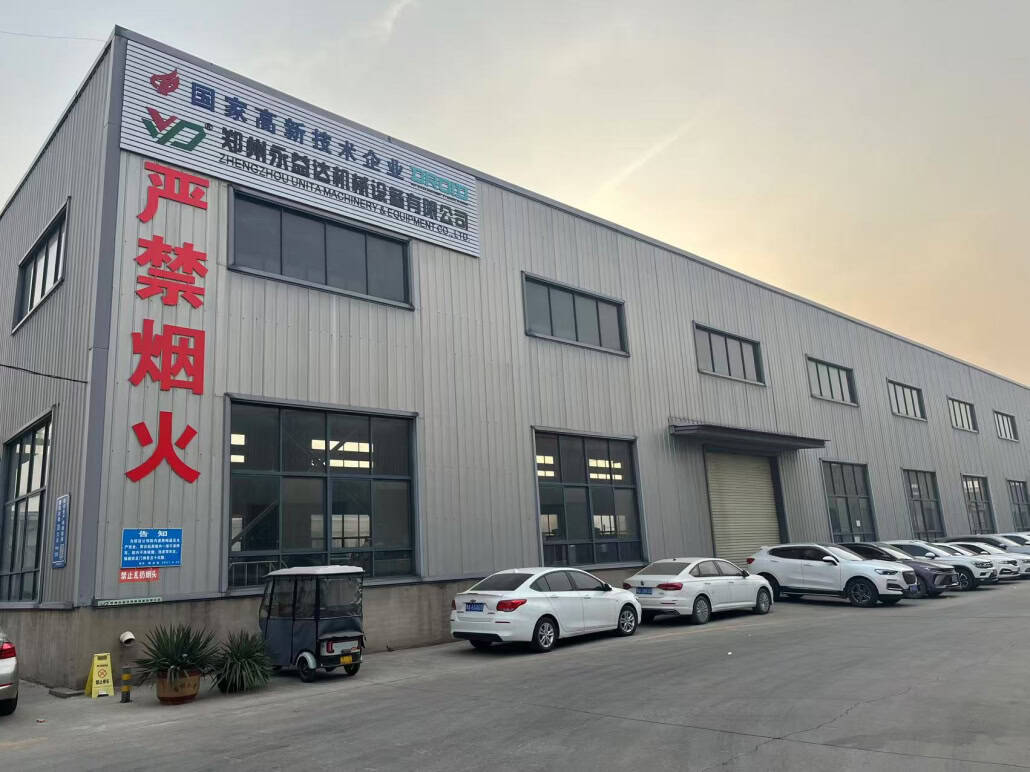
Wet Wipes Factory 1030x772 - The Hidden Risks of Buying Wet Wipes Machines from Traders
Surface-Level Specifications Can Be Misleading

Many consumers automatically focus on prominent features when assessing a wet wipes machine, such as the PLC and servo brands, maximum speed, and quoted pricing. These indicators are frequently emphasized in sales presentations and are simple to compare on paper. However, a machine’s actual engineering depth is rarely reflected in surface-level parameters. Even when two machines have the same “Siemens PLC” or “Mitsubishi servo” listed, their performance, stability, and longevity are entirely different. The component series, system design, and integration quality—rather than the brand name itself—are what distinguish the two.

International automation brands offer a range of product lines, from high-performance motion control series designed for intricate, multi-axis synchronization to entry-level, economical series intended for simple packaging applications. Trading businesses sometimes use lower-tier series while still extensively promoting the brand name to cut expenses. This difference is rarely explained on a quotation sheet. But in actual manufacturing, the effects are evident. At greater speeds, torque stability may be a problem for economical servo systems. For accurate multi-axis coordination, lower-end PLC CPUs might not have enough computing power. Web drifting, uneven cutting length, or unreliable dosing precision under high production load are possible outcomes.

Claims about maximum speed may sometimes be deceptive. Under ideal circumstances, a machine described as producing 120 packs per minute could reach that pace only during brief demonstration runs. Continuous 24/7 production requires much stronger mechanical construction, vibration control, and motion synchronization, particularly with lightweight substrates such as 45gsm flushable materials. Buyers risk basing their judgments more on marketing than on engineering realities if they don’t consider frame thickness, machine weight, dosage variation tolerance, and endurance testing data. Performance on paper is not always indicative of performance on the production floor when it comes to industrial equipment investments.

wet wipes machine manufacturer DROID 2 1 1030x651 - The Hidden Risks of Buying Wet Wipes Machines from Traders

Weak Compliance Documentation

Compliance is a legal and practical need in international hygienic production, not just a decorative label. Strict safety and paperwork requirements, including as CE conformance, comprehensive technical files, risk assessments, and appropriate electrical schematics, must be met by a wet wipes machine before it can be exported to Europe, Australia, or other controlled markets. Nonetheless, trading firms frequently overlook compliance. They try to “add” compliance paperwork at the last moment, creating gaps between the documentation and the actual machine structure, rather than designing the machine to meet worldwide standards from the outset.

Inadequate CE paperwork is among the most frequent hazards. A structured risk assessment in line with ISO 12100, safety circuit validation in accordance with ISO 13849-1, comprehensive electrical diagrams, pneumatic layouts, and a Declaration of Conformity backed by verifiable calculations and safety category analysis are all necessary components of a complete CE technical file. Without performing a machine-specific safety assessment, traders usually offer generic templates that have been used in other applications. Safety relays, interlock systems, and emergency stop circuits may occasionally fall short of the necessary performance level (PL). Even though these flaws might not be apparent during installation, they could become significant liabilities during accident investigations or third-party inspections.

Ineffective operations are another result of inadequate documentation. Maintenance personnel find it difficult to fix problems fast in the absence of organized wiring diagrams, clearly labeled components, and English-language documentation. Missing or contradictory documentation during regulatory audits or customs clearance may increase costs and delay project timelines. Attaching a CE stamp does not constitute accurate compliance; instead, safety measures must be designed, validated, and documented from the start. Inadequate compliance documentation poses a threat not only to regulations but also to long-term market access, operational stability, and trustworthiness.

regulatory compliance - The Hidden Risks of Buying Wet Wipes Machines from Traders

No Structured FAT (Factory Acceptance Test)

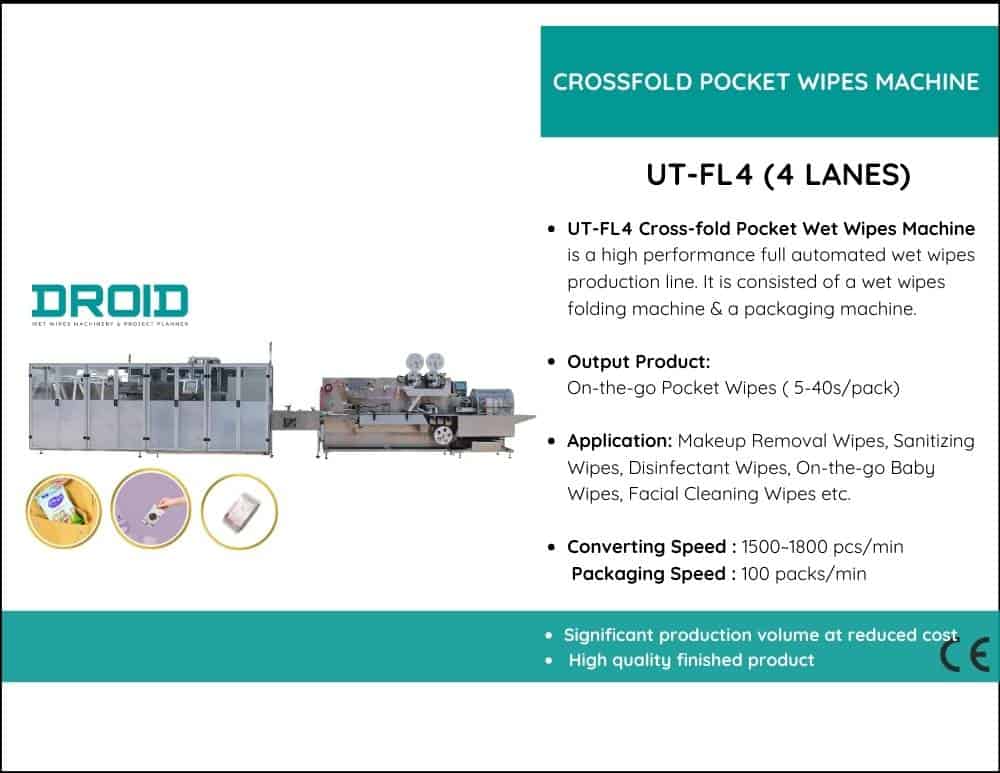
One of the most important steps before a wet wipes machine leaves the manufacturer’s plant is the Factory Acceptance Test (FAT). It is the last confirmation that, in actual production settings, the machinery operates in accordance with established technical standards. A structured FAT is a methodical validation procedure that assesses speed stability, dosage accuracy, motion synchronization, safety systems, and format changeover performance. It is not a brief demonstration run. This organized procedure is frequently absent or drastically streamlined when purchasing from a trading organization.

Traders may set up quick trial runs in optimal, low-stress settings in place of multi-hour endurance testing at rated production speeds. The machine may run smoothly for 10 to 20 minutes, but it is hardly a realistic representation of 24/7 manufacturing. Rarely are critical performance metrics, such as nonwoven tension management, lotion dosage variation, and cutting accuracy at maximum speed, thoroughly recorded. Prior to shipping, purchasers lack objective proof of machine reliability due to the absence of quantifiable FAT reports, such as deviation data, alarm response testing, and safety circuit certification.

The buyer bears all risk in the absence of a structured FAT. Issues, including web drift, uneven sealing, vibration at higher speeds, and unstable stacking, often don’t appear until after installation, when production delays become costly. At that point, troubleshooting calls for on-site mechanical rework, spare component shipments, or remote help. FAT is conducted as a formal engineering method by a reputable manufacturer of wet wipes machines, complete with signed validation reports, detailed checklists, and performance benchmarks. The machine is essentially being tested for the first time in your own plant, without the organized testing period, which is an expensive experiment that no professional company should conduct.

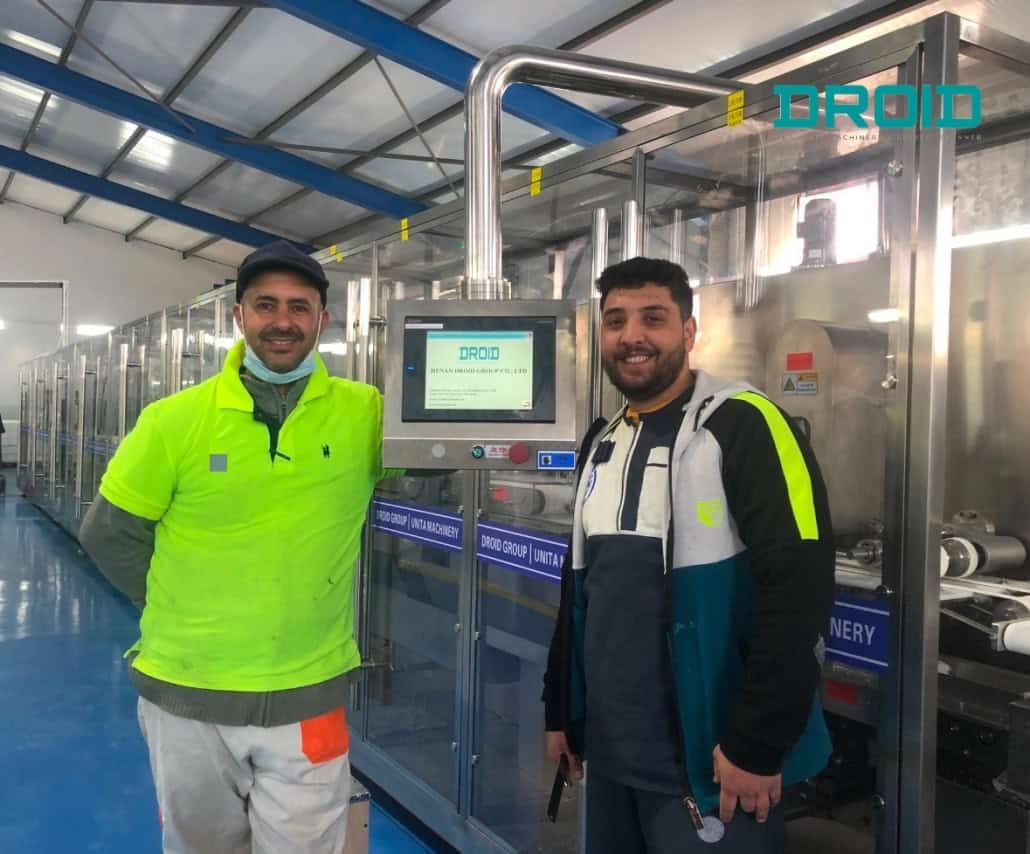
wet wipes machine manufacturer DROID 9 1030x854 - The Hidden Risks of Buying Wet Wipes Machines from Traders

Limited After-Sales Infrastructure

The actual test of a machine provider’s production of wet wipes begins after installation. A wet wipes machine is a multi-axis, high-speed device that runs under constant manufacturing pressure. Software parameters occasionally need to be optimized, wear components must be replaced on schedule, and unforeseen problems require prompt technical diagnosis. After-sales support from trade companies is frequently reactive rather than systematic. Although the trader may be responsible for communication, they usually don’t have a specialized engineering staff, a spare parts inventory system, or a worldwide service network that can provide prompt and accurate assistance.

When there is downtime, this restriction becomes crucial. Quick action is necessary if a servo drive alert sounds or a mechanical alignment problem compromises production stability. A genuine manufacturer with in-house experts can examine PLC logs, adjust parameters, and send out skilled technicians who are conversant with the equipment’s design. However, information must be sent back to the original plant via a trading business, which causes delays and fractured communication. Time zone variations, translation errors, and unclear technical accountability can significantly prolong troubleshooting cycles. Even a single day of downtime in the manufacture of hygiene products can offset the initial cost savings at purchase.

Structured service planning is essential for long-term operational stability in addition to emergency help. A professional after-sales ecosystem includes bilingual technical documentation, standardized spare parts kits, remote diagnostic capabilities, and preventive maintenance plans. Since trading organizations have little control over the engineering platform, they seldom invest in such infrastructure. Customers may thus have to deal with erratic parts availability, unclear upgrade paths, and limited technical continuity throughout the machine’s lifespan. After-sales infrastructure is an essential part of Total Cost of Ownership in industrial production, not an add-on. Operational risk is always higher without it.

droid after sales service  1030x579 - The Hidden Risks of Buying Wet Wipes Machines from Traders

No Upgrade Path

The wet wipes market is changing quickly. Plastic-free substrates, lightweight flushable materials, a variety of pack designs, and greater automation integration are becoming increasingly popular. Today’s wet wipes machine needs to be competitive for years, not just a few months. However, long-term scalability is unknown when equipment is purchased through a trading business without engineering ownership. Usually, the equipment is given in a fixed form with little room for software or structural growth. When market demand shifts, what seems adequate at the time of purchase might soon become scarce.

Direct access to the motion control architecture, PLC source code, mechanical drawings, and load calculations is frequently necessary during upgrades to a wet wipes machine. Coordinated software and mechanical changes are required, for instance, to expand production lanes, incorporate a robotic lid applicator, improve stacking automation, or optimize changeover using digital presets. Rarely does a trading organization have the technical know-how or authorization to implement these changes on its own. If the original manufacturer is willing and technically capable of supporting such growth, then any changes must be agreed with them. Upgrades are often impossible because inferior servo systems or poorly constructed frames cannot physically sustain greater speeds or more modules.

The machine’s lifespan is constrained in the absence of a defined upgrade path. The manufacturing line risks becoming outdated as rivals adopt more sophisticated configurations rather than changing to meet market demands. A genuine manufacturer designs machinery with mechanical structures that are future-ready, scalable motion-control capabilities, and a modular architecture. Customers can add more lanes, switch to different substrates, or implement automation thanks to this foresight, without having to replace the entire line. Adaptability safeguards long-term return on investment in industrial manufacturing. Your machine could meet today’s demands but fall short of tomorrow’s prospects if engineering controls and a clear upgrade plan are lacking.

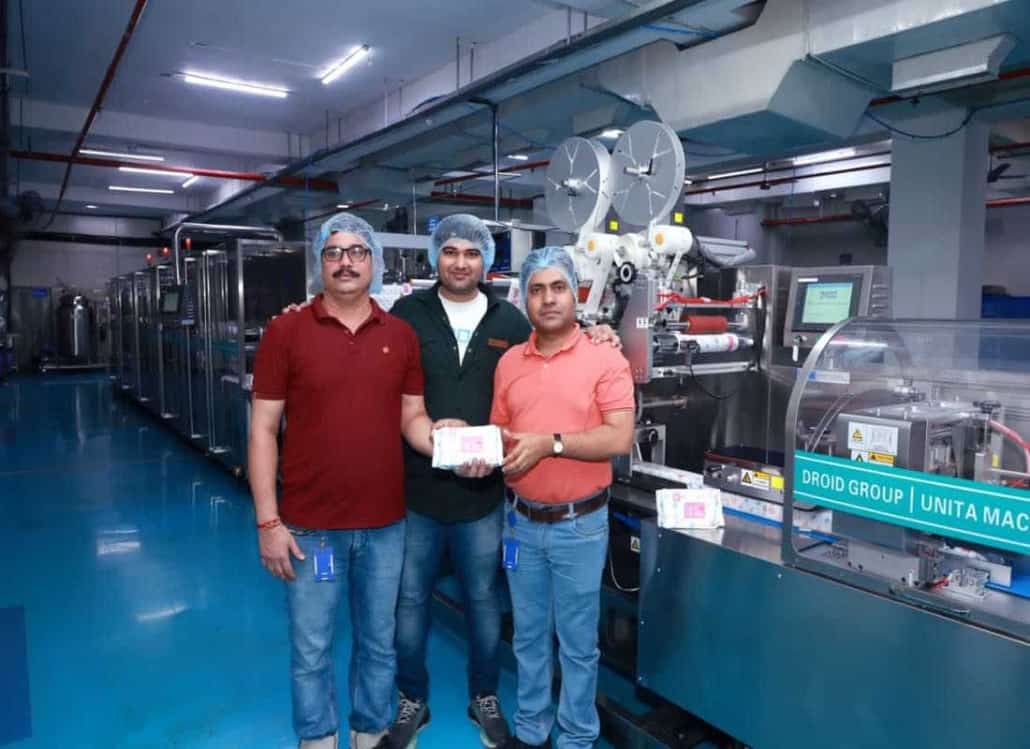
wet wipes machine INDIA 1030x749 - The Hidden Risks of Buying Wet Wipes Machines from Traders

The Illusion of Lower Price

The belief that the lowest quote is the best deal is one of the most prevalent pitfalls in purchasing industrial equipment. Price discrepancies for wet wipes machines might seem substantial on paper, often amounting to tens or even hundreds of thousands of dollars. Trading firms frequently exploit this discrepancy to market themselves as the “cost-effective” choice. The source of such cost savings, however, is not apparent in the statement. Efficiency by itself seldom leads to lower prices; instead, it is usually achieved through simpler mechanical structures, downgraded component series, or less testing and compliance preparation.

Lower-tier servo systems, simpler safety circuits, smaller machine frames, or fewer FAT operations can all result in cost reductions. These choices raise operational risk while lowering the initial capital expenditure. At high speeds, a lighter frame could cause vibration. When operating continuously, an economical servo series may struggle to maintain torque stability. Overuse of lotion can result from poor dosage management, silently increasing material waste across millions of packets. Even if each concession can seem insignificant on its own, taken together, they reduce long-term profitability and manufacturing efficiency. Downtime, spare component replacements, inconsistent manufacturing, and missed market opportunities are examples of hidden expenses that build up over time.

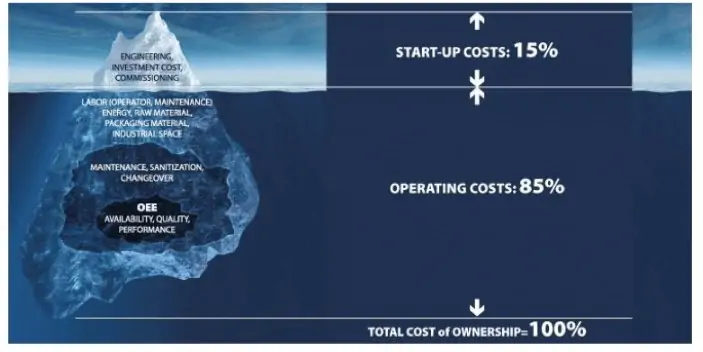
Total Cost of Ownership (TCO) should be the primary emphasis of a meaningful financial comparison rather than just the purchase price. This includes machine longevity, production stability, energy efficiency, maintenance frequency, compliance preparedness, and upgrade capability. Over 5 to 10 years of operation, a lower initial investment might result in higher cumulative expenses. Operational resilience in industrial manufacturing is determined by engineering depth. The thing to consider when assessing a wet wipes machine is not “Which supplier is cheaper?” but rather “Which machine will generate stable profit with minimal risk over its lifecycle?” When long-term performance is objectively evaluated, the appearance of a reduced price often vanishes.

wet wipes machine price  - The Hidden Risks of Buying Wet Wipes Machines from Traders

How to Protect Your Investment

Purchasing a wet wipes machine is a long-term operational commitment rather than a simple transaction. The first step in protecting this investment is to shift your evaluation criteria from pricing to engineering verification. Buyers should examine technical ownership, system design, and lifecycle support rather than concentrating solely on speed and brand names. A reliable provider should be able to clearly explain who owns the source code, who programs the PLC, who designs the machine, and who will provide support for improvements in the next five years. Transparency now can help you avoid expensive surprises later.

It is essential to have a systematic technical verification process. Request comprehensive documentation, such as a formal Factory Acceptance Test (FAT) checklist, safety validation reports, mechanical drawings, and electrical schematics. Verify not only the brand name but also the specific servo and PLC series being used. Ask for quantifiable performance data, such as stability benchmarks under full production load, endurance test durations, and tolerance to dosage variation. If possible, visit a customer site that is currently operating the same setup under real conditions. Use operational evidence, not just presentation slides, to verify a wet wipes machine.

Finally, evaluate the provider’s long-term service ecosystem. Check if they offer bilingual technical support, systematic spare parts management, in-house engineers, and remote diagnostic capabilities. Clarify the upgrade paths:

  • Can the system expand its lanes?
  • Is it possible to adjust program settings internally?
  • Is the architecture designed to accommodate future automation?

Protecting your investment means securing a trustworthy engineering partner alongside the machine. In high-speed hygiene production, profitability depends on stability, compliance, and flexibility. The most economical insurance policy you can get is one that you thoroughly research before signing a contract.

Wet wipes machine manufacturer 1030x574 - The Hidden Risks of Buying Wet Wipes Machines from Traders
Decisions about machinery have a long-term impact on operational effectiveness in the wet wipes sector. Trading firms may provide eye-catching quotes and polished sales presentations, but until manufacturing begins, the hidden hazards remain. Efficiency, stability, and profitability can be subtly undermined by a lack of engineering ownership, flimsy specifications, inadequate compliance documentation, unstructured FAT procedures, insufficient after-sales infrastructure, and an unclear upgrade path. What at first seems like a cost-cutting measure might eventually turn into a burden on operations.

A wet wipes machine is the central component of your hygiene manufacturing company, not only a piece of machinery. It must be scalable as your market grows, meet international compliance standards, adapt to changing substrate trends, and operate reliably under constant demand. Long-term technical responsibility, systematic validation procedures, and engineering depth are necessary for these capabilities. Intermediaries cannot be used to improvise them.

The most astute purchasers look past the quote sheet. Before making a financial commitment, they assess lifecycle support, audit architecture, and confirm technical ownership. In industrial manufacturing, actual value is determined by long-term production stability and preserved margins rather than the lowest purchase price. Selecting a wet wipes machine provider involves more than just choosing equipment; it also entails determining the level of control, risk exposure, and long-term competitiveness your company will maintain.

Wet wipes equipment’s Total Cost of Ownership (TCO) encompasses all operating costs over the machine’s lifetime, including maintenance, service response time, energy consumption, labor inefficiencies, replacement parts, downtime, and material waste. It influences long-term profitability and extends well beyond the initial purchase price.

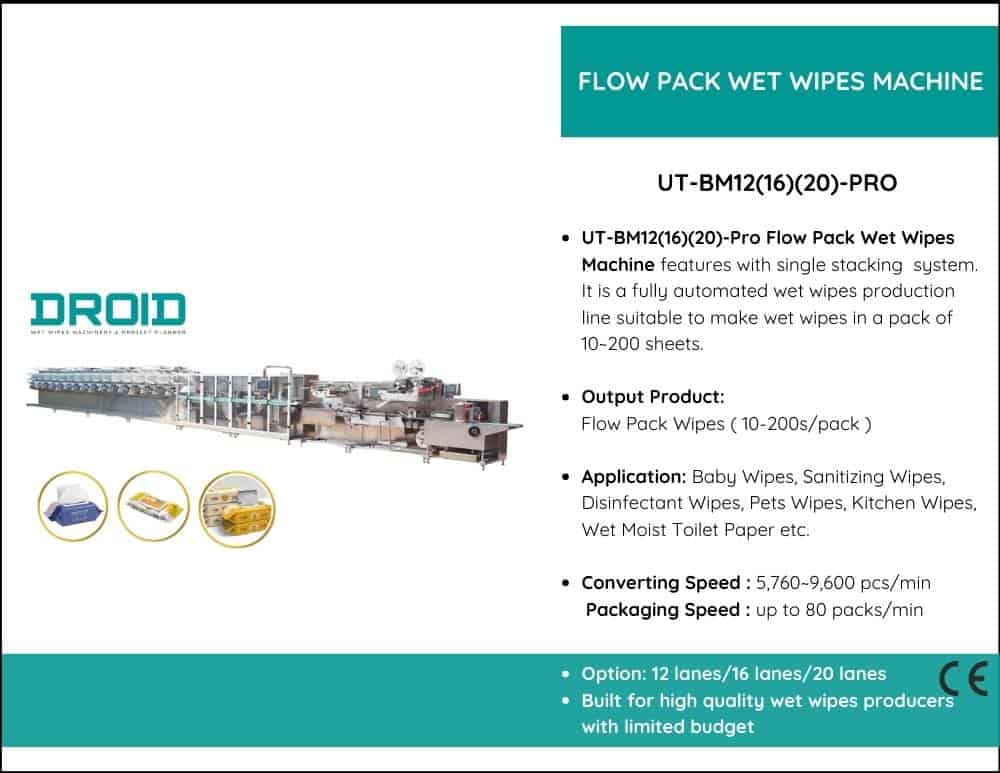
Entry-level motion control systems, lighter frames, or simpler dosing systems are some examples of low-cost wet wipe equipment. These compromises can lead to instability, higher scrap rates, frequent maintenance, and production downtime, significantly increasing lifetime operating costs.

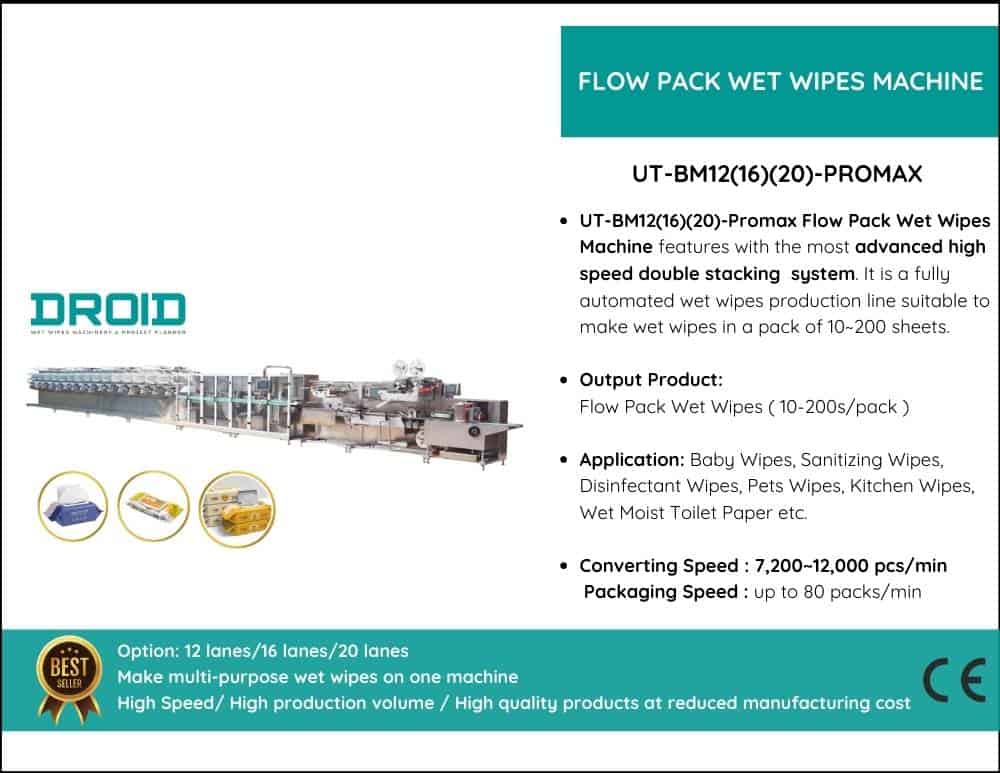
Precise multi-axis synchronization for folding, cutting, dosing, and packing is guaranteed by high-performance motion control. Although using an economical servo series might save money up front, it can also lead to vibration, web drift, and uneven cut length when producing at high speeds for extended periods.

Frame thickness, net machine weight, welding quality, and structural reinforcement should all be considered by buyers. Heavy-duty steel frames enhance long-term stability, minimize vibration, and preserve alignment while operating around the clock.

The cost of materials and product quality are directly impacted by dosage accuracy. Every year, millions of packets may have uneven saturation or significant lotion loss due to even a 3–5% liquid fluctuation, raising the total cost of ownership.

No. Materials that are flushable or lightweight need synchronized servo design and accurate tension control. Not every piece of wet wipes equipment is designed to process ultra-light or 45gsm biodegradable substrates without increasing scrap or breaking webs.

Faster digital transitions boost operational flexibility and save downtime in multi-SKU manufacturing settings. Format change times can be shortened from several hours to less than sixty minutes by machines using saved servo presets.

Wet wipes equipment must comply with CE regulations, electrical safety standards, documented risk assessments, and appropriate technical documentation to be sold internationally. Compliance must be incorporated into the design process, not added later.

Future updates, changes, and troubleshooting might be challenging or costly if the manufacturer does not possess or have access to the PLC source code. Long-term independence and flexibility are guaranteed by engineering ownership.

Buyers should ask running factories for case studies, uptime information, and real-world production references. A machine tested in continuous, round-the-clock production settings delivers more dependable performance than brief factory demonstrations.

Ask For A Quote 

2 + 0 = ?

Contact Form