

Guideline #1: Maintain a Clean and Sanitized Environment
A secure and effective wet wipes manufacturing and production facility must maintain a clean and sanitised environment. A spotless environment reduces the possibility of product contamination and employee illness by preventing the spread of bacteria and other contaminants.
To maintain a clean, sanitary environment, the facility should establish and consistently implement cleaning and sanitation protocols. This may involve the routine cleansing of surfaces, apparatus, and machinery with certified cleaning agents and techniques.
Regular facility inspections should be performed to ensure that cleansing and sanitation protocols are being adhered to and to identify areas for improvement. This may involve sample testing and microbiological analysis to identify potential contamination sources.
Guideline #2: Use of Personal Protective Equipment (PPE)
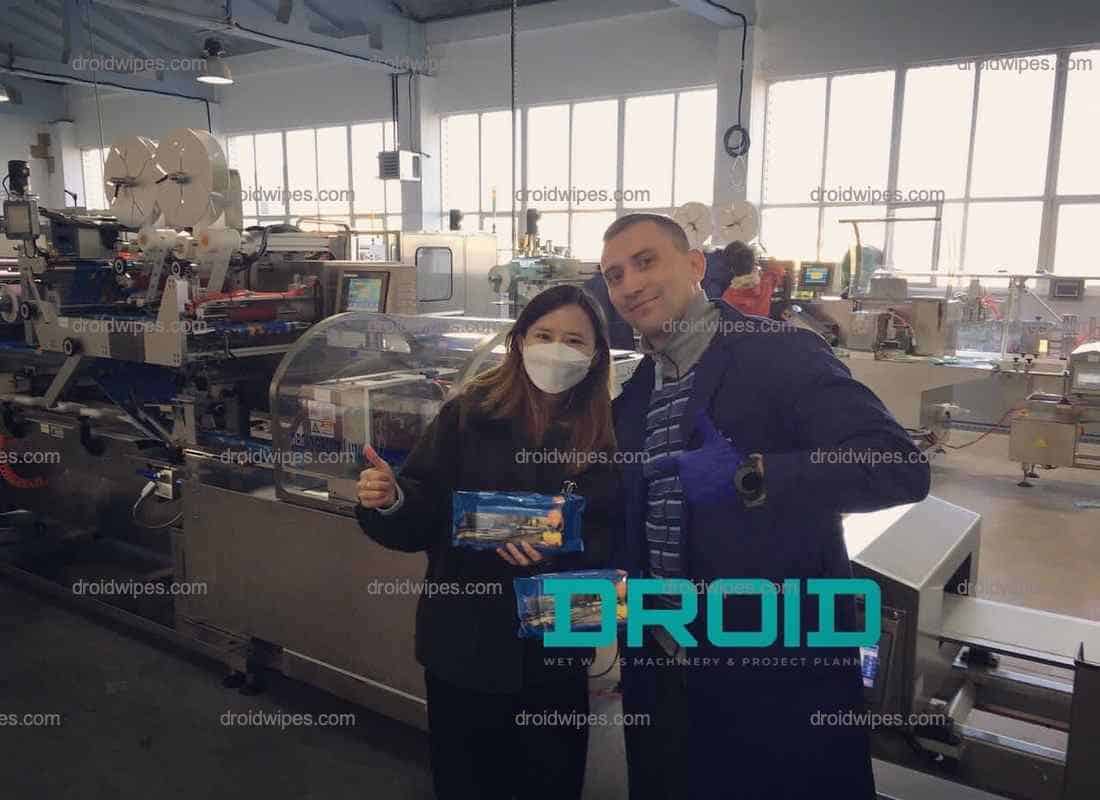
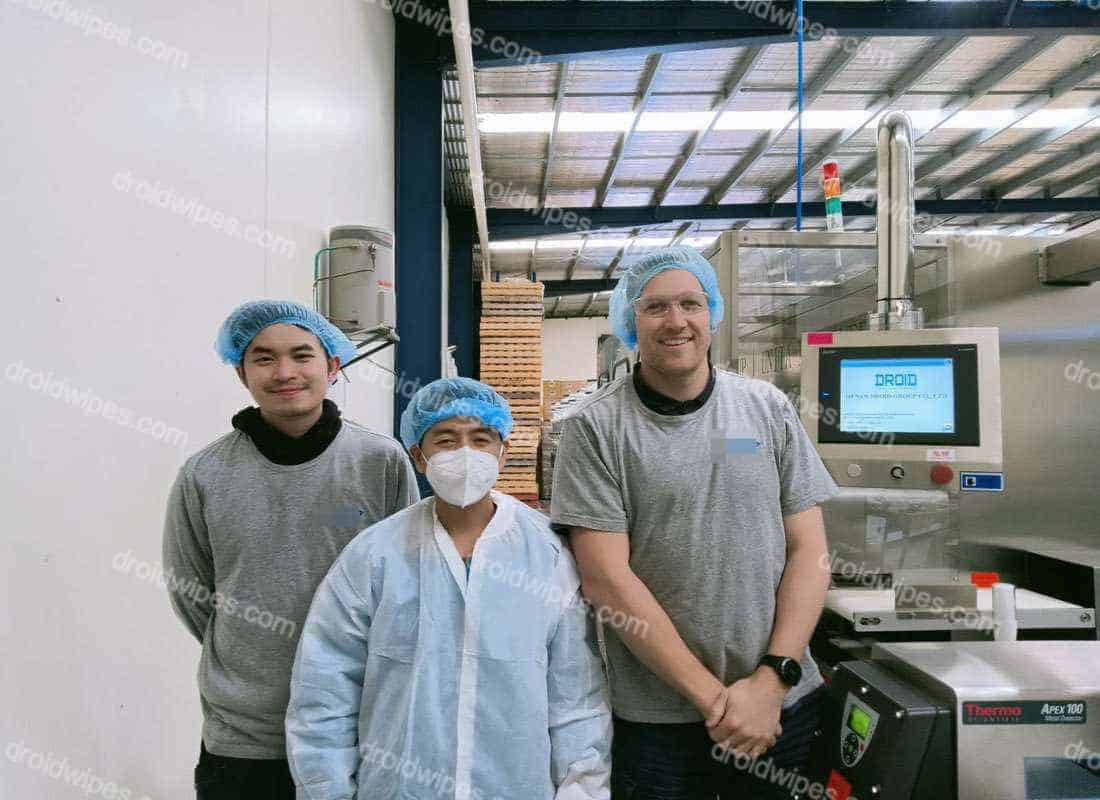
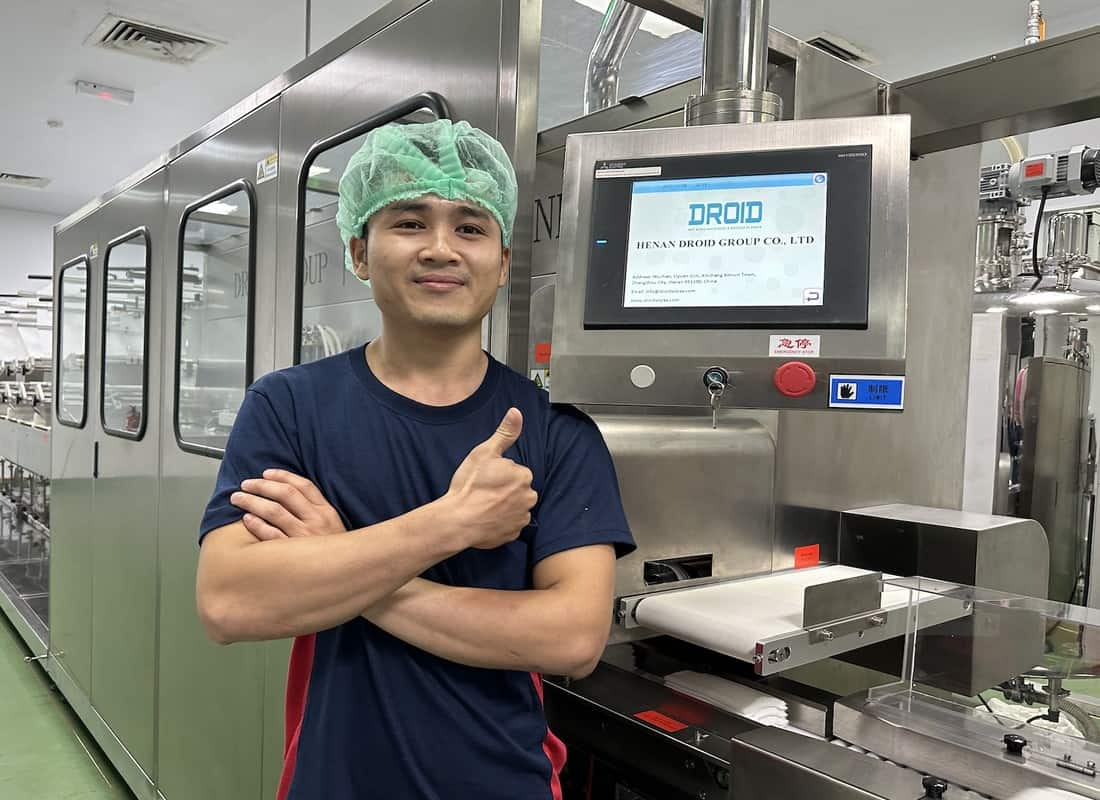
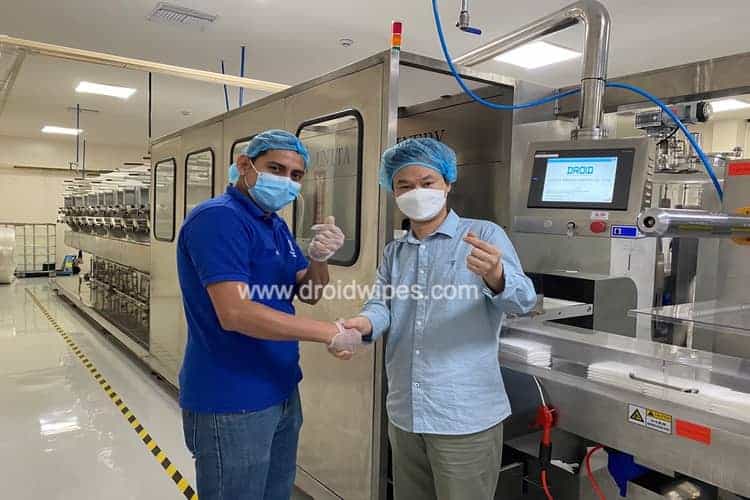
The purpose of PPE is to safeguard workers from exposure to potentially hazardous substances, such as chemicals, dirt, and microorganisms. To prevent the transmission of infection, all employees in the manufacturing facility should be equipped with appropriate PPE. Always wear gloves, masks, and protective gear during the manufacturing process to avoid contamination.
Workers should receive instruction regarding the appropriate use and maintenance of personal protective equipment, including how to wear and remove PPE and dispose of used PPE safely. The PPE should be kept in designated areas far from production areas and must be routinely inspected to guarantee it is in good condition.
In addition to providing personal protective equipment, the workplace should also have procedures to ensure employees consistently and adequately use PPE. This may involve frequent monitoring and enforcement of PPE usage, as well as regular instruction and reminders to foster a safety culture at the workplace.
Guideline #3: Hand Hygiene
Hand hygiene is crucial for preventing the transmission of disease. Employees should receive training on appropriate hand sanitation techniques and be encouraged to practise them throughout the workday.
Hand hygiene includes cleansing hands with soap and water for at least 20 seconds, or using an alcohol-based hand disinfectant in the absence of handwashing facilities. Before and after handling wet wipes, using the washroom, coughing or sneezing, and handling potentially contaminated materials, employees’ hands should be carefully cleansed or sanitised.

Guideline #4: Quality Control
To ensure the safety and effectiveness of wet wipes manufactured at a manufacturing facility, quality control is essential. It includes a series of procedures and processes to guarantee that the final product meets the required quality, safety, and performance standards.
The quality control procedures may include periodic inspection of the wet wipes for microbiological contamination, pH level, and other quality parameters. Each set of products can be sampled and evaluated in a laboratory to guarantee they satisfy the required standards.
In addition to product testing, quality control may include routine inspections of the production facility to ensure that all equipment and apparatus are operating effectively and that proper hygiene and sanitation procedures are in place.
Guideline #5: Proper Waste Disposal
Proper waste disposal is essential to maintaining a safe, sanitary manufacturing and production facility for wet tissues. Improper waste disposal can lead to environmental contamination and pose health risks to employees and the surrounding community.
Sorting waste into categories such as hazardous, nonhazardous, and recyclable waste is the first step in proper waste disposal. Unsafe waste, such as chemicals or contaminated materials, must be kept separate and disposed of in accordance with local regulations.
Nonhazardous waste, such as packaging materials and general manufacturing waste, must also be separated appropriately and disposed of. This could consist of recycling, decomposition, or dispersal in marked waste containers.
Waste containers should be adequately labelled so that employees are aware of the waste’s contents and disposal procedures. To prevent contamination, waste containers should be kept in designated locations far from manufacturing facilities and regularly cleared and cleaned.
To prevent the transmission of infection, proper waste disposal measures must be implemented. Any waste produced during the manufacturing process must be disposed of correctly in the assigned containers.
Guideline #6: Regular Training
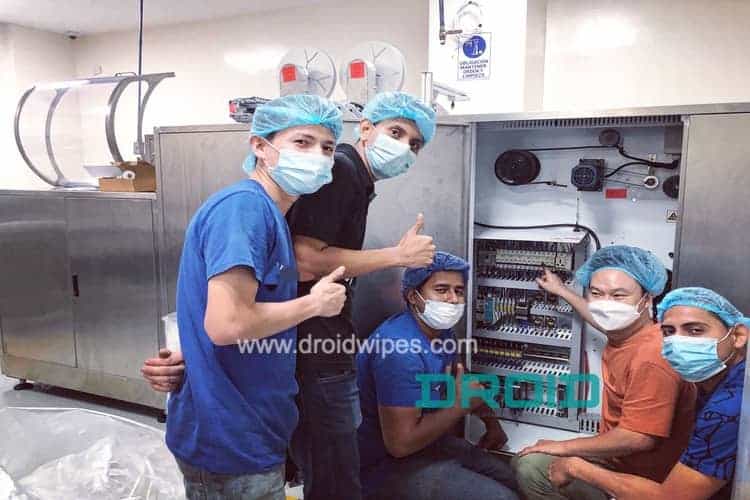
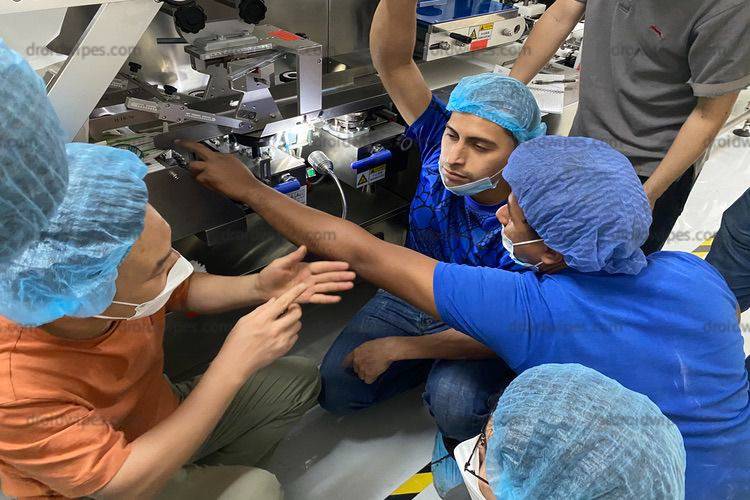
New and existing employees should participate in regular training programs to ensure that they are aware of the latest safety and sanitation regulations. Classroom instruction, on-the-job training, and online training modules are all effective training methods. This includes training on the effective use of personal protective equipment, hand hygiene, and other safety procedures.
Guideline #7: Environmental Monitoring
Environmental monitoring is the process of acquiring and analysing information regarding the physical, chemical, and biological characteristics of the environment. This information is used to assess environmental characteristics and identify potential sources of pollution that may affect human health and the ecosystem.
Regular environmental monitoring must be conducted to ensure the manufacturing facility complies with all applicable regulations. This includes monitoring air and water quality, as well as other environmental parameters.
What are the key safety requirements for a wet wipes manufacturing facility?
Strict hygiene controls, such as cleanroom-style zoning, routine sanitation operations, PPE use, hand hygiene systems, and documented quality control methods, must be maintained in a wet wipes production plant. To avoid contamination and guarantee product safety, adherence to GMP, microbiological testing, and environmental monitoring is crucial.
Why is sanitation so critical in wet wipes production?
Because wet wipes include moisture, poor sanitation can foster the growth of bacteria and other pathogens. To preserve product shelf life, ensure customer safety, and comply with regulations, regulated manufacturing conditions, equipment disinfection, and proper cleaning are essential.
What personal protective equipment (PPE) is required in wet wipes manufacturing?
Common PPE includes gloves, masks, hairnets, protective clothing, and, occasionally, eye protection. PPE shields employees from chemicals and microbes used in the manufacturing of wet wipes, minimizes the chance of cross-contamination, and stops direct contact between operators and goods.
How does hand hygiene impact wet wipes product quality?
One of the best strategies to avoid infection is to practice good hand hygiene. Before and after handling wet wipes, after using the toilet, and while transferring duties, employees must thoroughly wash their hands or use certified sanitizers. One of the main causes of microbial contamination in wet wipes operations is poor hand hygiene.
What quality control tests are required for wet wipes?
Microbiological testing, pH testing, lotion consistency checks, material inspection, and final product audits are common components of quality control. Strong wet wipes quality control also includes regular facility inspections and equipment performance evaluations.
How should waste be handled in a wet wipes manufacturing plant?
Waste needs to be divided into three categories: recyclable, non-recyclable, and hazardous. Local environmental standards must be followed while disposing of hazardous items and chemical waste. Containers for waste should be placed away from manufacturing areas, have legible labels, and be cleaned regularly.
How often should wet wipes factory staff receive safety training?
Training on cleanliness and safety should be provided regularly, not just at onboarding. Employees are kept up to speed on hygienic standards, PPE use, equipment safety, and regulatory changes impacting the production of wet wipes through ongoing refresher training.
What is environmental monitoring in wet wipes production?
Testing the facility’s air and water quality, surface cleanliness, and microbiological levels are all part of environmental monitoring. This ensures compliance with safety, environmental, and hygiene laws while helping detect contamination early.
How does machine design affect hygiene in wet wipes production?
Stainless steel construction, smooth surfaces, easily cleaned layouts, enclosed product routes, and slight manual handling are all features of hygienic wet wipes machines. Effective automation enhances overall sanitation management and lowers the danger of contamination.
What type of wet wipes machines support high safety and sanitation standards?
The highest safety results are achieved with sophisticated automated wet wipes manufacturing lines that include enclosed conversion systems, sanitary packaging modules, and integrated dosage control. In addition to baby wipes, disinfecting wipes, face wipes, pet wipes, and eco-friendly items of reliable quality and compliance, DROID also provides wet wipes machines for high-hygiene settings.
 Izmir, Turkey
  Zhengzhou, China
 Seoul, South Korea
  Delhi, India