• How Wet Wipes Machine Design Affects Cost per Wipe - How Wet Wipes Machine Design Affects Cost per Wipe Efficiency

How Wet Wipes Machine Design Affects Cost per Wipe

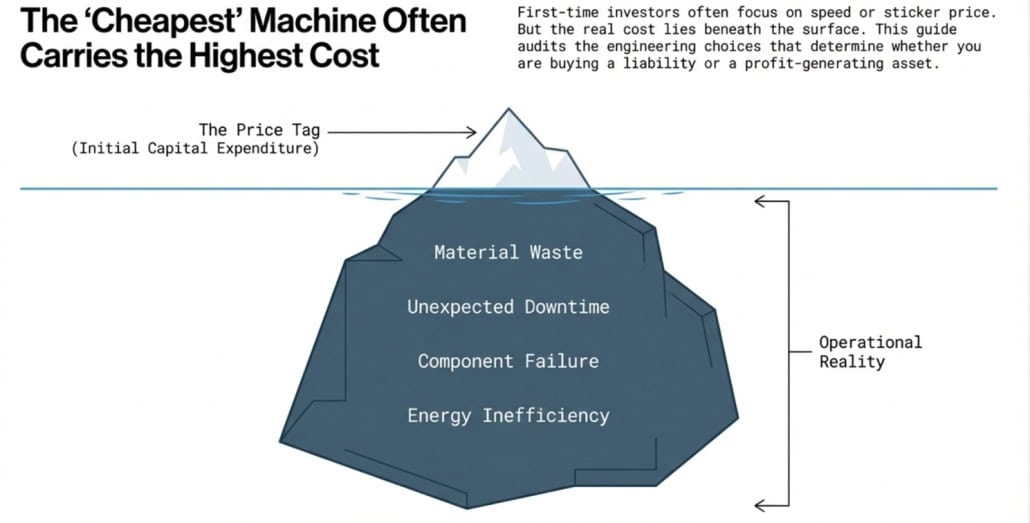
Wet wipes machine design is not just a technical aspect of wet wipe production; it is fundamental to achieving profitability. While many buyers tend to focus on the initial cost of equipment or the promised production speed, the true measure of long-term performance is the cost per wipe.

A well-designed wet wipes machine can ensure consistent product quality, minimize downtime, improve labor efficiency, and significantly reduce material waste. In contrast, poor machine design can lead to hidden costs that accumulate daily.

This article explores how wet wipes machine design directly impacts cost-per-wipe efficiency and outlines key considerations for international buyers before making an investment.

What Is Cost per Wipe and Why It Matters

The cost per wipe is the most crucial parameter in the production of wet wipes, as it reflects the actual cost of making each wipe. This figure encompasses various factors, including raw materials, labor, energy, maintenance, and production losses, rather than just the machine’s price or anticipated output speed. The cost per wipe directly influences your profit margins. A factory with a lower cost per wipe will always have a competitive pricing advantage and higher profitability, even if both facilities use similar machinery.

Small variations in cost can scale dramatically, which is why this measure is so significant. For instance, a mere $0.001 reduction in cost per wipe in high-volume production could lead to annual savings of hundreds of thousands, if not millions, of dollars. Daily factors such as material waste, downtime, and inefficient processes can subtly increase the cost of each wipe. Consequently, experienced manufacturers carefully consider how every design and operational decision impacts long-term unit economics rather than focusing solely on the initial machine cost.

Ultimately, cost per wipe serves as both a strategic and financial indicator. It determines how competitive your product can be in the market, the flexibility of your pricing strategy, and your business’s resilience to rising labor or material costs. By understanding and optimizing cost per wipe, manufacturers can accelerate growth, protect their profit margins, and build a more sustainable long-term business.

Total Cost of Ownership Wet Wipes Machine 1030x523 - How Wet Wipes Machine Design Affects Cost per Wipe Efficiency
Material Utilization: The Hidden Profit Driver

One of the most important, yet often overlooked, factors in the economics of wet wipe production is material usage. Raw materials such as nonwoven fabric, lotion, and packaging film typically account for 60–70% of the total manufacturing cost. This means that even minor inefficiencies in resource utilization can significantly increase the cost per wipe. Issues like overconsumption, rejected products, and excess waste often arise from poor management of cutting precision, folding alignment, or liquid dosing, all of which directly impact profit margins.

Well-designed wet wipe machines, equipped with precise engineering and control systems, can maximize material efficiency. When the web tension is stable, the nonwoven fabric glides smoothly without stretching or drifting. Advanced dosing mechanisms deliver the exact amount of lotion—no more, no less—while accurate servo-driven cutting and folding ensure each wipe has consistent dimensions. Together, these design elements reduce variability and ensure that every wipe meets specifications while minimizing excess material usage.

Optimizing material utilization has significant long-term advantages. Reducing waste leads to more consistent product quality, fewer rejected packages, and lower raw material costs. It also contributes to sustainability, an increasingly important factor for global businesses. Even a small improvement in material efficiency in high-volume production can lead to substantial annual savings and provide a measurable competitive edge.

wet wipes machine manufacturer DROID 2 1 1030x651 - How Wet Wipes Machine Design Affects Cost per Wipe Efficiency

Machine Stability Reduces Downtime Losses

One of the most important elements in maintaining high production efficiency and managing cost per wipe is machine stability. Over the course of a whole production shift, even little disruptions, often referred to as micro-stoppages, can add up to considerable downtime in the wet wipes manufacturing process. Unstable machine design, such as weak frame constructions, uneven motion control, or inadequate component synchronization, is often the source of these disruptions. Even though they may not appear significant on their own, when taken together, they result in decreased productivity, greater worker involvement, and higher operating expenses.

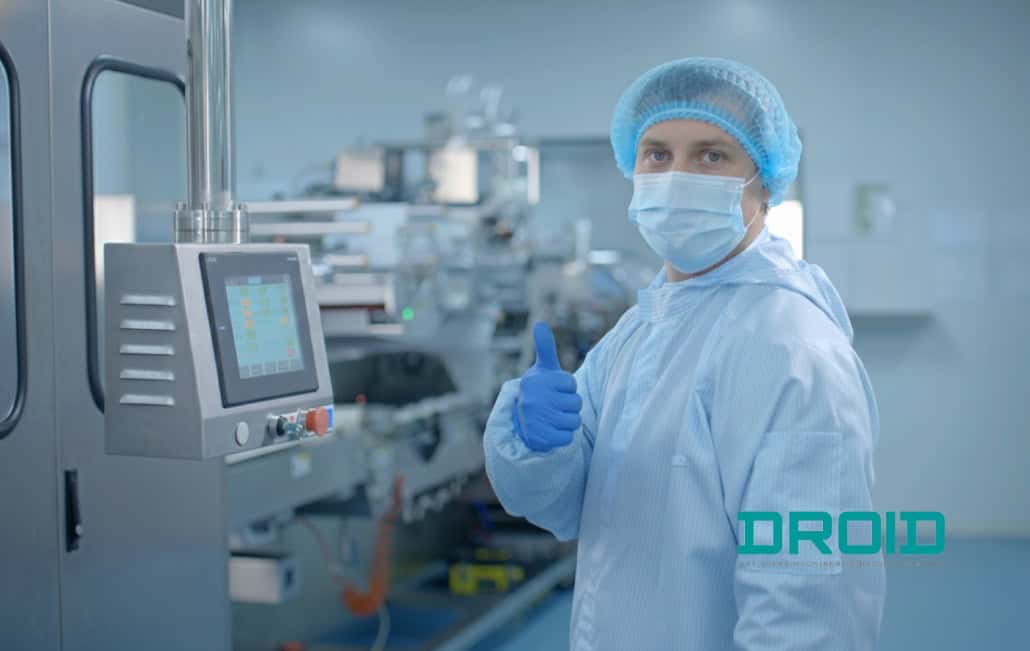
A well-designed wet wipes machine is designed to run steadily and continuously at high speeds. This includes high-performance servo systems that ensure accurate synchronization, stiff machine frames that reduce vibration, and sophisticated control systems that maintain steady performance under a variety of conditions. Without frequent changes, stability enables the machine to operate smoothly at rates like 600–800 cuts per minute. Because of this, operators spend more time sustaining productive production and less time troubleshooting.

Machine stability has significant long-term benefits. Lower maintenance expenses, improved adherence to delivery schedules, and increased effective production capacity are all benefits of reduced downtime. By lowering mechanical stress and wear, it also increases the lifetime of the equipment as a whole. In the end, a reliable machine not only operates more quickly but also more consistently, guaranteeing that each hour of work directly adds to profitability rather than concealed losses.

Wet wipes machine manufacturer 1030x574 - How Wet Wipes Machine Design Affects Cost per Wipe Efficiency

Automation Lowers Labor Cost per Wipe

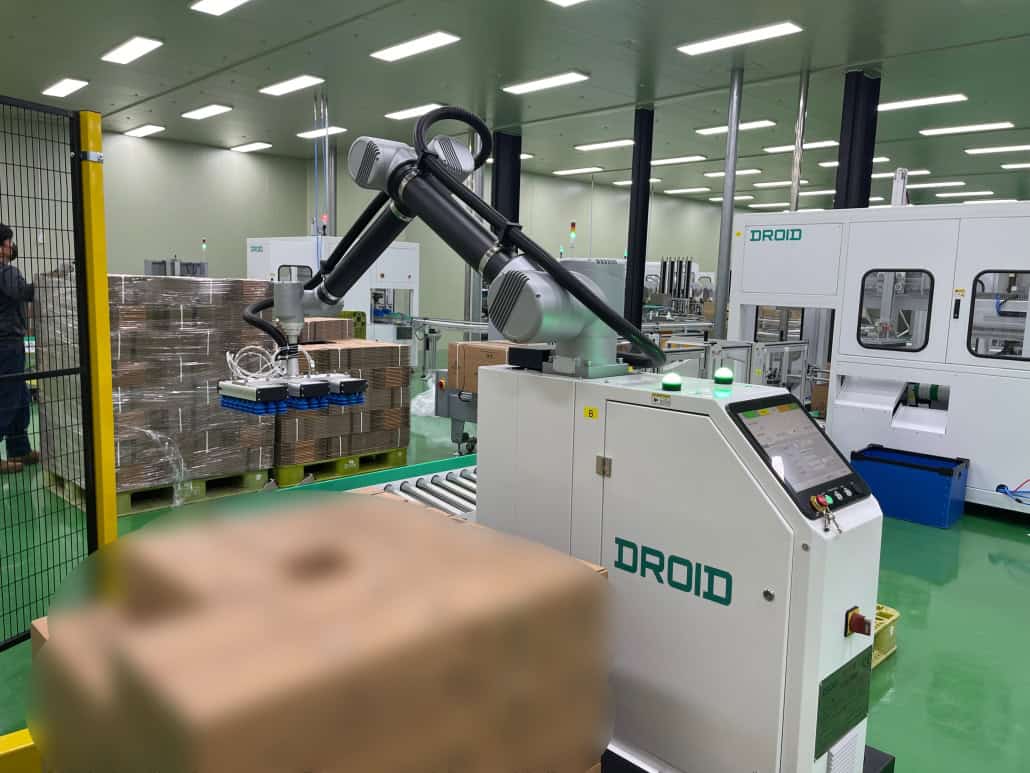
In the production of wet wipes, automation plays a crucial role in reducing labor costs per wipe and enhancing overall operational efficiency. Traditional production setups rely heavily on human involvement for tasks such as material feeding, product handling, packaging, and palletizing. This reliance on manual processes not only increases labor costs but also introduces variability and the potential for human error. As labor prices rise globally, depending on manual labor becomes a significant obstacle to maintaining competitive profit margins.

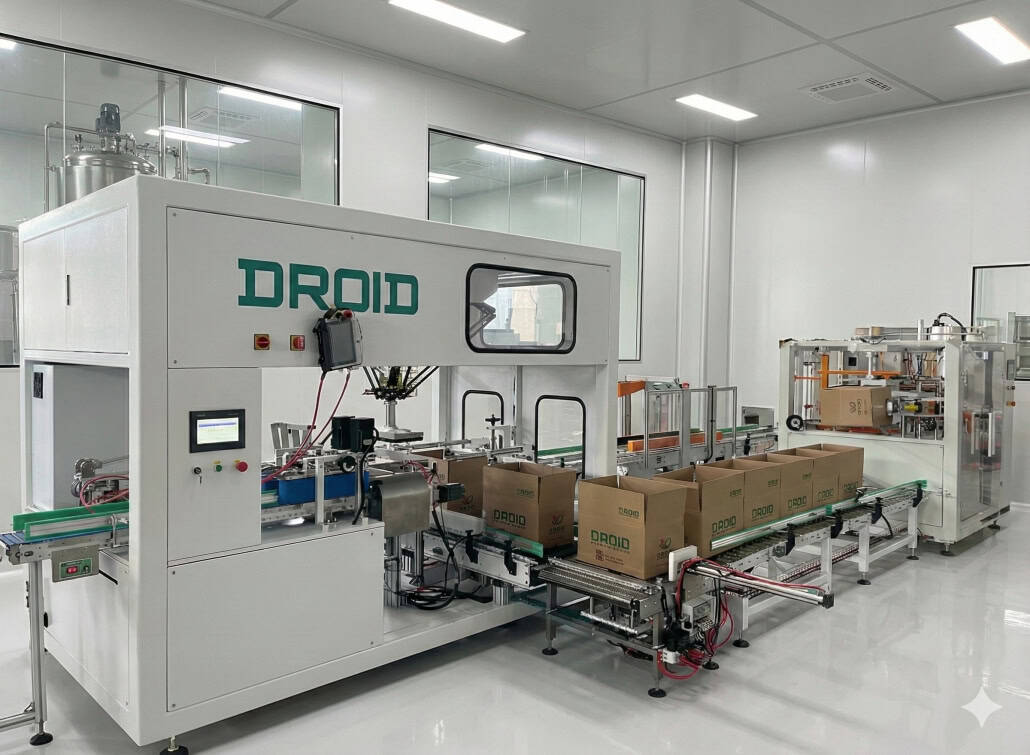
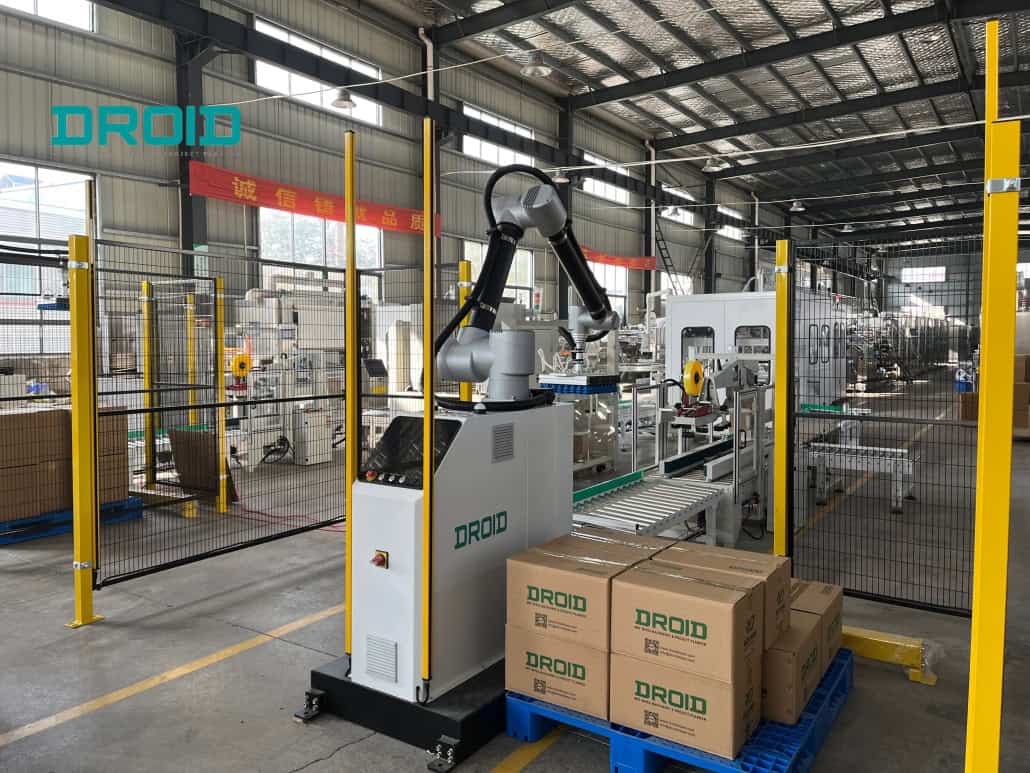
Modern wet wipe machines incorporate integrated automation systems that streamline the entire manufacturing process. These systems minimize the need for human intervention at every step, including automated feeding of nonwovens, precise lotion dosing, high-speed packaging, case packing, and robotic palletizing. With advanced PLC (Programmable Logic Controller) and HMI (Human-Machine Interface) systems, operators can efficiently monitor and manage the whole production line with minimal input, ensuring consistent performance. Automation can often increase production speed and reliability while reducing labor requirements by up to 80–90%.

In addition to cost savings, automation provides long-term strategic advantages. It ensures consistent product quality, reduces dependence on skilled workers, and allows manufacturers to increase output without having to grow their workforce proportionally. Furthermore, by decreasing human contact with fast-moving machinery, automation improves worker safety. Ultimately, automation transforms the manufacturing line into a high-efficiency, scalable system focused on long-term profitability, rather than merely cutting labor costs per wipe.

wet wipes machine manufacturer DROID 1030x755 - How Wet Wipes Machine Design Affects Cost per Wipe Efficiency

Fast Changeover Improves Production Flexibility

A crucial aspect of advanced wet wipes machine design is the ability to change over quickly, which directly impacts the cost per wipe and production flexibility. In today’s market, manufacturers must handle a wide variety of SKUs, including different pack sizes, materials, formulas, and packaging styles. Lengthy human adjustments during these changes can lead to significant production time loss. As a result, the cost per wipe increases, and overall equipment efficiency decreases with each hour spent on changeover.

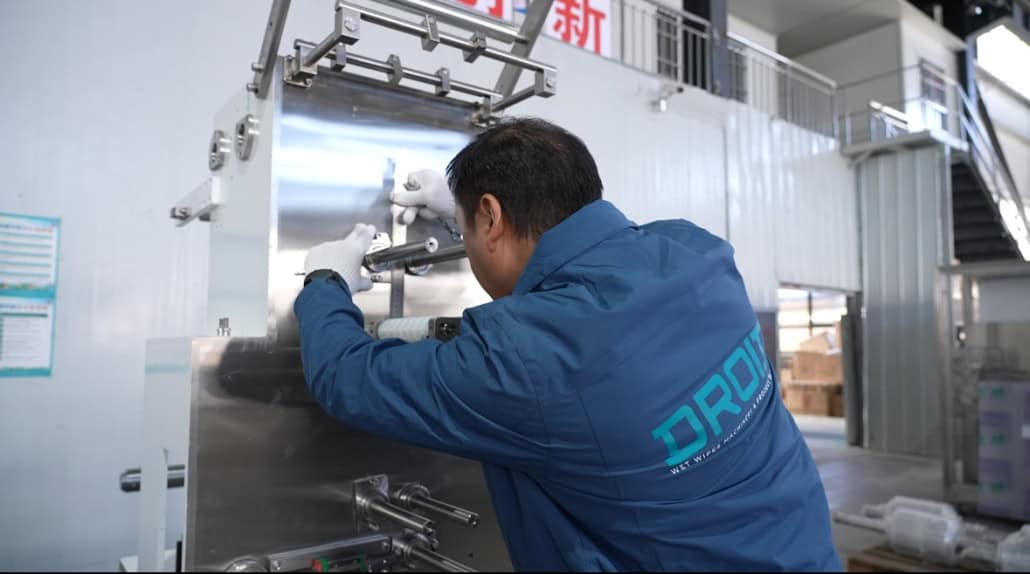
Well-designed machines, through digitization and innovative engineering, enable rapid, repeatable changes. Features such as tool-less mechanical designs, servo-controlled adjustments, and recipe-based parameter presets make it easy to switch between formats. Operators can utilize preset settings to achieve consistent output within 30 to 60 minutes, eliminating the need for trial-and-error manual adjustments. This reduces setup errors and downtime, ensuring consistent product quality from the first batch.

The impact on business operations is substantial. Faster changeovers enable companies to expand their product lines without sacrificing efficiency, manage smaller batch orders, and respond quickly to market demands. With less time lost between manufacturing cycles, overall equipment utilization improves. Thus, fast changeovers transform a production line from an inflexible system into a flexible, profitable asset in a competitive landscape where speed and adaptability are essential.

wet wipes machine manufacturer DROID 4 1030x624 - How Wet Wipes Machine Design Affects Cost per Wipe Efficiency

Integrated Design Minimizes Process Inefficiencies

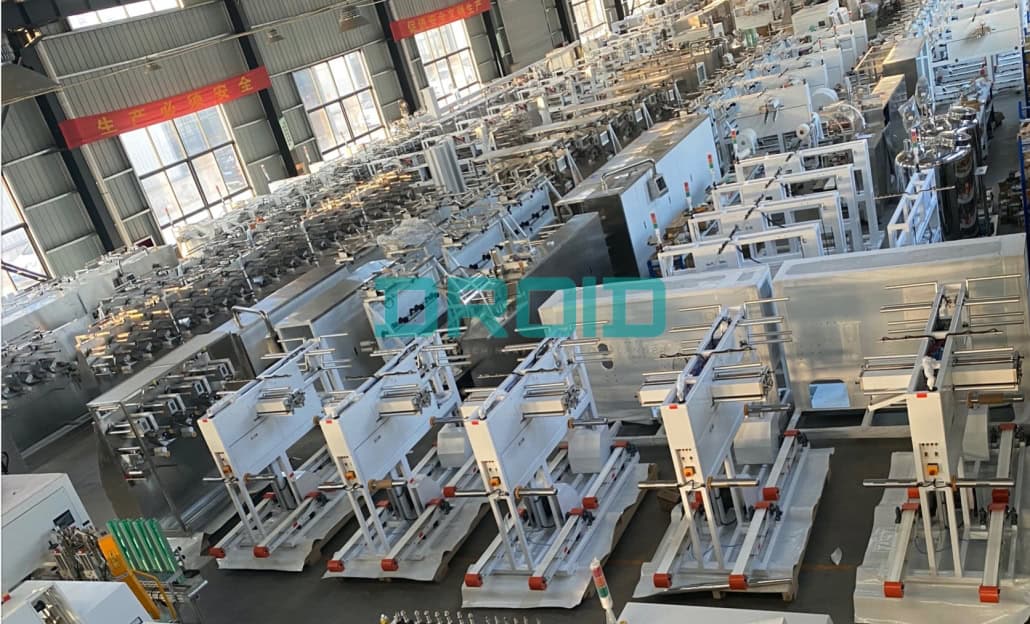
In the production of wet wipes, reducing process inefficiencies and lowering the cost per wipe largely depend on integrated machine design. Inefficiencies are common when manufacturing systems are built as disconnected units, often from various vendors with differing standards. These issues can lead to synchronization problems, uneven material flow, gaps in machine communication, and excessive handling procedures. While each of these concerns may seem minor on its own, together they create waste, delays, and higher operating expenses.

A well-integrated wet wipes manufacturing line connects every step of the process—from water purification and lotion preparation to converting, packaging, case packing, and palletizing—into a smooth, coordinated system. Unified control systems ensure that all components communicate in real time, maintaining consistent speed, tension, and output throughout the entire line. This reduces bottlenecks, eliminates unnecessary human intervention, and ensures that materials flow smoothly and efficiently from one step to the next.

In addition to improving efficiency, integrated design offers long-term benefits. Since the entire system operates under a single logic, it simplifies operations, reduces training requirements, and speeds up troubleshooting. By eliminating compatibility issues between different machines, it also enhances overall reliability. Ultimately, integrated design lowers the total cost of ownership and maximizes revenue by transforming manufacturing from a fragmented process into a cohesive, high-performance operation.

wet wipes machine0 - How Wet Wipes Machine Design Affects Cost per Wipe Efficiency

Precision Engineering Improves Product Consistency

In the production of wet wipes, precision engineering is essential for maintaining consistent product quality, which directly impacts the cost per wipe and the brand’s reputation. Each wipe must meet specific standards regarding size, moisture content, folding style, and packaging integrity. Variations can occur due to imprecise machine design, leading to issues such as uneven cutting, inconsistent folding, incorrect lotion dosage, and poor sealing. These discrepancies can result in higher rejection rates, increased product complaints, and costly rework.

High-precision wet wipe production involves tight mechanical tolerances, precise servo synchronization, and advanced motion control systems. These features ensure that every step—from cutting and folding to liquid application and sealing—is executed with repeatable accuracy. Precision folding mechanics create consistent stacks, while stable dosing systems dispense the exact amount of lotion required. Consequently, even at high production rates, a manufacturing line can produce identical items consistently over time.

The impact of precision engineering extends beyond waste reduction; it fosters customer trust by ensuring a uniform product experience every time a box is opened. Additionally, it helps maintain compliance with global quality standards, reduces return rates, and preserves product integrity during transportation. Overall, precision engineering establishes a reliable, scalable production foundation that supports premium positioning and long-term profitability while also enhancing consistency over time.

wet wipes machine manufacturer DROID 8 1030x773 - How Wet Wipes Machine Design Affects Cost per Wipe Efficiency

Energy Efficiency and Component Quality

The long-term costs per wipe and overall operational reliability of a wet wipes manufacturing line are greatly influenced by energy efficiency and the quality of components used. In high-speed, continuous manufacturing environments, energy consumption plays a crucial role, even though it might seem like a secondary expense compared to raw materials. Inefficient motors, outdated control systems, and poorly planned machine movements can lead to excessive electricity use, which, over time, gradually increases operational costs.

The main goals of advanced machine design are optimized motion control and energy efficiency. Intelligent drive systems, efficient mechanical movements, and high-performance servo motors all minimize unnecessary energy consumption without compromising productivity. Additionally, using globally recognized components ensures stable performance and simplifies maintenance. Reliable parts help eliminate unplanned breakdowns, reduce downtime, and ensure replacement parts are readily available in international markets, thereby avoiding lengthy delays that could disrupt production.

High-quality components not only save money but also enhance the durability and stability of the entire manufacturing line. Machines built with high-quality parts experience less wear and tear over the years of operation, requiring fewer repairs and maintaining consistent performance. In contrast, low-cost parts may lower initial investment but often lead to higher maintenance costs, frequent malfunctions, and unreliable operations. Ultimately, investing in high-quality components and energy-efficient designs is a strategic decision that reduces the total cost of ownership and protects long-term profitability.

wet wipes machine manufacturer DROID 6 1030x773 - How Wet Wipes Machine Design Affects Cost per Wipe Efficiency

Why Machine Design Is a 10-Year Decision

The profitability, productivity, and competitiveness of your manufacturing plant are directly influenced by machine design, which should be viewed as a long-term investment, typically over ten years. A manufacturing line for wet wipes serves as the foundation of your business, unlike short-term expenditures. Every design decision you make, including stability, automation level, component quality, and integration, will impact your daily production, workforce requirements, and cost per wipe for years to come. Therefore, making the right choice from the outset is crucial, as poorly designed equipment can be costly and disruptive to replace or upgrade once it’s installed.

Over time, the differences between well-designed and poorly designed machines become apparent. A high-quality system delivers reliable performance, reduced downtime, efficient material utilization, and quick changeovers, enabling you to scale production and meet market demand easily. In contrast, a lower-spec machine may seem more financially appealing initially, but it often leads to frequent malfunctions, increased waste, greater reliance on manual labor, and ongoing hidden costs. These inefficiencies can accumulate daily, gradually eroding profit margins and making it harder for you to stay competitive.

Ultimately, choosing the right machine design is about investing in a production strategy rather than merely purchasing equipment. A well-designed wet wipes machine ensures consistent performance amid changing market conditions, supports long-term growth, and adapts to new product types. It gives manufacturers the confidence to expand, innovate, and compete on a global scale. For this reason, experienced buyers prioritize lifespan value, total cost of ownership, and sustained efficiency over the next ten years, rather than focusing solely on initial pricing.

Wet Wipes Factory 1030x772 - How Wet Wipes Machine Design Affects Cost per Wipe Efficiency

Key Takeaway for Buyers

When investing in a wet wipes manufacturing line, the most important mindset shift is to see it as buying long-term production efficiency rather than just machinery. The initial purchase cost is only a small part of the overall investment. What truly determines your success is the machine’s daily performance in terms of stability, efficiency, and cost per wipe. Over time, a cheaper machine that wastes resources, requires frequent modifications, or is labor-intensive will quickly become the more expensive option.

Savvy buyers focus on the key principles that drive genuine success. These principles include system integration, automation level, ease of changeover, material usage accuracy, and machine stability at high speeds. Each of these factors directly impacts labor costs, production consistency, downtime, and waste. In simpler terms, they determine whether your manufacturing line operates efficiently and turns a profit, or becomes a continuous source of inefficiencies and hidden losses.

When making investment decisions, it’s essential to consider the total cost of ownership rather than just the initial expenditure. While a well-designed machine may have a higher upfront cost, it typically offers better long-term returns, lower per-wipe costs, and greater reliability. Selecting a machine that maximizes productivity, protects profits, and supports growth over the next ten years—not just the next ten months—is a clear objective for serious manufacturers.

20943665 1030x1030 - How Wet Wipes Machine Design Affects Cost per Wipe Efficiency

Cost per wipe refers to the total production cost divided by the number of wipes produced, including materials, labor, and operational expenses.

Better machine design reduces waste, downtime, and labor, directly lowering the cost per wipe.

Stable machinery increases productivity and lowers losses by minimizing downtime and guaranteeing steady output.

Automation reduces labor dependency, increases consistency, and enhances overall production speed.

Waste is reduced by efficient resource use, which dramatically decreases manufacturing costs.

Faster changeovers reduce downtime and allow manufacturers to handle more orders efficiently.

Not always. Higher long-term operating costs can sometimes result from lower initial costs.

By ensuring constant product quality, precision engineering lowers returns and failures.

TCO includes not just the purchase price but all expenses incurred over the machine’s lifetime.

In addition to initial cost, buyers should consider stability, automation, efficiency, and long-term cost per wipe.

Ask For A Quote 

2 + 6 = ?

Contact Form