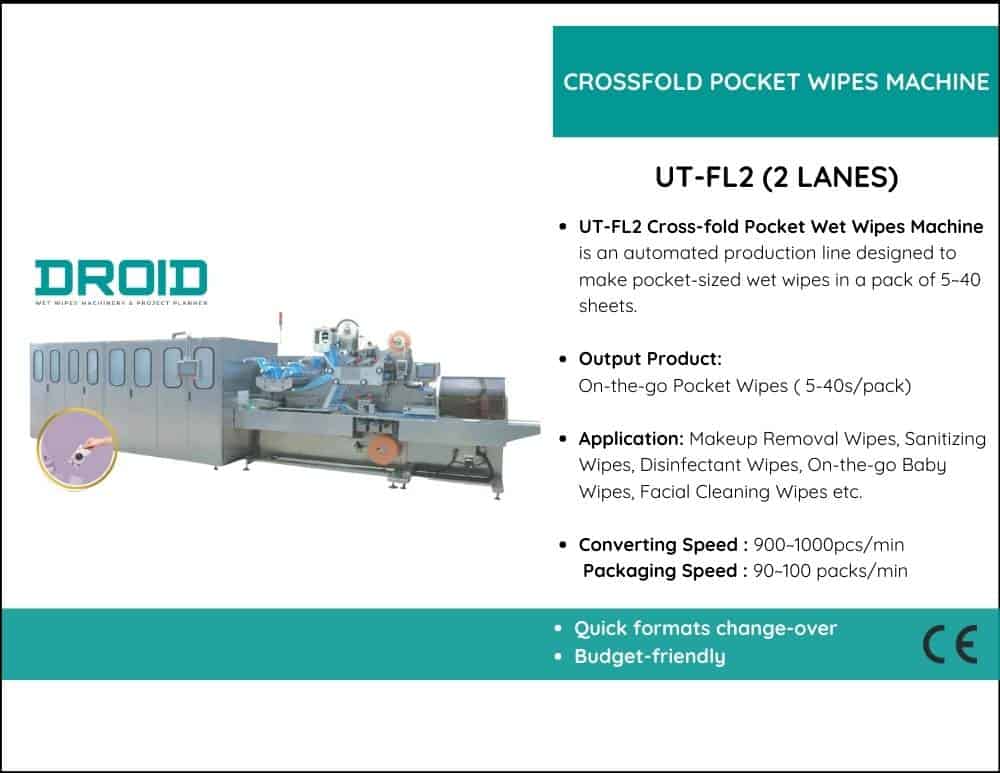
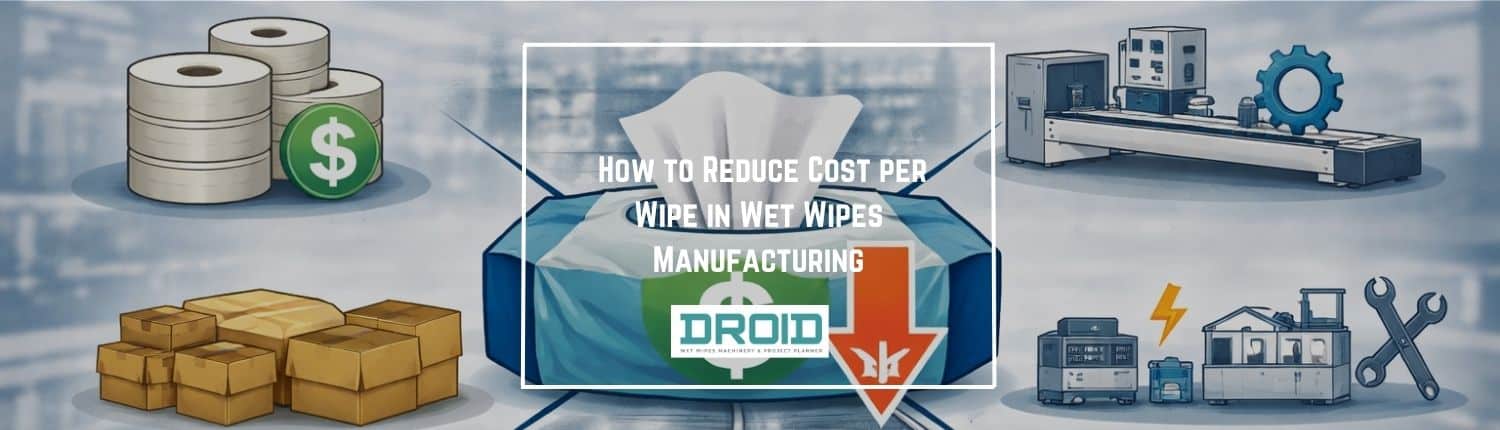
• How to Reduce Cost per Wipe in Wet Wipes Manufacturing - How to Reduce Cost per Wipe in Wet Wipes Manufacturing

How to Reduce Cost per Wipe in Wet Wipes Manufacturing

Controlling the cost per wipe has emerged as one of the most important factors influencing the profitability of wet wipe producers in the fiercely competitive hygiene goods industry. The true competitive edge often comes from boosting manufacturing efficiency and cutting production costs without sacrificing product quality, even though many businesses prioritize growing sales volume.

A systematic strategy that includes maximizing raw material use, increasing machine efficiency, managing energy use, and reducing operational waste is necessary to lower the cost per wipe. Manufacturers can significantly boost profit margins while maintaining consistent product performance when these variables are properly controlled.

This article examines proven tactics that wet wipe producers can use to reduce manufacturing costs and boost long-term competitiveness.
Optimize Raw Material Utilization

The most expensive part of making wet wipes is raw materials, which can account for more than half of the overall production cost. Plastic lids, packaging film, chemical solutions, and nonwoven fabric are the primary contributors.

A key factor in lowering the cost per wipe is the effective use of these materials. To ensure the cloth is used effectively without unnecessary trimming or waste, manufacturers should ensure cutting devices are accurately calibrated. Modern wet wipes with precise tension control and servo-driven cutting systems save material waste and help maintain uniform wipe dimensions.

Additionally, while preserving product performance, improving the liquid solution’s composition helps reduce unnecessary chemical use. Manufacturers may achieve more consistent manufacturing output and drastically reduce raw material waste by closely monitoring material consumption and managing dosage precision.

wet wipes machine manufacturer DROID 1030x755 - How to Reduce Cost per Wipe in Wet Wipes Manufacturing
Improve Production Efficiency

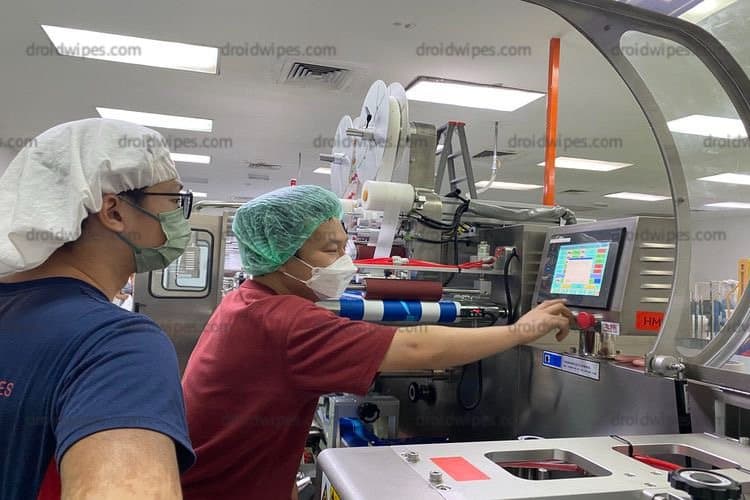
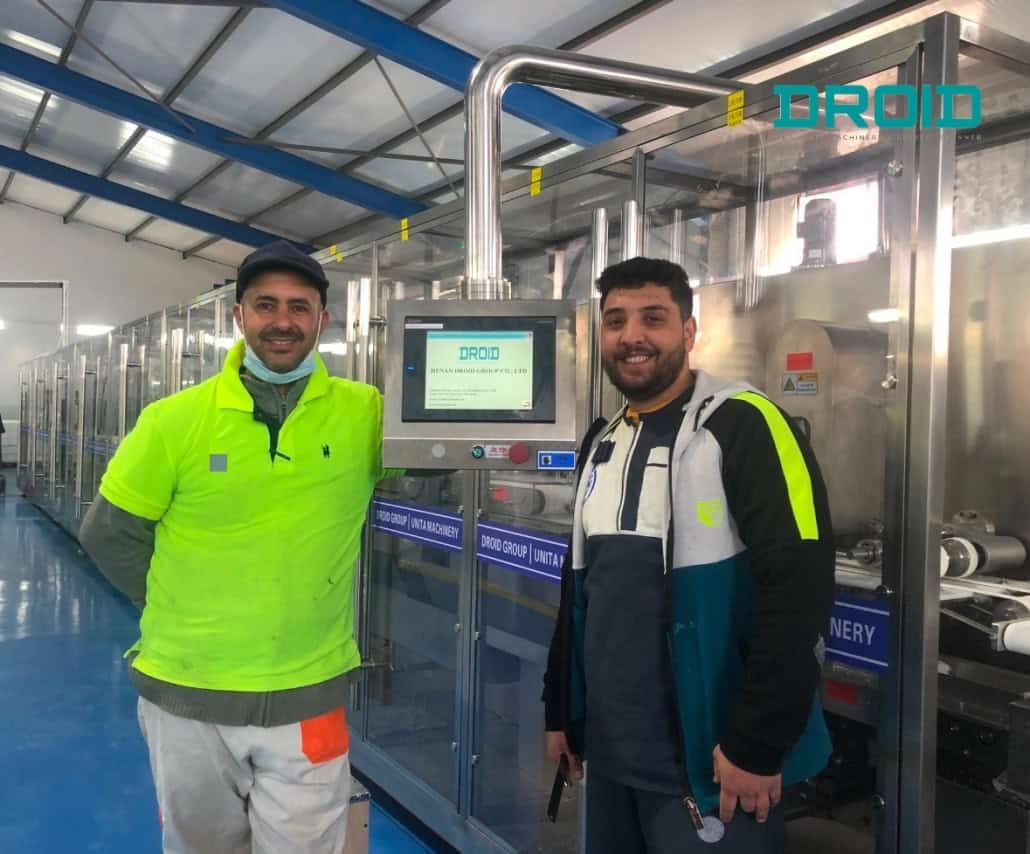
The whole cost structure of producing wet wipes is directly impacted by production efficiency. The fixed expenses for personnel, power, and factory overhead are spread over a higher output volume when machines run at steady, high rates with no downtime, which lowers the cost per wipe.

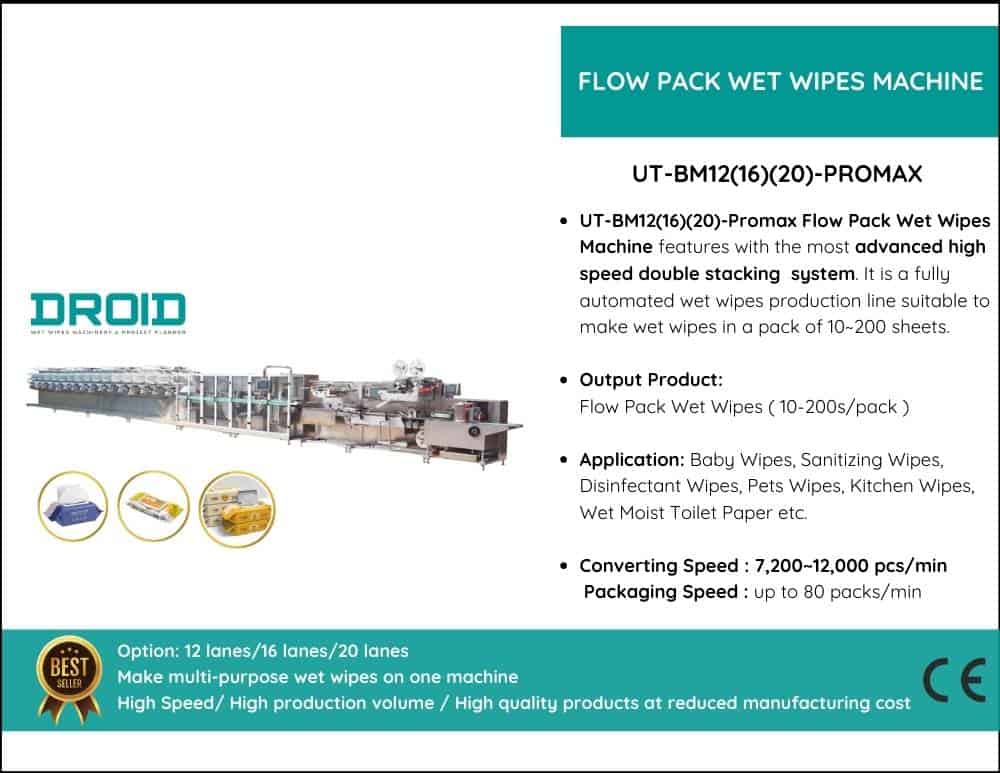
Modern wet wipes manufacturing lines use automatic synchronization between multiple machine modules and sophisticated motion-control systems to ensure high efficiency. Features like digital production monitoring, automated roll splicing, and efficient folding processes ensure continuous operation without frequent stops.

Additionally, consistent machine performance lowers rejection rates and enhances product homogeneity. Manufacturers may save operating expenses and increase production by keeping line speeds steady and eliminating disruptions.

wet wipes machine manufacturer DROID 9 1030x854 - How to Reduce Cost per Wipe in Wet Wipes Manufacturing

Reduce Material Waste During Production

If manufacturing waste is poorly managed, production costs might rise dramatically. Inconsistent liquid dosing, improper folding alignment, and fabric flaws may result in rejected goods that can’t be sold.

By implementing real-time monitoring systems, producers can promptly identify anomalies and make necessary corrections before significant waste occurs. Throughout the manufacturing process, sophisticated quality control sensors can monitor fabric tension, folding precision, and packing integrity.

Another crucial factor in cutting waste is regular equipment maintenance. To maintain excellent production yields and minimize unnecessary material waste, well-maintained equipment ensures steady operation, precise cutting, and uniform dosing.

wet wipes machine DROID0 1030x749 - How to Reduce Cost per Wipe in Wet Wipes Manufacturing

Optimize Energy Consumption

Another significant factor affecting the cost-effectiveness of wet wipe production is energy use. Motors, heating systems, compressors, and liquid preparation machines influence the manufacturing facility’s total energy consumption.

Electricity consumption may be decreased without compromising production capacity by using sophisticated control systems and energy-efficient motors. Compared to conventional mechanical systems, modern servo-driven machines are more precise and stable while using less energy.

Enhancing energy efficiency also involves maintaining air compressors, lubricating systems, and mechanical parts. Equipment uses less energy to maintain peak performance when it runs smoothly and encounters little friction or mechanical resistance.

wet wipes machine manufacturer DROID 2 1030x602 - How to Reduce Cost per Wipe in Wet Wipes Manufacturing

Automate Packaging and Handling Processes

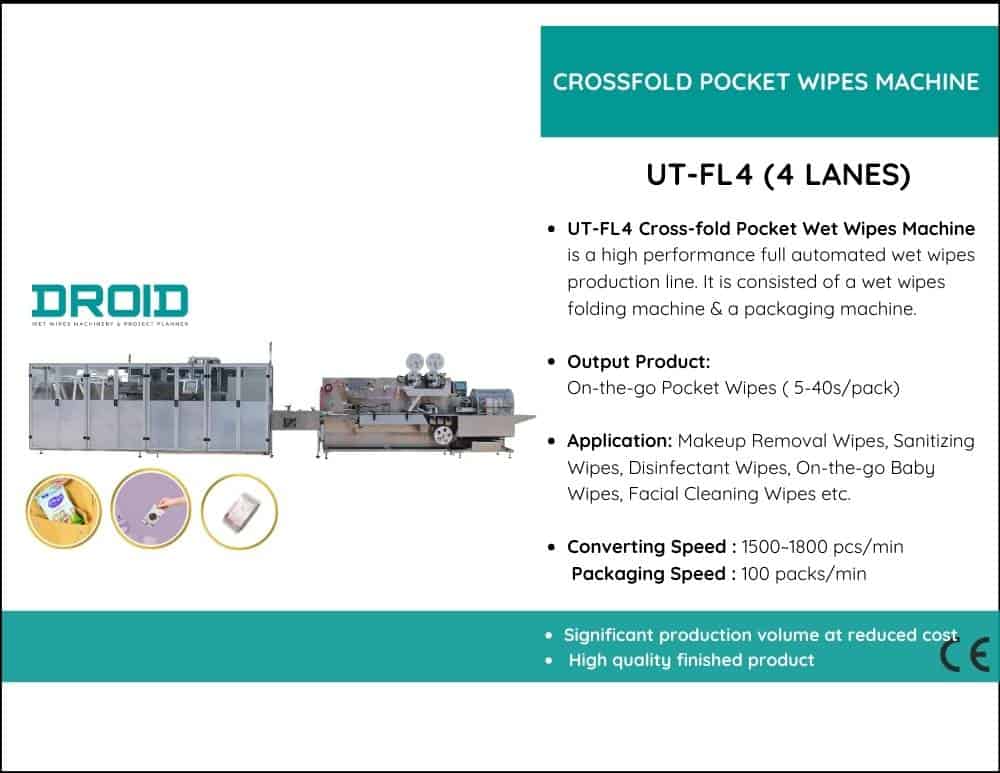
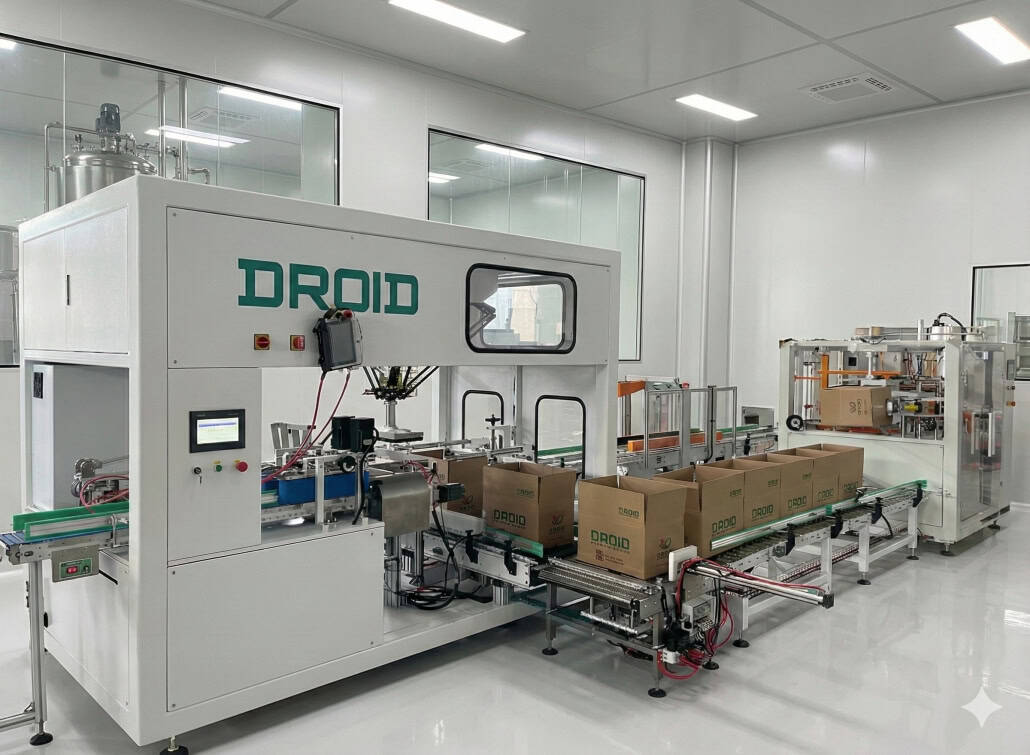
Automation is becoming a crucial component of modern wet wipe manufacturing. Automated packing solutions may increase production speed and precision while drastically lowering workforce needs.

Palletizing technologies, automated case packers, and robotic lid applicators all help streamline downstream packing procedures. These technologies ensure uniform product display, reduce human involvement, and reduce packaging errors.

Automation not only reduces labor costs but also improves overall production efficiency by preserving a continuous workflow between the packing line and the wet wipes machine. The manufacturing process’s total throughput is increased, and bottlenecks are reduced thanks to this integration.

wet wipes machine manufacturer DROID 2 1 1030x651 - How to Reduce Cost per Wipe in Wet Wipes Manufacturing

Improve Supply Chain and Bulk Purchasing

Optimizing supply chain management and raw material procurement is another effective way to reduce the cost per wipe. Larger purchases of chemical ingredients, packaging film, and nonwoven fabric can sometimes enable businesses to negotiate lower prices with suppliers.

The availability of materials and price stability are also enhanced by establishing enduring relationships with dependable suppliers. Manufacturers may prevent abrupt price swings and guarantee continuous production by implementing regular supply agreements.

Cost reduction is further aided by effective inventory management. Both overstocking and manufacturing delays brought on by material shortages can be avoided by maintaining ideal stock levels.

wet wipes machine0 - How to Reduce Cost per Wipe in Wet Wipes Manufacturing

Invest in Reliable Wet Wipes Machinery

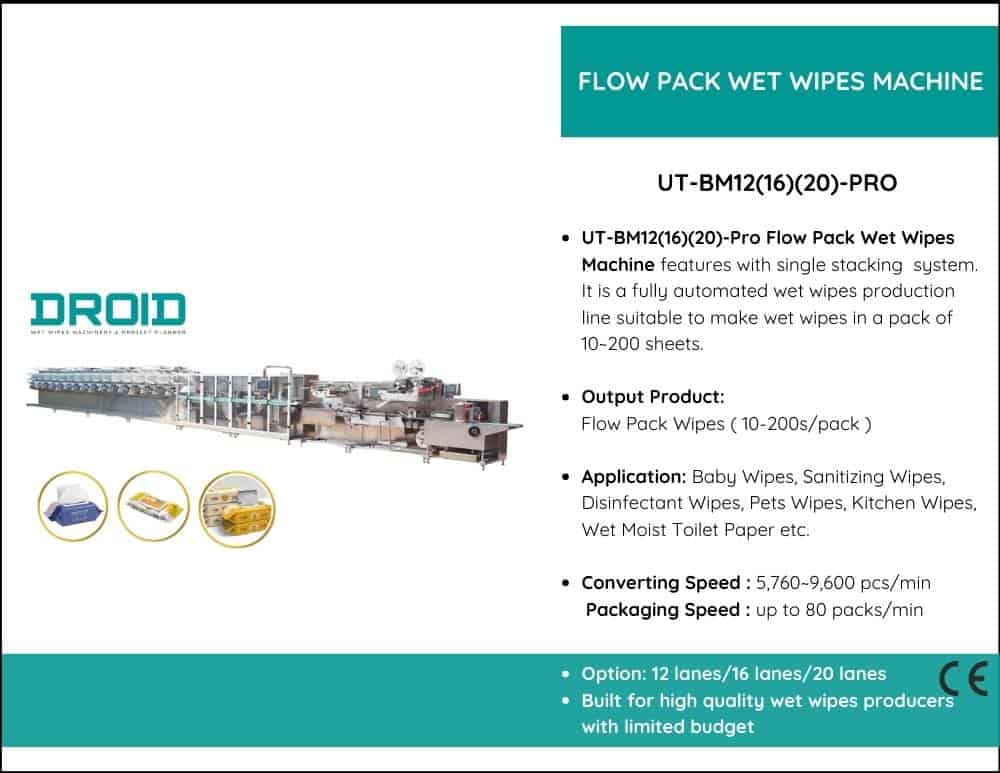
Long-term manufacturing costs are significantly influenced by the quality and technical design of the wet wipes machine. Over time, machines with accurate dosing technologies, sophisticated automation systems, and robust mechanical constructions often run more smoothly and need less maintenance.

Because of their greater reliability, faster output rates, and less downtime, premium machines can result in a lower overall cost per wipe, even if they require a larger initial investment. Manufacturers can increase long-term production efficiency and profitability by prioritizing machine stability and technical quality.

wet wipes machine4 - How to Reduce Cost per Wipe in Wet Wipes Manufacturing

The overall cost of manufacturing a single wet wipe, including labor, raw materials, utilities, packaging, and machine operating expenses, is referred to as the “cost per wipe.”

The majority of production costs are made up of raw materials, particularly nonwoven fabric and chemical solutions.

By using precision cutting systems, precise dosing equipment, and real-time monitoring technology that identifies production abnormalities, manufacturers may decrease waste.

Yes. Increased manufacturing output from higher, more consistent machine speeds reduces the cost per wipe by spreading fixed expenses across more units.

Automation ensures continuous production efficiency, reduces labor costs, and improves package accuracy.

Electricity usage and operating costs are decreased via energy-efficient machinery and streamlined production operations.

Indeed. Long-term supplier relationships and bulk purchases help stabilize supply and reduce raw-material costs.

High-quality equipment lowers the long-term cost per wipe by reducing downtime, maintenance costs, and production waste.

Frequent maintenance reduces production losses, guarantees steady machine operation, and stops unplanned malfunctions.

Over time, reduced production costs and more profitability are often the outcome of a machine with a higher initial cost but greater dependability and efficiency.

Ask For A Quote 

3 + 0 = ?

Contact Form