• How to Improve Profit Margins in Wet Wipes Manufacturing - How to Improve Profit Margins in Wet Wipes Manufacturing

How to Improve Profit Margins in Wet Wipes Manufacturing

Enhancing profit margins in the fiercely competitive hygiene industry, particularly in wet wipe production, demands a comprehensive approach that goes beyond mere sales growth. It involves meticulously refining every facet of the business operations. Successful manufacturers focus on strategically minimizing the cost per wipe while ensuring consistently high product quality and compliance with strict regulatory standards. This endeavor spans various domains, from the efficient management of raw materials to optimizing machine performance and strategically positioning products in the market.

This article delves into the most effective strategies that can empower wet wipes manufacturers to not only improve their profitability but also achieve long-term sustainability. By embracing these tactics, wet wipes manufacturers can navigate the industry’s complexities and establish a robust framework for success.

Optimize Raw Material Utilization

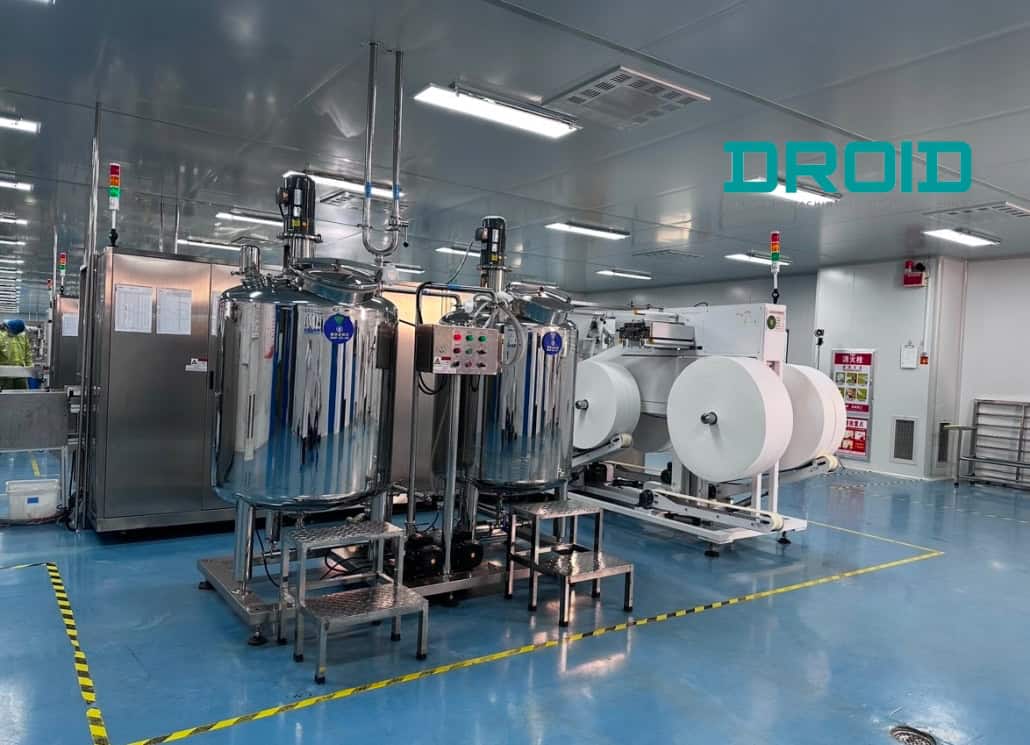
Wet wipes raw materials play a crucial role in wet wipe production, making their effective use key to boosting profit margins. The cost of each wipe mainly depends on materials such as nonwoven fabric, lotion, packaging film, and plastic lids. Even tiny missteps, like cutting irregularities or using too much lotion, can lead to noticeable financial losses when scaled up. By embracing precise control systems and consistent practices, manufacturers can ensure every bit of material is used efficiently while maintaining product quality.

Integrating automation and advanced equipment is vital for optimizing material use. Modern wet wipes production lines feature high-precision dosing systems, tension control, and servo-driven cutting devices that minimize waste during operation. For example, accurate lotion application technologies help maintain tight tolerances, preventing oversaturation and ensuring that each wipe is uniformly moist. Additionally, effective folding and cutting techniques maximize yield from each roll of nonwoven fabric by reducing edge waste and misalignment.

Choosing the right materials is not only about cost and efficiency but also about smart process management. Manufacturers can explore alternative materials or lighter substrates that uphold product quality while cutting consumption. This approach requires adaptable equipment that can seamlessly handle a range of materials without sacrificing speed or stability. By aligning material choices with machine capabilities and consistently tracking production data, manufacturers can achieve a balance among cost reduction, product quality, and operational efficiency, paving the way for enhanced profit margins. Let’s embrace these advancements together for a more sustainable future!

wet wipes machine manufacturer DROID 5 1030x745 - How to Improve Profit Margins in Wet Wipes Manufacturing
Invest in High-Efficiency Wet Wipes Machines

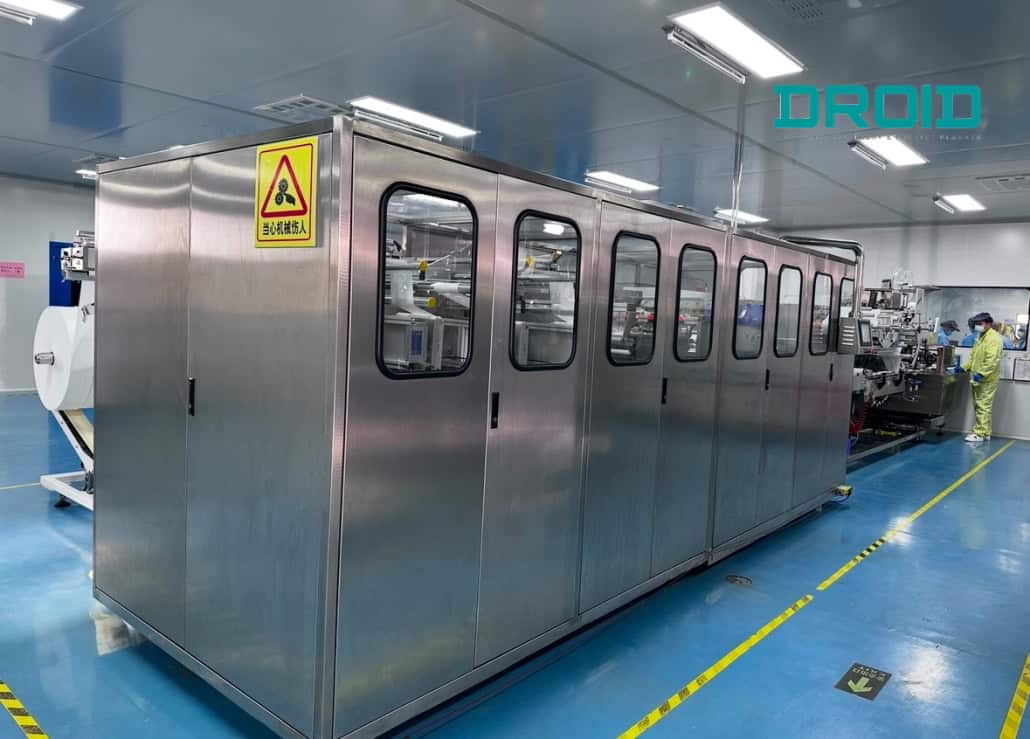
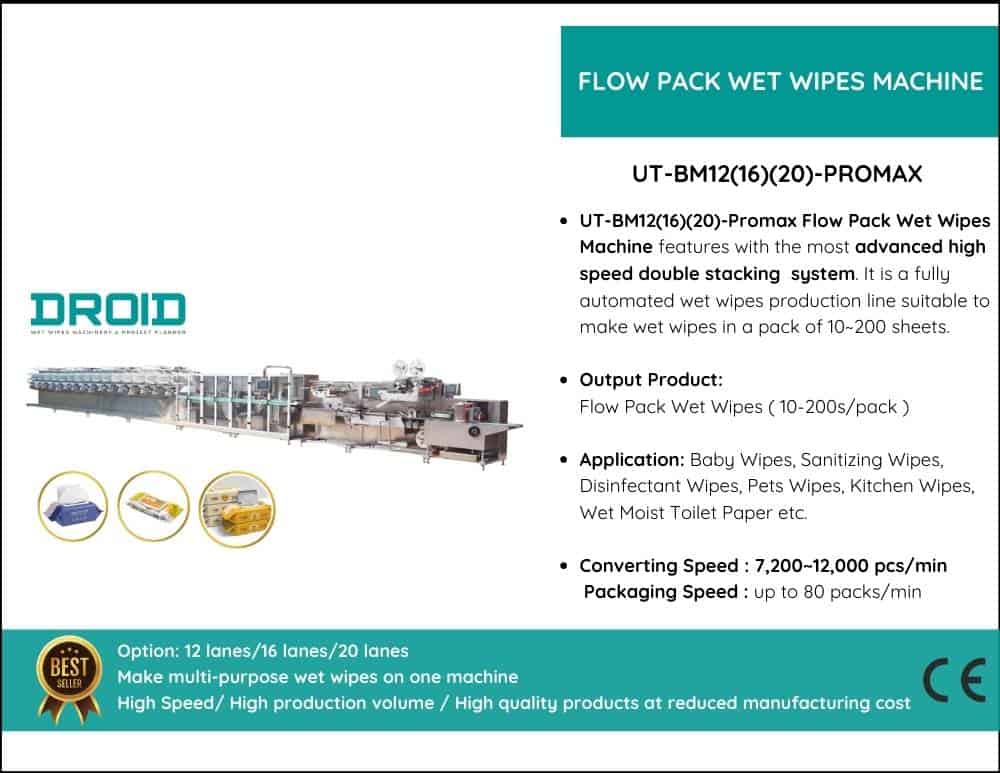
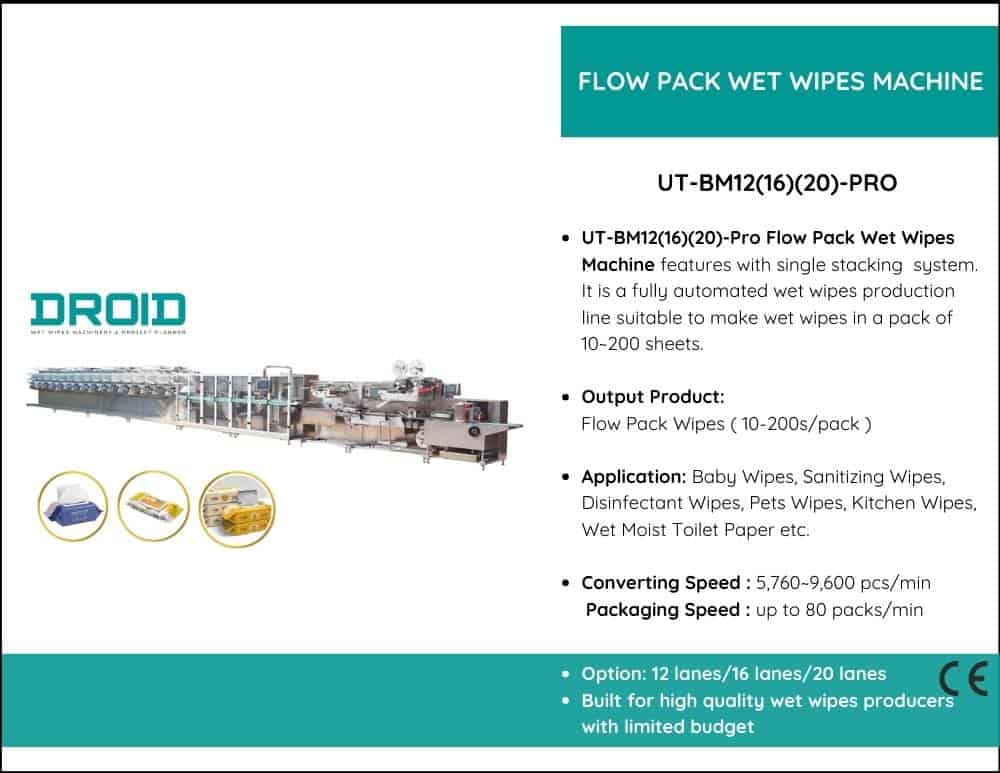
Purchasing high-efficiency wet wipes is one of the most effective strategies for increasing profit margins. The cost per wipe is directly influenced by production efficiency; machines that operate more quickly, reliably, and with fewer disruptions can significantly boost output without raising labor or overhead costs. Production lines for high-performance wet wipes are designed to operate at consistently high rates without sacrificing accuracy, enabling manufacturers to produce more marketable goods in the same amount of time.

To optimize every stage of production, from unwinding and cutting to folding and packaging, modern wet wipes machines utilize advanced motion control systems, servo-driven technology, and smart PLC automation. These technologies ensure seamless synchronization across the entire production line, reducing errors and mechanical stress. Manufacturers benefit from lower rejection rates, improved product uniformity, and reduced need for human intervention, all of which help lower operating costs and increase efficiency.

While speed is important, machine stability and reliability are equally crucial. A high-efficiency machine not only delivers peak performance but also maintains steady output over extended production cycles with minimal downtime. Strong mechanical structures, high-quality components, and well-designed systems help to prevent vibration, misalignment, and unexpected malfunctions. Ultimately, this leads to higher returns on investment and long-term profitability by reducing maintenance costs, extending equipment lifespans, and creating more predictable production environments.

wet wipes machine manufacturer DROID 3 1030x739 - How to Improve Profit Margins in Wet Wipes Manufacturing

Reduce Unplanned Downtime

One of the biggest factors affecting the profitability of wet wipes manufacturing is unplanned downtime. Every unexpected halt disrupts the production flow, increases the cost per wipe, and can lead to material waste, especially if packaging materials or partially processed wipes need to be discarded. Even brief interruptions can accumulate to significant losses over time in high-speed manufacturing environments. Therefore, minimizing downtime is critical not only for economic reasons but also as a key maintenance goal.

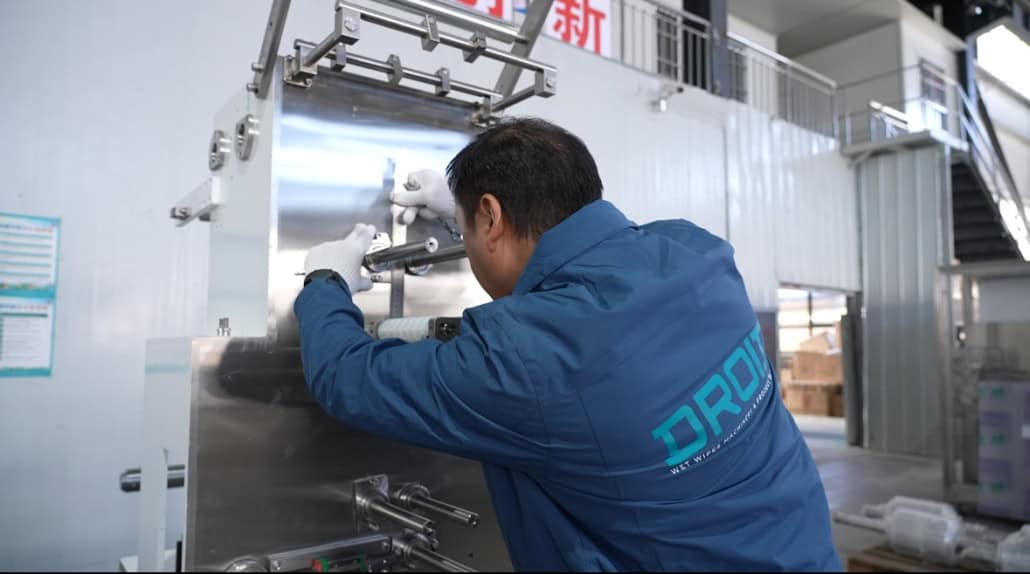
The main causes of unscheduled downtime often include mechanical instability, poor-quality parts, inadequate maintenance, and a lack of expert support. Machines that rely on inconsistent parts or have subpar structural design are more prone to issues like vibration, misalignment, and wear. To mitigate these risks, manufacturers should prioritize equipment with sturdy frames, high-quality motion control systems, and globally recognized components. Implementing preventive maintenance programs, such as regular inspections, lubrication schedules, and timely replacement of worn components, is also essential for keeping machinery running smoothly.

Additionally, having a strong support network is vital for resolving problems quickly. Access to skilled engineers, readily available replacement parts, and remote diagnostic tools can significantly reduce recovery times when issues arise. Implementing real-time monitoring systems can help identify anomalies before they escalate into major breakdowns. By combining reliable equipment, proactive maintenance, and swift technical support, manufacturers can maintain consistent, high-efficiency output while drastically reducing unexpected downtime.

Wet wipes machine manufacturer 1030x574 - How to Improve Profit Margins in Wet Wipes Manufacturing

Improve Production Efficiency Through Automation

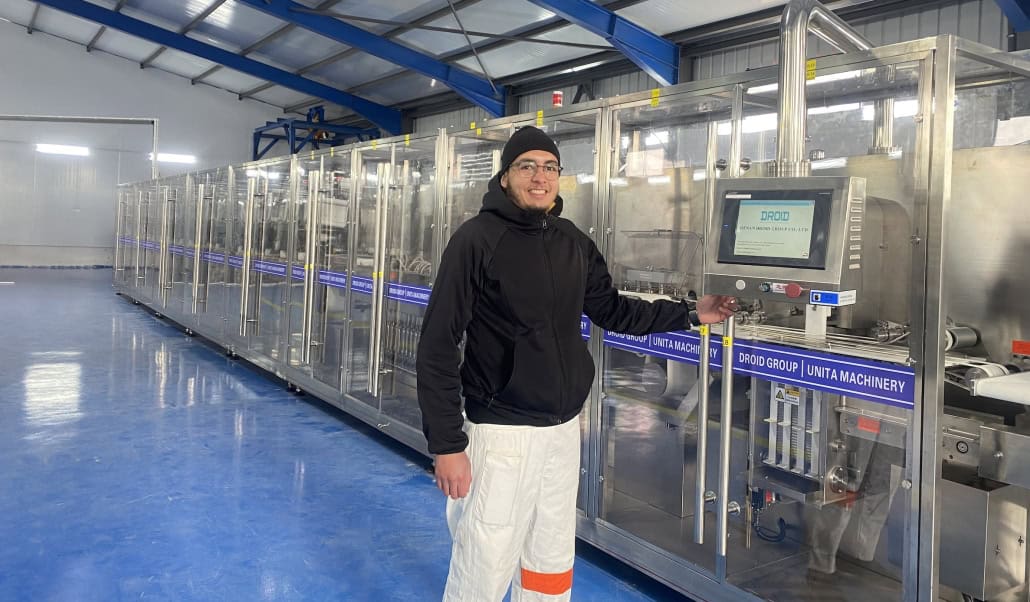
The world of wet wipes production is thriving thanks to the incredible advancements in automation! This technology acts as a powerful ally for manufacturers, allowing them to ramp up production while reducing reliance on manual labor. By automating essential processes such as feeding, folding, packaging, and palletizing, companies can achieve not only faster production cycles but also more reliable, consistent results.

Automation offers a host of benefits, including lower labor costs and a significant reduction in human error, which can disrupt manual or semi-automated processes. Exciting innovations such as servo-driven systems, advanced PLC controls, and robotic handling solutions are now essential features of modern wet wipes manufacturing lines. These technologies work in perfect harmony, ensuring seamless operations from material unwinding to final packing.

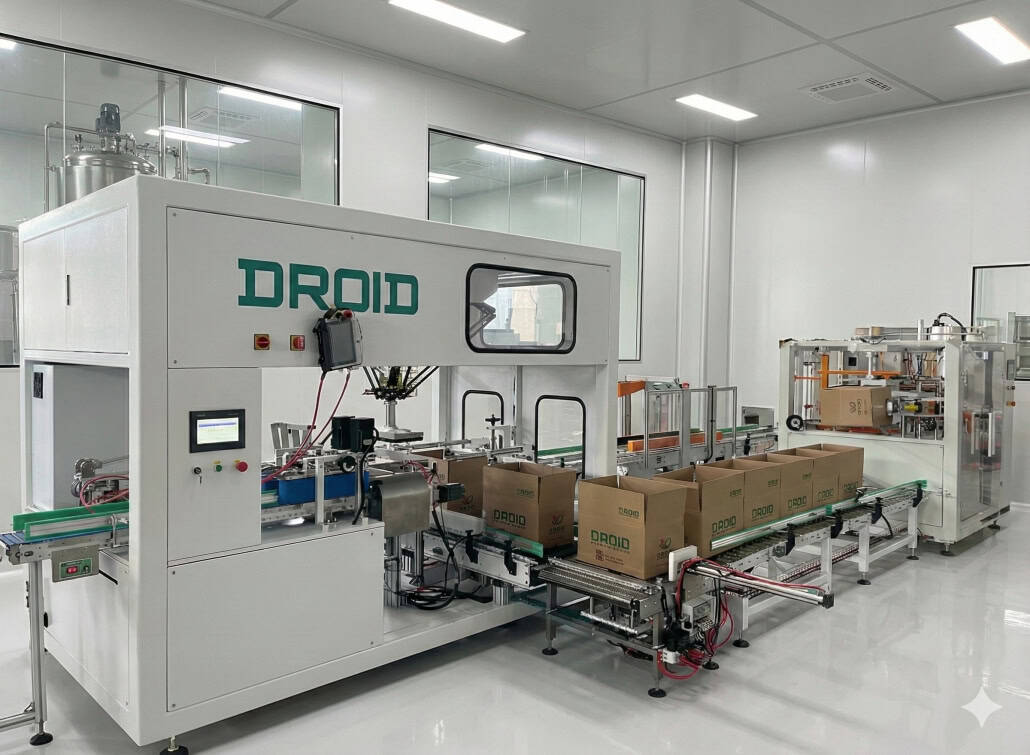
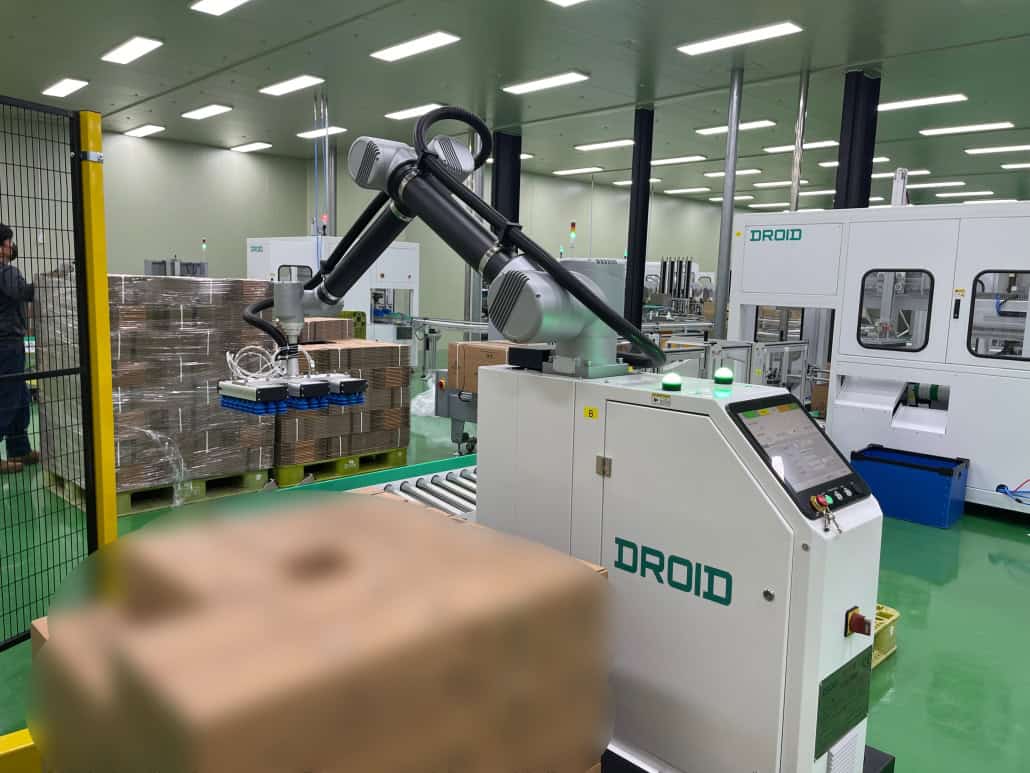
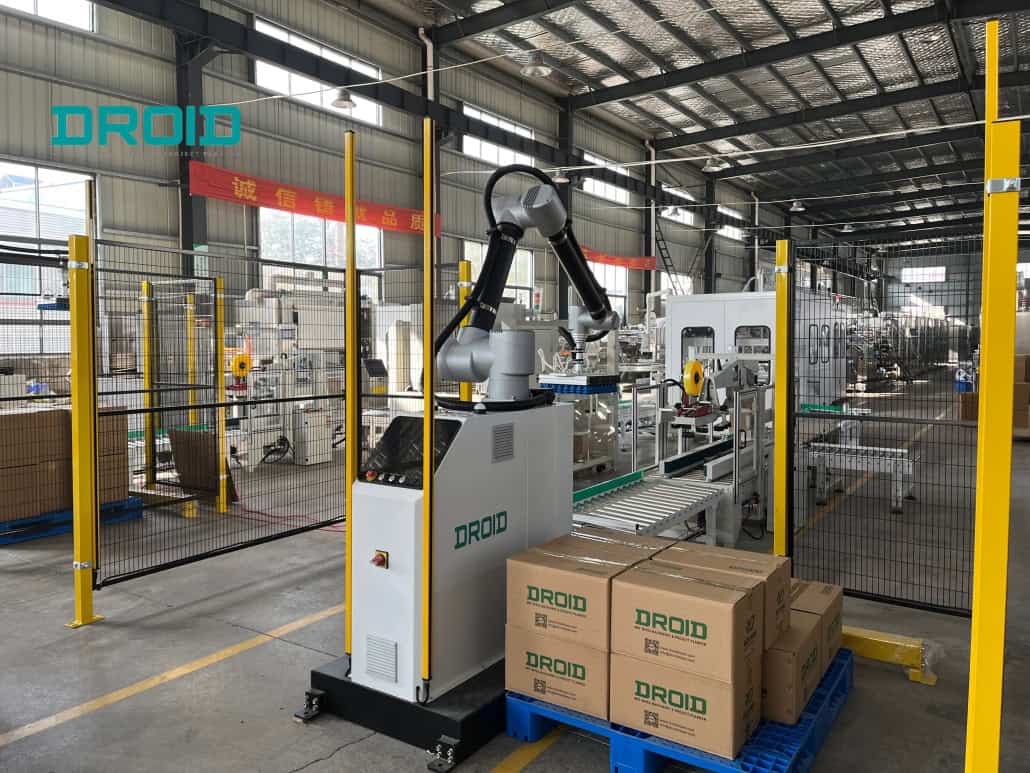
The advantages don’t stop there! Automation enables real-time monitoring and adjustments, empowering operators to maintain peak performance and adapt swiftly to changing conditions. In terms of long-term benefits, automated systems are designed for growth and flexibility, adjusting easily as production needs evolve. Tools such as palletizers, robotic case packers, and automated lid applicators further streamline end-of-line operations, enhancing worker safety and minimizing handling time.

In conclusion, embracing automation in wet wipes production enables manufacturers to maximize output while utilizing fewer resources, ultimately leading to increased efficiency and improved profit margins. The future looks bright, and there’s so much potential ahead!

wet wipes machine manufacturer DROID 2 1030x602 - How to Improve Profit Margins in Wet Wipes Manufacturing

Minimize Waste Across the Production Process

One of the easiest and most impactful ways to boost profit margins in wet wipe production is by reducing waste! Waste can occur at many stages of manufacturing, including excessive lotion use, trimming losses, packaging imperfections, and startup debris. Each type of waste not only affects production efficiency but also increases material costs. By pinpointing and addressing these areas of waste, manufacturers can significantly reduce their cost per wipe while maintaining consistent product quality!

A key strategy for achieving this is enhancing machine control to improve process accuracy and consistency. By ensuring stable cutting and folding mechanics, manufacturers can minimize fabric misalignment and edge waste. Additionally, high-precision dosing systems help prevent overuse of lotion, while reliable lid application and sealing methods reduce packaging rejections due to leaks or closure issues. Streamlining machine setup and reducing changeover time can also lead to substantial reductions in wasted materials during product transitions and startup phases.

In today’s manufacturing landscape, waste reduction is increasingly fueled by data-driven insights. By implementing real-time monitoring and analytics, manufacturers can track material usage, uncover inefficiencies, and make informed changes to optimize performance. Lean manufacturing principles, which focus on eliminating non-value-added tasks and fostering continuous improvement, further enhance waste reduction efforts. Ultimately, these advancements pave the way for a more sustainable manufacturing approach, lower operating costs, and more efficient resource use! Exciting times are ahead for manufacturers committed to this journey!

wet wipes machine manufacturer DROID 1030x755 - How to Improve Profit Margins in Wet Wipes Manufacturing

Enhance Product Quality to Reduce Returns

Enhancing product quality is not just a necessity; it’s a fantastic opportunity to boost our profit margins and elevate our brand’s reputation! When customers are happy, we experience fewer complaints, lower product returns, and a greater likelihood of securing long-term contracts. On the flip side, subpar wet wipes can lead to unsatisfactory user experiences, whether it’s due to uneven folding, ineffective packing seals, or inconsistent moisture levels. By ensuring consistent, high-quality production, manufacturers can significantly diminish return rates and cultivate strong consumer trust.

The journey toward steady product quality begins with meticulous management throughout the manufacturing process. Innovative folding and stacking mechanisms ensure a uniform appearance and precise count, while advanced wet wipes machines with accurate dosing systems guarantee even lotion distribution. Reliable sealing solutions are just as vital, preventing leaks and drying out can make all the difference in meeting market expectations and legal requirements.

Implementing rigorous quality control procedures and inspection systems further strengthens our commitment to excellence. Techniques like weight inspections, seal integrity assessments, and inline vision systems help us detect and eliminate defects before they reach the market. Together with a stable production environment and well-trained operators, these steps forge a robust quality assurance framework.

Ultimately, investing in product quality leads to fewer returns, reduced hidden costs, and delighted customers, all of which pave the way for larger, more stable profit margins. Let’s continue striving for excellence, knowing it creates a win-win for everyone involved!

wet wipes machine0 - How to Improve Profit Margins in Wet Wipes Manufacturing

Optimize Packaging for Cost and Efficiency

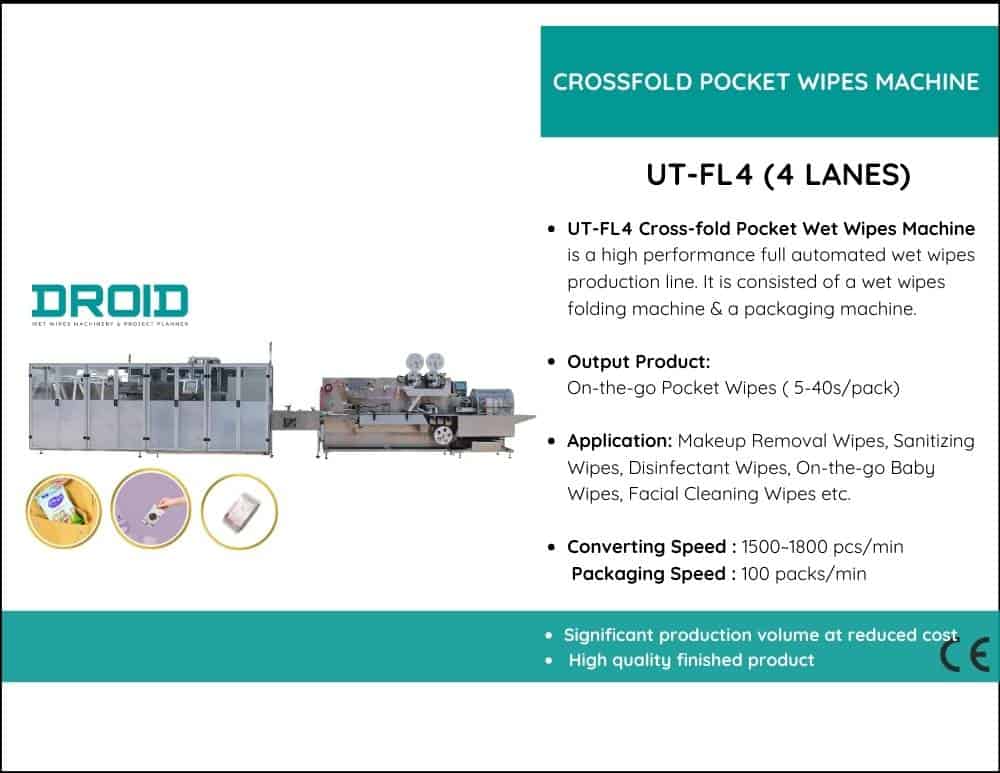
In the production of wet wipes, packaging plays a vital role in managing costs and enhancing productivity. A significant portion of each pack’s expenses comes from materials like films, labels, and plastic lids. By refining package design—avoiding oversized films and overly complex structures —manufacturers can reduce unnecessary material use and costs without compromising product quality or customer satisfaction.

The relationship between machine performance and efficient packaging is crucial. High-speed, synchronized packing technologies excel, especially during sealing and lid application, leading to smooth operations with minimal rejections. Issues like inadequate sealing or uneven lid placement can cause leaks, drying challenges, and product rejections, all of which can drive costs up. By investing in reliable packing equipment and quality components, manufacturers can boost production speed, enhance throughput, and minimize waste.

Moreover, adopting smart packaging strategies can elevate market competitiveness and streamline operations. Standardizing components, utilizing easily processed materials, and simplifying package designs can help reduce changeover time and enhance manufacturing efficiency. Additionally, eye-catching packaging enhances the user experience and retail appeal, ultimately driving increased sales. By aligning package design with production capabilities and cost objectives, manufacturers can develop a well-balanced strategy that maximizes efficiency while protecting profit margins. Embracing these innovations not only fosters operational excellence but also inspires growth in an ever-evolving market!

wet wipes machine manufacturer DROID 8 1030x773 - How to Improve Profit Margins in Wet Wipes Manufacturing

Implement Smart Manufacturing and Data Analytics

Smart manufacturing is transforming the wet wipes production industry by empowering manufacturers with real-time insights and control over their processes. Today’s advanced systems collect data directly from machines, sensors, and production lines, enabling continuous performance monitoring rather than relying on human oversight or delayed reports. By closely tracking key performance indicators such as production rates, downtime, material usage, and machine efficiency, manufacturers can make quicker and more informed decisions, leading to increased profit margins almost immediately.

Data analytics enables the identification of inefficiencies that might go unnoticed in traditional manufacturing environments. By analyzing production data, manufacturers can spot recurring issues such as bottlenecks, excess material use, or performance shifts. Predictive analytics even enables them to foresee potential equipment failures, facilitating proactive maintenance and minimizing disruptions. This approach ensures smoother manufacturing processes while reducing unexpected downtime and repair expenses.

Moreover, smart production systems promote long-term optimization and ongoing improvement. Management can set clear improvement goals, track progress over time, and evaluate performance using user-friendly dashboards and reporting tools. Integration with ERP and inventory systems enhances collaboration across manufacturing, procurement, and logistics, leading to better resource planning, reduced waste, and increased overall equipment effectiveness (OEE). Ultimately, by leveraging data-driven insights, wet wipes manufacturers can operate more efficiently, adapt swiftly to market demands, and enhance profitability, ensuring a bright future in their industry.

wet wipes machine manufacturer DROID 6 1030x773 - How to Improve Profit Margins in Wet Wipes Manufacturing

Choose the Right Machine Partner

Choosing the right machine partner for your wet wipes production is one of the most significant decisions you can make, as it greatly impacts your long-term profitability, operational stability, and scalability. Investing in a wet wipes machine is a commitment that lasts a decade, so it’s essential to prioritize continuous improvements, availability of spare parts, and reliable technical support. By collaborating with a reputable and experienced manufacturer, you gain access to invaluable engineering expertise and a supportive network that will help you maintain and enhance your production over time.

A true partner provides much more than hardware. They offer in-house engineering capabilities, including PLC programming, system modifications, and troubleshooting, enabling you to quickly optimize your production processes and respond to challenges with agility. Established manufacturers are also adept at providing comprehensive documentation, compliance guidance (like CE or GMP regulations), and efficient project management that covers everything from installation to plant layout design.

The quality of post-purchase support is equally vital. With dedicated technical teams and prompt availability of replacement parts, operational issues can be resolved swiftly and effectively. A trustworthy partner will also assist you as your business grows by providing advice on future upgrades, production enhancements, and preventative maintenance. Ultimately, selecting the right wet wipes machine partner is about securing long-term success, minimizing risks, and maximizing your return on investment—not just making an initial purchase. Together, you can build a prosperous future!

Wet Wipes Factory 1030x772 - How to Improve Profit Margins in Wet Wipes Manufacturing

Plan for Long-Term Scalability

In the dynamic world of wet wipes, where trends, market demands, and regulations are constantly evolving, effective long-term scaling planning is essential for sustaining profitability. By investing in scalable production methods, manufacturers can more readily adapt to shifts such as the introduction of innovative product forms, environmentally friendly materials, or increased production volumes. A thoughtfully designed wet wipes manufacturing line empowers you to boost capacity and diversify your offerings while leveraging the same foundational infrastructure, eliminating the need for constant reinvestment in new equipment.

The journey towards scalability begins with selecting machines that offer versatility in handling different wipe sizes, folding styles, packaging formats, and material specifications. Your manufacturing system should be capable of producing biodegradable or flushable wipes as consumer preferences evolve, all without compromising stability or efficiency. Embracing modular machine design is another vital aspect, allowing you to seamlessly integrate additional units—like packaging machines, lid applicators, or automation modules—as your business grows, minimizing disruptions to current operations and reducing future capital investments.

Moreover, achieving long-term scalability requires comprehensive strategic planning beyond equipment alone. This includes designing factory layouts with future growth in mind, ensuring that utilities (electricity, compressed air, and purified water systems) can accommodate expansion, and implementing digital systems capable of managing more complex outputs. By aligning infrastructure, business strategies, and equipment capabilities, manufacturers can create a future-ready organization that fosters continuous development, mitigates reinvestment risks, and maintains healthy profit margins over time. Embracing this approach ensures a flourishing future for your business in the wet wipes sector!

wet wipes machine manufacturer DROID 2 1 1030x651 - How to Improve Profit Margins in Wet Wipes Manufacturing

By enhancing machine efficiency, minimizing downtime, and optimizing the use of raw materials.

The primary cost factor is the raw materials, specifically lotion and nonwoven fabric.

Automation reduces labor costs, increases efficiency, and minimizes human error.

Stable machines reduce downtime, defects, and maintenance costs.

Yes, but only if your equipment can handle them consistently without sacrificing quality.

Because downtime reduces productivity and disrupts manufacturing, it raises the cost per unit.

Efficient packaging reduces material costs and improves production speed.

It offers real-time analytics to find inefficiencies and streamline procedures.

Better machine performance, support, and long-term cost savings are guaranteed by a dependable supplier.

Invest in versatile equipment that can accommodate a range of materials and formats.

Ask For A Quote 

1 + 3 = ?

Contact Form