Verifying who really constructs the machine is the first and most crucial step in choosing a wet wipes machine provider. A genuine manufacturer designs the mechanical structure, control logic, and process flow internally, then builds, wires, tests, and validates the equipment in its own factory. In contrast, a trading business serves as a middleman, procuring machinery from outside workshops, communicating with the client and builder, and frequently dissipating once delivery is finished. Both may appear comparable on paper. Only one person actually owns the machine.
When you require something more than a typical brochure, such as a different folding format, a higher sustainable speed with a challenging substrate, or a process modification to reduce waste, the difference becomes crucial. In its engineering office, a factory may review drawings, modify programs, and implement changes on the factory floor. A trade company’s need to “check with the factory” results in ambiguous accountability, diminished responsibility, and delays. This gap frequently determines whether your line stabilizes in a matter of days or remains months without being fixed when issues occur during commissioning or years afterward.
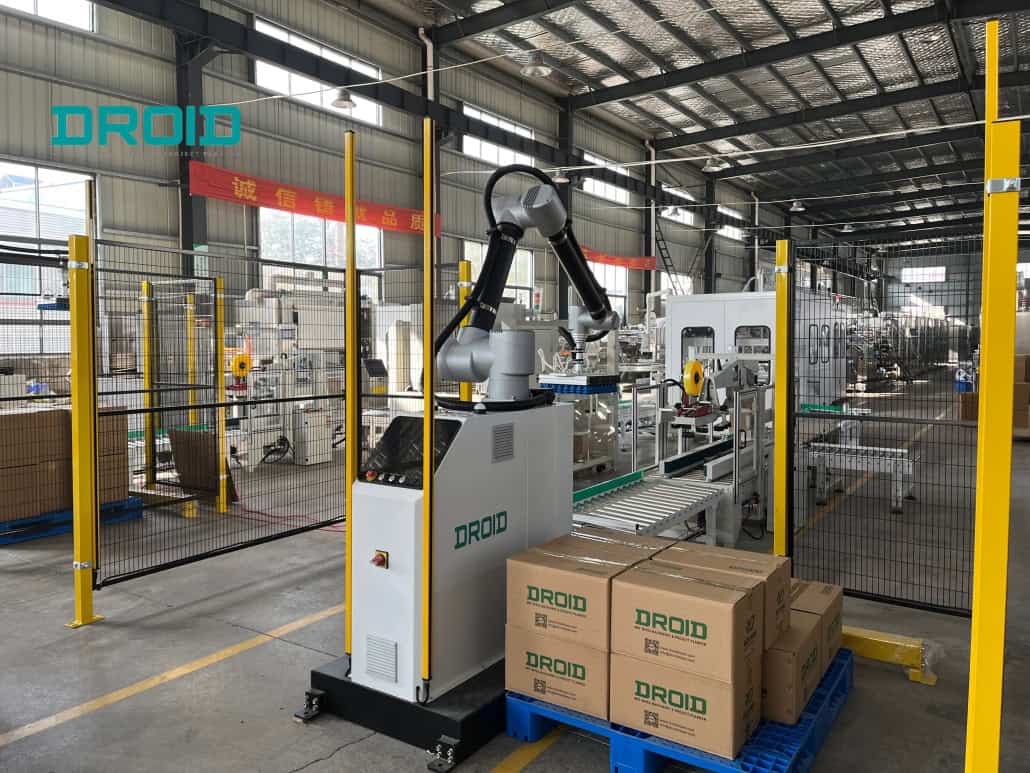
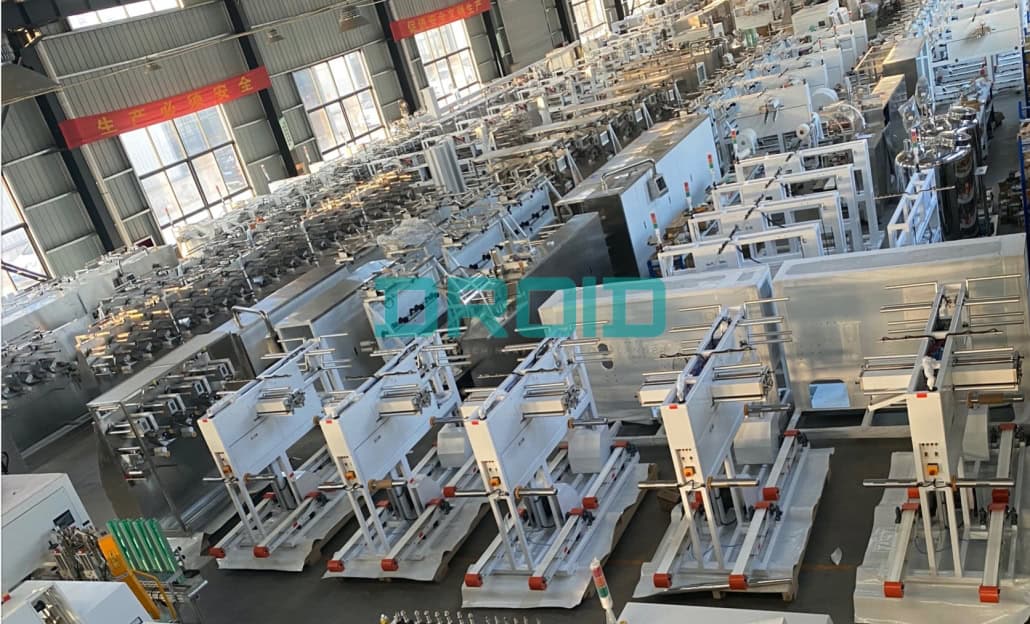
Physical proof is the most trustworthy way to confirm a manufacturer, not sales promises or certifications. Request to view live FAT testing, electrical wiring stations, assembly bays, and CNC machining spaces. Talk to the engineers who created the line, not just the salesperson. You are working with a manufacturer if the individuals who describe your wet wipes machine are also the ones who built it. You are probably dealing with a trading organization if accountability shifts as soon as technical inquiries start, and you are taking on long-term risk that no quote can offset.

 Izmir, Turkey –
  Zhengzhou, China –
  Seoul, South Korea –
  Delhi, India