
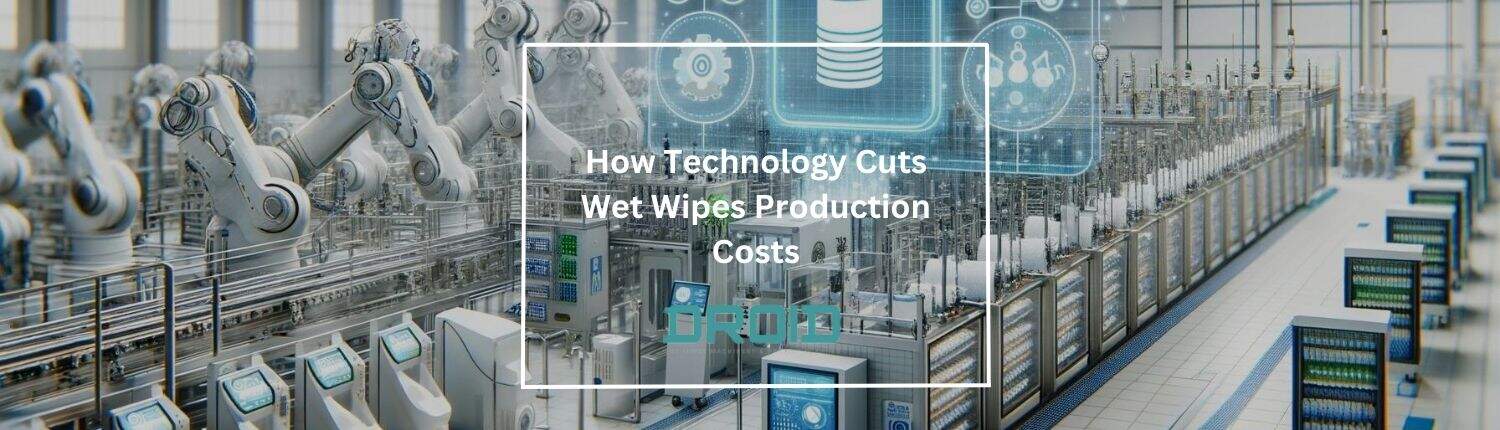
Automated Production Lines
Automated production lines are transforming the wet wipes manufacturing sector by significantly improving efficiency and reducing labor costs. These production lines utilize a combination of robotics, conveyor systems, and advanced software to optimize the entire production process. Automation ensures that every step, from cutting and folding the wipes to packing them, is carried out with precision and consistency. This not only boosts manufacturing efficiency but also reduces human error, leading to higher-quality products and fewer defects.
In addition to enhancing efficiency, automated production lines allow manufacturers to quickly adapt to changing market demands. Advanced robotics and software can be easily reprogrammed to produce various types of wet wipes without interrupting production. This flexibility is particularly valuable in an industry where product diversity and customization are key competitive advantages. Wet wipes manufacturers can swiftly shift from making baby wipes to producing disinfecting wipes to meet the specific needs of different consumer segments. This ability to adapt quickly to market trends and consumer preferences, without extensive manual intervention, gives manufacturers a significant edge.
Moreover, incorporating automation into manufacturing processes yields cost benefits that extend beyond simply lowering labor expenses. Automated systems improve the use of raw materials, reducing waste and ensuring effective resource allocation. These systems can operate continuously without interruption, resulting in increased production volumes and lower unit costs. Although the initial investment in automation technology may be substantial, the long-term benefits—such as enhanced efficiency, reduced operational costs, and improved product quality—make it worthwhile. By adopting automation, wet wipes manufacturers can strengthen their competitiveness and achieve sustainable growth in a cost-sensitive industry.

Smart Inventory Management
Implementing intelligent inventory management is a vital advancement for wet wipes manufacturers aiming to streamline their supply chain and reduce costs. Smart inventory management leverages advanced data analytics, real-time monitoring, and predictive algorithms to maintain optimal stock levels. By utilizing IoT sensors and automated tracking systems, wet wipes manufacturers gain real-time visibility into their inventory. This visibility ensures the consistent availability of both raw materials and finished products, minimizing the risks of excess inventory, which can tie up funds and occupy storage space, or shortages that could disrupt production and lead to missed sales opportunities.
A significant advantage of smart inventory management is its ability to forecast demand accurately. By analyzing historical sales data, industry trends, and external factors such as seasonal fluctuations and promotional campaigns, these systems can effectively predict future demand. This capability enables wet wipes manufacturers to strategically plan their procurement and production schedules, ensuring that inventory levels align with anticipated market needs. Furthermore, predictive analytics can identify patterns and irregularities that may signal supply chain disruptions, enabling companies to take proactive measures to mitigate risks.
Integrating intelligent inventory management also strengthens supplier relationships and enhances overall supply chain efficiency. Access to accurate information on inventory levels and consumption rates enables wet wipes manufacturers to collaborate more effectively with suppliers, ensuring timely deliveries and facilitating more effective negotiations. Automated reorder systems can generate purchase orders when certain criteria are met, reducing administrative burdens and ensuring a smooth flow of materials. Additionally, intelligent inventory systems can seamlessly integrate with other enterprise resource planning (ERP) systems, providing a comprehensive view of the wet wipes manufacturing process and supporting informed decision-making. By adopting intelligent inventory management, wet wipes manufacturers can achieve greater operational efficiency, lower expenses, and better meet consumer demand.

Energy-Efficient Machinery
Energy-efficient technology is crucial for wet wipes manufacturers looking to lower operational costs and enhance sustainability. Advanced wet wipes machines are designed to reduce power consumption while maintaining or even improving production efficiency. By adopting energy-saving technologies such as variable-frequency drives, high-efficiency motors, and optimized control systems, wet wipes manufacturers can significantly reduce their energy costs. For instance, machines equipped with variable-frequency drives can adjust their energy consumption to current production needs, preventing unnecessary energy use during periods of lower output.
The benefits of energy-efficient equipment extend beyond mere cost savings. These machines also help companies meet their environmental goals by reducing their overall carbon footprint. As global awareness of environmental issues increases, customers and regulatory bodies are placing greater pressure on wet wipes manufacturers to adopt greener practices. Investing in energy-efficient equipment demonstrates a company’s commitment to environmental responsibility, thereby enhancing its brand image and fostering consumer loyalty. Moreover, these machines often incorporate modern technologies that improve process control, reduce waste, and enhance overall production quality, further amplifying the benefits.
Implementing energy-efficient wet wipes machines aligns with the broader trend toward smart manufacturing and Industry 4.0. These machines typically come equipped with advanced monitoring and control systems that provide real-time data on energy consumption and machine efficiency. Analyzing this data helps identify patterns and areas for improvement, enabling continuous optimization of the production process. Additionally, many energy-efficient machines are specifically designed to integrate with renewable energy sources, such as solar or wind power, allowing wet wipes manufacturers to lessen their reliance on traditional energy supplies. By investing in energy-efficient technology, wet wipes manufacturers can reduce operational costs and achieve a competitive edge in a market increasingly focused on sustainability and efficiency.

Waste Reduction Technologies
Effective waste reduction methods are essential for wet wipes businesses aiming to cut costs and enhance environmental sustainability. These methods encompass a variety of strategies and improvements designed to optimize the use of raw materials, minimize scrap and rework, and lower waste disposal expenses.
One effective approach is to use precision-cutting and material-optimization tools. These technologies ensure that each wet wipe is accurately cut and shaped, thereby reducing excess material usage. This maximizes the use of each fabric roll and reduces manufacturing waste.
Another significant advancement in waste reduction is the adoption of closed-loop recycling systems. These systems allow wet wipes manufacturers to recycle water and other industrial inputs, thereby reducing the need for new resources and minimizing waste that requires treatment or disposal. For example, water used in the manufacturing process can be filtered, treated, and reused, thereby reducing both water consumption and wastewater generation. Similarly, fabric remnants and off-cuts can be collected, processed, and reintegrated into the manufacturing cycle, turning potential waste into valuable resources.
Data analytics also play a crucial role in waste reduction. By employing real-time data monitoring and analytics, wet wipes manufacturers can gain valuable insights into their production processes and identify areas where waste is generated. This data-driven approach enables businesses to implement specific improvements, such as adjusting machine settings, simplifying operational processes, or optimizing inventory management to reduce spoilage. Moreover, predictive analytics can anticipate potential issues, enabling proactive measures and preventing waste.
By adopting these waste-reduction solutions, wet wipes manufacturers can lower operational costs while supporting their sustainability efforts. This not only makes them more attractive to environmentally conscious consumers but also to potential partners.

Predictive Maintenance
Predictive maintenance is an innovative strategy that wet wipes manufacturers can use to improve equipment reliability, minimize downtime, and reduce maintenance-related expenses. This approach relies on advanced sensors, Internet of Things (IoT) devices, and data analytics to continuously monitor machinery condition in real time. Predictive maintenance systems can identify early signs of wear and potential issues by consistently gathering and analyzing data on vibration, temperature, pressure, and other critical parameters. This allows maintenance personnel to proactively address problems before they escalate into costly breakdowns, ensuring smoother and more efficient production operations.
One key advantage of predictive maintenance is the ability to perform maintenance tasks only when they are necessary, rather than adhering to a preset schedule. By implementing a condition-based maintenance strategy, manufacturers can avoid unnecessary maintenance activities, thereby reducing labor and parts costs while extending equipment lifespan. For instance, if a sensor detects unusual vibrations in a cutting machine, maintenance can be scheduled to specifically address that issue, preventing a complete machine breakdown. This targeted intervention helps minimize disruptions to the production line, ensuring high productivity and reduced unexpected downtime.
Predictive maintenance also enhances safety and ensures regulatory compliance. By proactively identifying potential failures, wet wipes manufacturers can prevent dangerous situations that could endanger personnel or lead to regulatory violations. Additionally, the accurate data collected by predictive maintenance systems helps companies maintain comprehensive maintenance records, demonstrating adherence to industry standards and regulations. The use of predictive analytics and machine learning models further improves the accuracy of maintenance predictions, continuously enhancing the system’s efficiency over time.
Overall, predictive maintenance is a valuable tool for wet wipes manufacturers, offering significant cost savings, increased operational efficiency, and improved safety measures. By leveraging real-time data and advanced analytics, businesses can transition from a reactive or scheduled maintenance approach to a more proactive strategy, ensuring optimal and reliable operation of their equipment. This not only lowers the overall cost of machinery ownership but also fosters a more environmentally friendly and resilient production process.

Advanced Quality Control Systems
Highly advanced quality control systems are essential for manufacturers of wet wipes who aim to ensure product uniformity, comply with regulatory standards, and enhance customer satisfaction. These systems integrate state-of-the-art technologies, including machine vision, artificial intelligence (AI), and automated testing, to monitor and manage product quality throughout the manufacturing process. By adopting these technologies, producers can identify issues early, reduce waste, and improve overall production efficiency.
Machine vision systems play a crucial role in advanced quality control. These machines use high-resolution cameras and sophisticated image-processing algorithms to inspect wet wipes for defects, including tears, uneven edges, and contamination. Unlike human inspectors, machine vision systems can operate continuously without fatigue, providing consistent and unbiased evaluations of product quality. Furthermore, they can gather extensive data for analysis, helping manufacturers identify patterns and recurring issues, which supports informed decision-making for process improvements.
Artificial intelligence (AI) enhances quality control through predictive and prescriptive analytics. AI algorithms can analyze vast amounts of data from various stages of production, uncovering patterns and relationships that may not be evident to human operators. For instance, AI can predict potential quality issues by analyzing historical data alongside current inputs, enabling proactive adjustments to the manufacturing process. Prescriptive analytics can then recommend specific actions to address these issues, such as fine-tuning machine settings or modifying raw material compositions. This combination of predictive and prescriptive approaches helps maintain high-quality standards while minimizing the likelihood of defects.
Automated testing systems are vital for improving quality control. These systems can perform various tests, such as tensile strength and absorbency measurements, ensuring that wet wipes meet all required specifications. Automation speeds up the quality control process while also increasing accuracy and reliability. By integrating automated testing with real-time data analytics, manufacturers gain a comprehensive view of product quality, enabling continuous monitoring and prompt responses to deviations.
Implementing these sophisticated quality control systems enables wet wipes manufacturers to achieve higher levels of product uniformity, reduce the need for rework and recalls, and strengthen their reputation for excellence, ultimately leading to greater consumer satisfaction and loyalty.

Digital Twins and Simulation
The wet wipes manufacturing industry is undergoing a significant transformation thanks to digital twins and simulation technologies. These innovations effectively optimize production processes, reduce costs, and enhance product quality. A digital twin is a computer-generated model that accurately represents a real-world production system, incorporating all machinery, processes, and environmental factors involved in manufacturing. By using a digital twin, wet wipes manufacturers can replicate and analyze the entire manufacturing process in a virtual environment. This capability allows them to identify inefficiencies, anticipate potential issues, and experiment with new methods without disrupting actual operations.
One major advantage of digital twins is their ability to enable real-time monitoring and predictive maintenance. Physical equipment can be equipped with sensors that continuously collect data on parameters such as temperature, pressure, and vibration. This data is fed into the digital twin, which utilizes advanced analytics and machine learning algorithms to predict possible equipment failures and maintenance needs. By proactively scheduling maintenance to address potential problems before they lead to breakdowns, manufacturers can improve operational efficiency and extend the lifespan of their machinery. This predictive approach not only enhances operational productivity but also reduces maintenance costs and increases equipment reliability.
Digital twins also play a crucial role in optimizing processes and fostering innovation. Wet wipes manufacturers can use simulation tools to model different production scenarios, test new procedures, and evaluate the effects of changes on efficiency and quality. For example, they can simulate the impact of adjusting machine configurations, altering raw material compositions, or introducing new packaging designs. These simulations provide valuable insights into how changes will affect the production line, enabling manufacturers to make informed decisions and confidently implement improvements based on data. This capability is particularly beneficial for maximizing resource utilization, minimizing waste, and enhancing product consistency.
Moreover, digital twins promote improved collaboration and training. They enhance cooperation among cross-functional teams by providing a comprehensive virtual representation of the production process, facilitating the sharing of insights and expertise that drive continuous improvement. Additionally, digital twins serve as effective training tools for new employees, allowing them to explore and engage with the production system in a safe and secure environment. This expedites learning and ensures the workforce is well-prepared to operate and maintain the machinery.
In summary, digital twins and simulation technologies provide wet wipes manufacturers with a comprehensive solution to improve production efficiency, reduce costs, and encourage innovation. This leads to a more competitive and resilient business.

Sustainable Packaging Solutions
Wet wipes manufacturers are making exciting strides towards sustainable packaging, driven by growing consumer demand for eco-friendly products and the need to meet regulatory standards that protect our planet. This commitment to sustainability leads to innovative packaging solutions that reduce waste, improve recyclability, and lower the overall carbon footprint.
One of the most important aspects of sustainable packaging is the use of biodegradable and compostable materials. Unlike traditional plastic, which can take centuries to decompose and significantly contributes to pollution, biodegradable options—like plant-based polymers, cellulose, and other natural fibers—break down more quickly and with far less environmental impact. Meanwhile, compostable materials transform into nutrient-rich compost that enhances soil quality. By incorporating these innovative materials, wet wipes manufacturers can greatly reduce their environmental footprint and support a thriving circular economy.
Another exciting development in sustainable packaging is the focus on lightweight designs. By minimizing the weight and volume of their packaging, manufacturers not only reduce the use of raw materials but also lower transportation costs and the associated carbon emissions. Thanks to advancements in packaging technology, companies can now create thinner yet more durable materials that maintain product safety and integrity while using fewer resources. Optimizing package shapes and sizes also improves packing efficiency, allowing more products to be shipped in a single shipment and further diminishing their environmental impact.
Recyclability is another key consideration in the pursuit of sustainable packaging. Creating packaging that is easy to recycle helps complete the product life cycle by transforming waste into valuable resources. This means choosing materials widely accepted in recycling programs and ensuring components such as labels and adhesives do not hinder the recycling process. Clear labeling and proactive consumer education on disposal methods are vital to enhancing recycling rates. Additionally, some companies are exploring reusable packaging options, such as refillable containers, which can significantly cut down waste and promote sustainability.
Ultimately, embracing sustainable packaging is not just a responsibility—it’s a fantastic opportunity for wet wipes manufacturers to reduce their environmental footprint while meeting the rising consumer demand for green products. By adopting biodegradable and compostable materials, streamlining packaging designs, and enhancing recyclability, companies can align with eco-conscious values and enjoy substantial environmental benefits. This proactive approach not only contributes to a healthier planet but also elevates the brand’s reputation and builds customer loyalty. In a market increasingly prioritizing sustainability, manufacturers that invest in these practices will be well-positioned for long-term success and growth. The journey toward a more sustainable future is not just necessary; it’s an exhilarating chance to make a difference, connect with consumers, and lead the way in eco-friendly innovation!

Conclusion
How does technology reduce costs in wet wipes production?
Technology reduces costs by automating processes, minimizing material waste, enhancing productivity, and consuming less labor and energy in the production of wet wipes.
What role do automated production lines play in cost reduction?
Automated production lines cut unit costs and improve production efficiency by increasing productivity, minimizing human error, and optimizing raw material utilization.
How can smart inventory management lower manufacturing expenses?
Smart inventory systems use predictive analytics and real-time data to avoid shortages and overstocking, thereby reducing storage costs and production delays.
Why is energy-efficient machinery important for wet wipes manufacturers?
Energy-efficient devices retain excellent output performance while using less power, lowering operational costs, and supporting sustainability objectives.
What technologies help reduce waste in wet wipes manufacturing?
Closed-loop recycling technology, data analytics, and precision cutting systems all contribute to reduced material waste and better resource use.
How does predictive maintenance save costs in production lines?
By identifying problems early and reducing downtime, repair costs, and production losses, predictive maintenance helps prevent unplanned equipment failures.
What is the benefit of advanced quality control systems?
AI- and machine vision-based advanced quality control systems eliminate rework, reduce faults, and ensure consistent product quality.
How do digital twins improve wet wipes production efficiency?
By simulating actual production settings, digital twins enable manufacturers to evaluate enhancements, streamline processes, and reduce operational risks without disrupting operations.
Can sustainable packaging reduce production costs?
Indeed, ecological packaging may yield long-term financial gains by using fewer materials, reducing transportation costs, and enhancing brand value.
What is the best technology investment for reducing wet wipes production costs?
By increasing productivity and reducing total operating costs, investments in automation, smart manufacturing technologies, and data-driven optimization deliver the highest returns.
 Izmir, Turkey –
  Zhengzhou, China –
  Seoul, South Korea –
  Delhi, India