• Domestic vs Global Wet Wipes Machine Standards - Domestic vs Global Wet Wipes Machine Standards

Domestic vs Global Wet Wipes Machine Standards

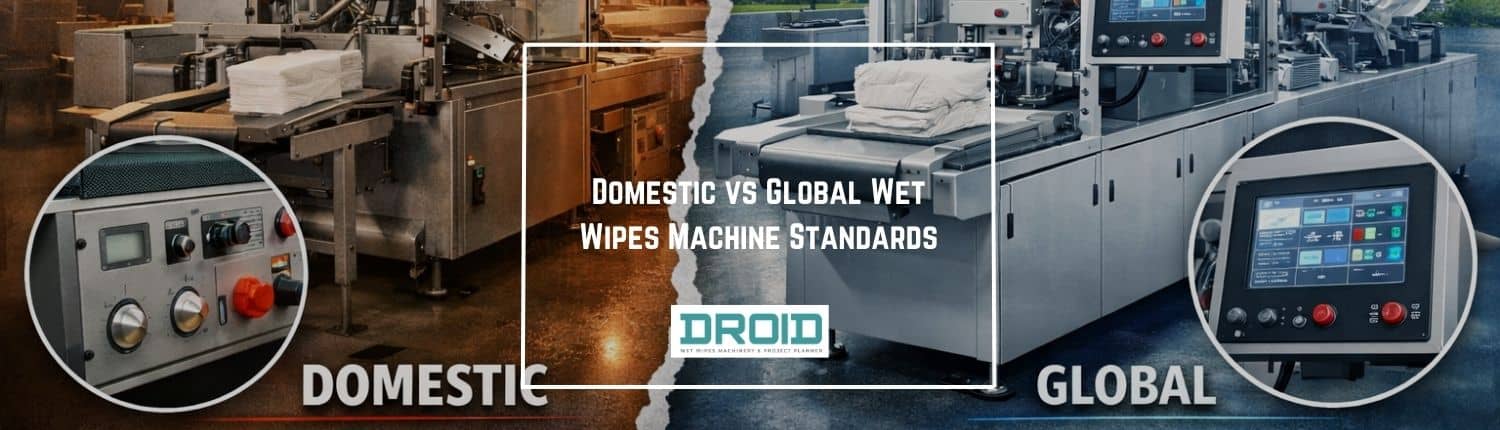
Wet wipes machine manufacturers do not build all machines to the same standards. Many wet wipes machine manufacturers design their wet wipes machines primarily for domestic markets, where customer needs, production expectations, and regulatory requirements may differ significantly from those in foreign markets.

Understanding the distinction between domestic-standard technology and globally compatible manufacturing lines is crucial for businesses hoping to sell wet wipes internationally. Selecting the wrong equipment can lead to production instability, regulatory delays, or costly modifications down the road.

This article helps consumers make smarter investment decisions by outlining the main distinctions between domestic wet wipes machines and manufacturing systems that meet international standards.

Why Machine Standards Matter in Wet Wipes Manufacturing

Machine specifications largely determine a wet wipes manufacturing line’s long-term performance and dependability. The production of wet wipes involves a sophisticated integration of mechanical systems, motion-control technologies, precise liquid dosing, and packing automation, rather than simply turning nonwoven fabric into packaged goods. To guarantee constant product quality and manufacturing efficiency, every component of the wet wipes manufacturing process must work in perfect unison. The entire line may run smoothly at high speeds without frequent interruptions or instability when machinery is constructed in accordance with higher engineering requirements.

High machine standards also play a critical role in improving productivity and product consistency. Even small differences in material tension, liquid dosage, or folding precision can affect the quality of the finished wet wipes. Inconsistent stack heights, uneven liquid distribution, or unstable packing can result from poorly constructed machinery, increasing rejection rates and waste. Stronger structural design, accurate servo motion control, and dependable automation systems enable manufacturers to enhance overall operating efficiency, minimize material waste, and maintain constant production conditions.

Machine standards impact long-term company sustainability, scalability, and compliance, as well as production performance. Manufacturers that intend to sell their goods abroad must adhere to stringent legal requirements and the high-quality standards set by international distributors and merchants. It is often simpler for companies to pass audits and maintain continuous production when machines are developed in accordance with international engineering and safety standards, with stronger mechanical durability, safer operating systems, and better documentation. Selecting equipment with higher machine standards is not just a technical choice for businesses producing wet wipes, but also a strategic investment that promotes long-term growth and market expansion.

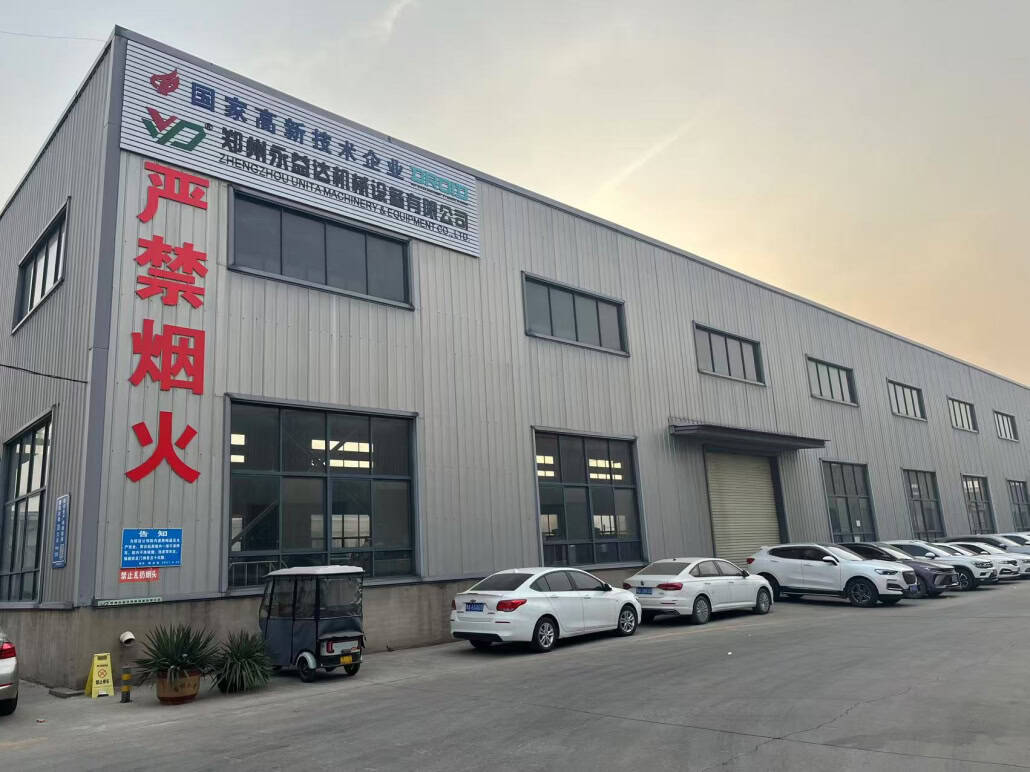
Wet Wipes Factory 1030x772 - Domestic vs Global Wet Wipes Machine Standards
Compliance and Certification Requirements

In the production of wet wipes, compliance and certification are essential, particularly for businesses that intend to service foreign markets. Strict laws governing industrial machinery are enforced in many nations and regions to ensure environmental responsibility, operational reliability, and safety. Manufacturers may experience delays in factory audits, challenges with installation clearances, or even limitations on exporting their final goods if the production equipment for wet wipes does not comply with certain legal criteria. Manufacturers may avoid these difficulties and operate more confidently in foreign markets with the aid of machines built with global compliance requirements in mind.

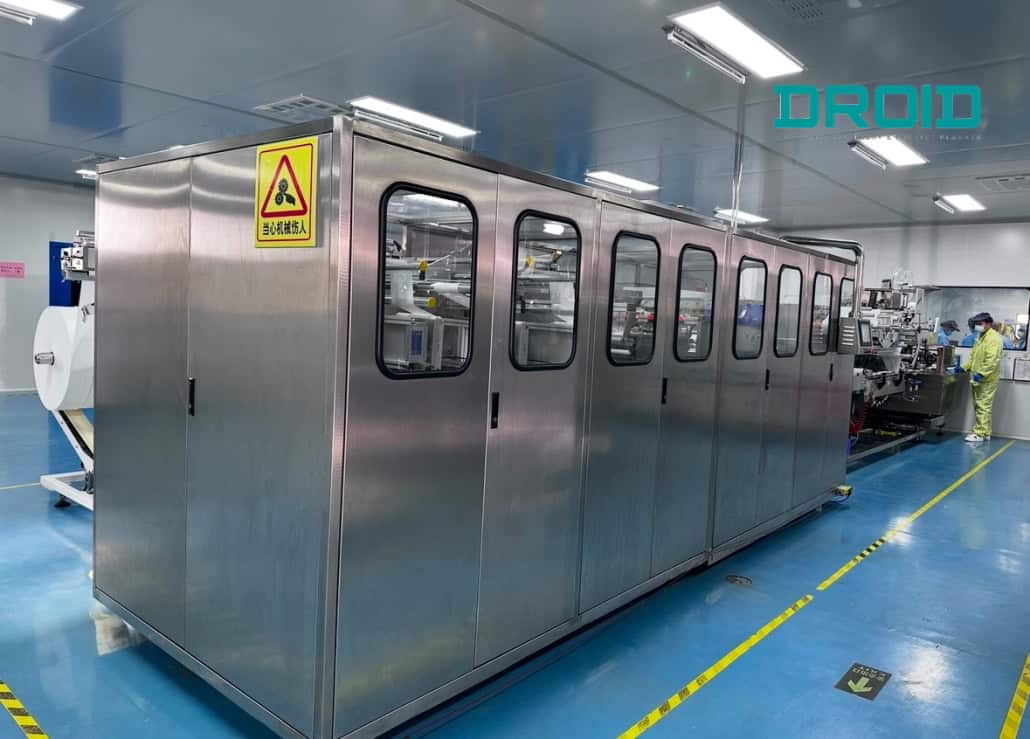
Internationally compliant wet wipes are usually designed to meet generally accepted safety and regulatory frameworks, such as ISO-based safety standards and CE standards. According to these regulations, producers must implement extensive safety systems, including appropriate machine guarding, emergency stop mechanisms, electrical protection systems, and thorough risk assessments. Globally compatible machines include full technical documentation, such as electrical schematics, safety circuit diagrams, and risk evaluation reports, in addition to the physical safety measures. These records are necessary for long-term maintenance, customer audits, and regulatory inspections.

Compliance paperwork is often a crucial requirement during supplier certification for wet wipes producers seeking to connect with international retailers or multinational brands. To ensure that manufacturing facilities comply with global safety and operational requirements, retail chains and brand owners regularly conduct technical audits. This procedure runs much more smoothly on production lines that already have approved safety measures and well-prepared technical papers. Therefore, purchasing equipment that complies with international regulations not only improves factory safety but also boosts a manufacturer’s reputation and competitiveness in foreign markets.

regulatory compliance - Domestic vs Global Wet Wipes Machine Standards

Mechanical Structure and Machine Stability

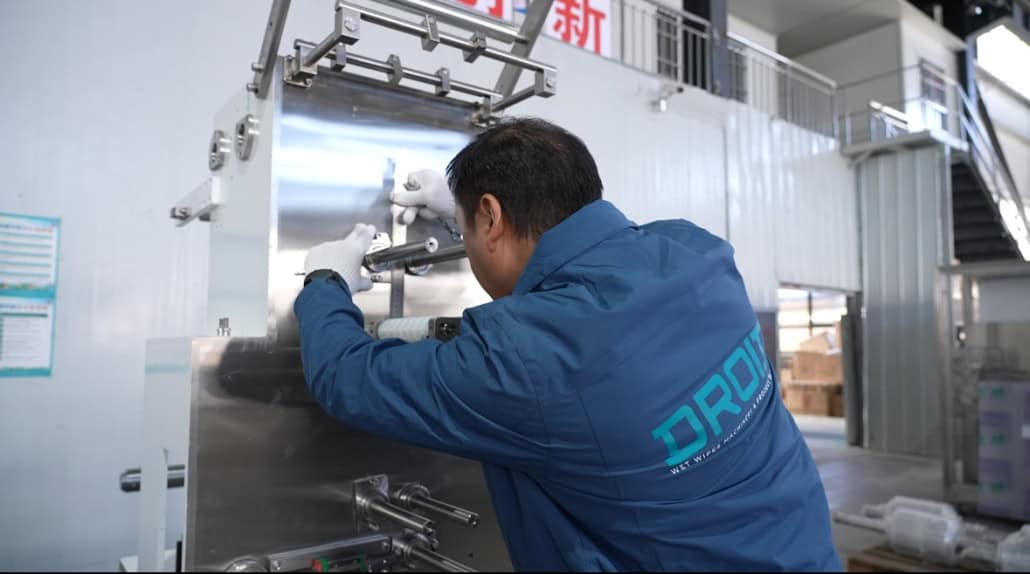
A wet wipes production line’s overall stability and dependability are largely dependent on its mechanical structure. During operation, the machine must coordinate multiple processes simultaneously, including nonwoven feeding, folding, liquid dosing, cutting, stacking, and packaging. These procedures require precise synchronization among many mechanical components and often occur at high speeds. Strong structural design ensures smooth operation and reduces the risk of vibration or mechanical deviation during manufacturing by providing the required stiffness to maintain alignment between moving elements.

As production speed increases, the machine may become unstable if the structural elements and mechanical frame are not designed with sufficient strength. Overvibration can misalign cutting or folding processes, directly affecting the uniformity of the final output. Weaker constructions may also cause bearings, shafts, and motion control components to wear down more quickly, increasing maintenance costs and downtime. On the other hand, producers can maintain consistent production output because machines with heavy-duty frames and precisely manufactured assemblies remain stable even when operating at high speeds continuously.

A well-designed mechanical structure also influences the equipment’s long-term durability. Production facilities for wet wipes sometimes run several shifts a day, and their equipment must endure years of continuous use. Machines designed with sturdy frames, precise mounting systems, and balanced motion mechanisms offer greater resistance to wear and mechanical stress. In addition to extending the equipment’s lifespan, this durability helps maintain steady production conditions, which is crucial for manufacturers seeking to deliver consistently high-quality products to their clients.

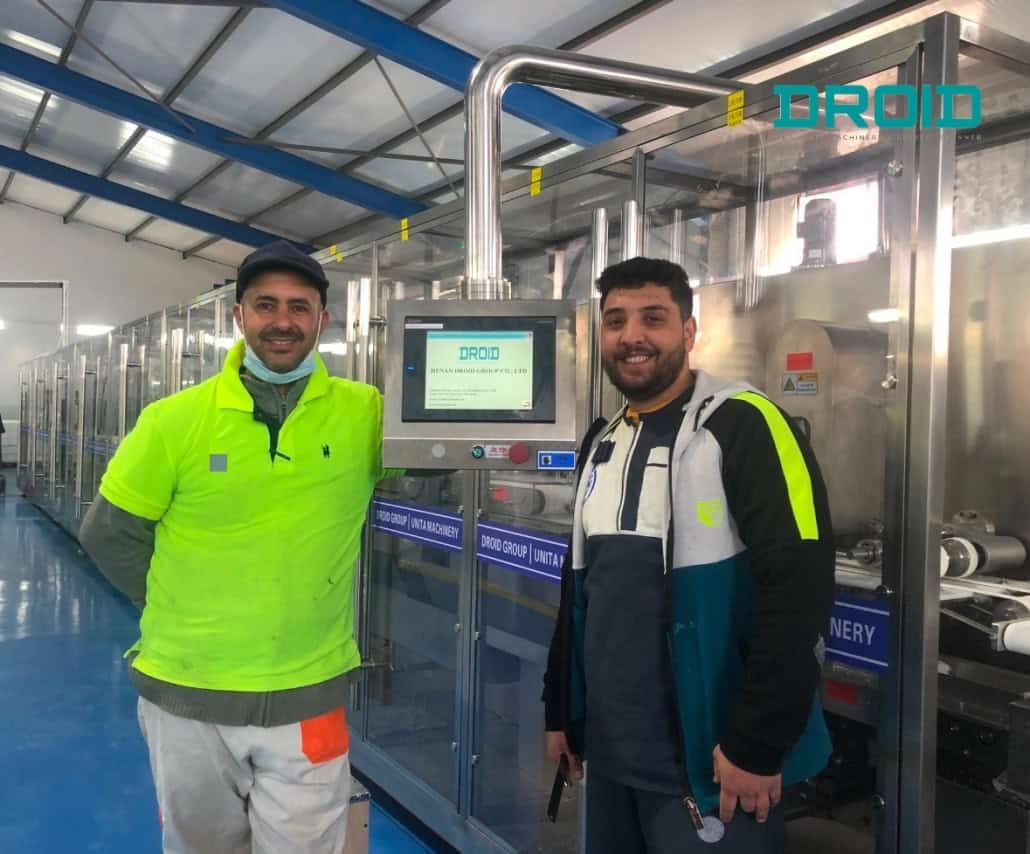
wet wipes machine manufacturer DROID 9 1030x854 - Domestic vs Global Wet Wipes Machine Standards

Motion Control and Automation Systems

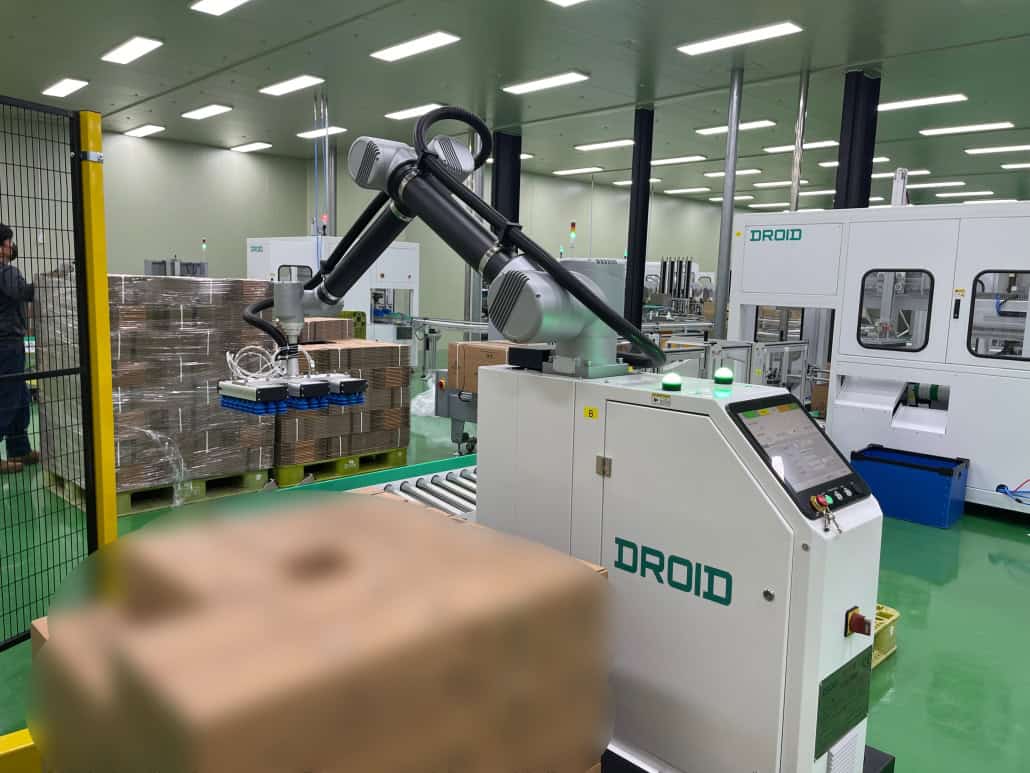
The technological foundation of modern wet wipe manufacturing lines is based on motion control and automation technologies. Several processes, including nonwoven feeding, folding, cutting, liquid dosing, stacking, and packing, must occur concurrently and be precisely synchronized in a typical production process. These motions are coordinated by motion control systems using servo motors, programmable controllers, and sensors that govern timing, location, and speed. The entire manufacturing line operates smoothly when these systems operate with high accuracy, guaranteeing consistent product quality and steady output.

Higher production rates without sacrificing precision are also made possible by sophisticated motion control systems. Even minor variations in timing or placement during wet wipe production can lead to flaws such as misplaced folds, uneven stack counts, or incorrect packing. By continually monitoring machine characteristics and making real-time movement adjustments, automation technologies help reduce these dangers. Manufacturers can precisely control every step of the production process with servo-driven controls and integrated monitoring systems, reducing errors and boosting overall productivity.

Automation further increases managerial simplicity and operational flexibility. Digital control interfaces are a common feature of contemporary wet wipes machines, enabling operators to retain production recipes, swiftly modify parameters, and quickly transition between product types. Additionally, these systems include diagnostic features that help professionals spot problems before they lead to equipment failure. Wet wipes producers may increase operational efficiency, maintain steady output, and more readily adjust to shifting market needs by incorporating cutting-edge motion-control and automation technologies.

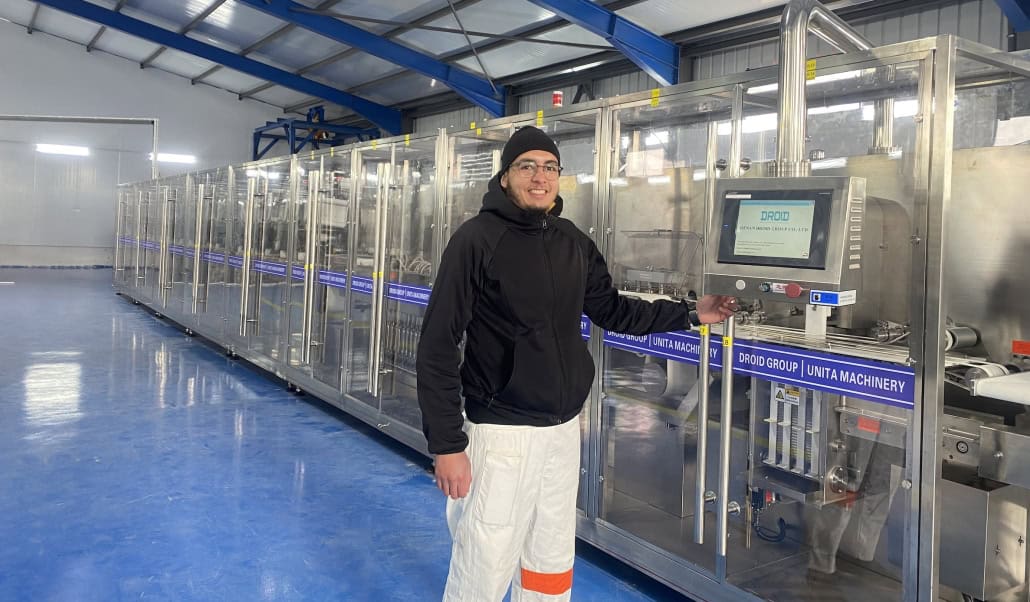
wet wipes machine manufacturer DROID 2 1030x602 - Domestic vs Global Wet Wipes Machine Standards

Capability to Process Different Materials

In the production of contemporary wet wipes, the capacity to handle a variety of materials is becoming a more crucial prerequisite. Due to customer and regulatory demands for more specialized, environmentally friendly products, the sector is changing rapidly. These days, manufacturers frequently have to deal with a range of nonwoven substrates, including airlaid, spunlace, biodegradable fibers, and lightweight, flushable materials. Because each of these materials reacts differently during manufacturing, equipment that can maintain precise folding, uniform stacking, and consistent tension management is necessary to ensure consistent product quality.

Higher technical standards usually enable machines to handle a wider range of materials without sacrificing performance. For instance, lightweight or environmentally friendly substrates are more brittle and vulnerable to ripping or distortion during high-speed processing. To efficiently handle these materials, sophisticated wet wipes machines include precise tension control systems, precision servo-driven folding units, and improved feeding mechanisms. This feature enables producers to maintain uniform product quality and appearance across multiple wipe types and materials on the same production line.

Additionally, flexible material processing enables producers to adjust to shifting market trends and legal constraints. Many companies are switching to biodegradable or flushable wipes as sustainability gains significant attention in the personal care and hygiene sectors. Manufacturers have greater long-term flexibility and fewer expensive equipment updates in the future, as production lines can handle these newer materials. Wet wipe manufacturers put themselves in a better position to adapt to changing customer needs and industry standards by investing in equipment that can treat a wide variety of surfaces.

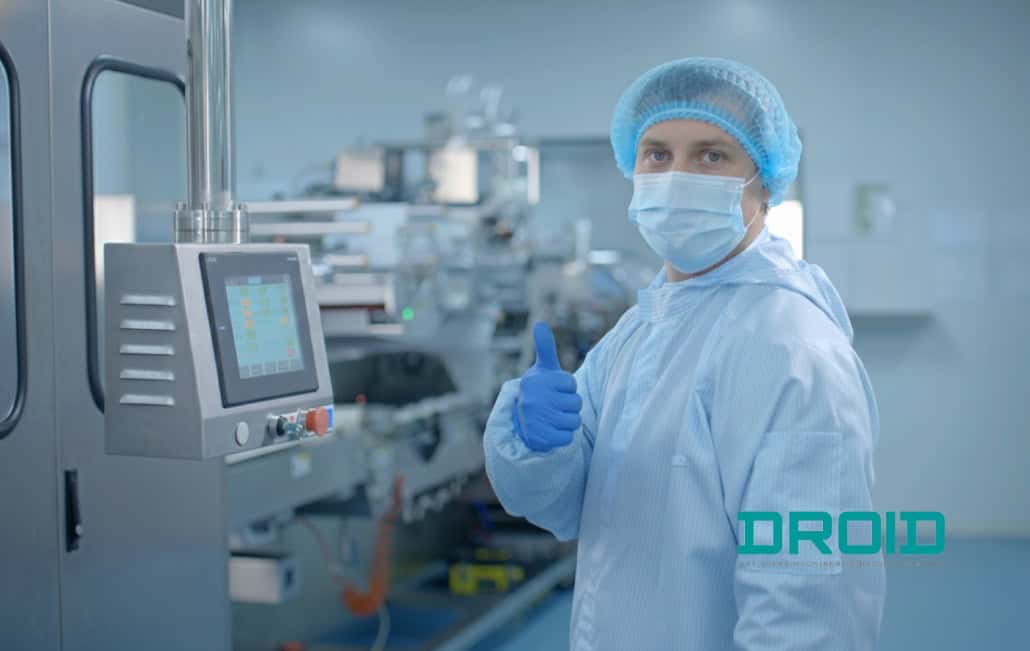
wet wipes machine manufacturer DROID 2 1 1030x651 - Domestic vs Global Wet Wipes Machine Standards

Documentation and Technical Support

Any professional wet wipes production system must have thorough documentation and dependable technical support. Because industrial machinery is complex, accurate technical documentation is crucial for the efficient installation, operation, and maintenance of the machinery by operators, engineers, and maintenance teams. Machine manuals, electrical schematics, spare parts catalogs, maintenance schedules, and troubleshooting instructions are examples of proper documentation. Factories can run their production lines more effectively and promptly address problems without extended downtime when this information is easily accessible and well-organized.

During machine installation and factory checks, thorough documentation is also crucial. Numerous producers of wet wipes sell goods to global merchants and brands that demand rigorous adherence to operational and safety regulations. Factories are frequently required to provide comprehensive machine documentation, such as safety circuit diagrams, risk assessment files, and operating procedures, during inspections or technical audits. Manufacturers find it easier to pass these assessments and demonstrate that their manufacturing processes meet international standards when their machines have comprehensive technical documentation.

Responsive technical assistance, along with documentation, guarantees that manufacturers can sustain steady operations in the long run. As manufacturing demands change, even well-designed equipment may occasionally need modifications, replacement spare parts, or expert advice. Suppliers of equipment that offer organized technical support, such as remote troubleshooting, maintenance advice, and replacement parts support, help manufacturers reduce interruptions and sustain production efficiency. In the end, makers of wet wipes can run their machinery with greater confidence and long-term dependability thanks to solid documentation and trustworthy technical support.

Wet wipes machine manufacturer 1030x574 - Domestic vs Global Wet Wipes Machine Standards

After-Sales Support Infrastructure

One of the most important elements of a wet wipes production line’s long-term performance is its after-sales service system. Buying industrial machinery is the start of a long-term working relationship between the equipment provider and the producer. Over time, even the most sophisticated equipment needs to undergo routine maintenance, replacement of spare components, and technological modifications. Production interruptions may soon become costly in the absence of dependable after-sales support, leading to downtime, delayed deliveries, and reduced manufacturing efficiency.

Manufacturers of wet wipes can maintain the efficiency of their manufacturing lines and promptly address technical problems with the help of a robust after-sales support system. Professional equipment vendors usually offer comprehensive support services, including scheduled maintenance recommendations, troubleshooting guidance, and remote technical support. Additionally, manufacturers can respond swiftly when parts need to be replaced or adjusted, thanks to readily available spare parts and well-defined servicing protocols. For firms running high-speed production lines, where even a little downtime may have a substantial impact on output, this degree of assistance is particularly crucial.

After-sales infrastructure is even more crucial for businesses operating in foreign markets. Production facilities remote from the equipment maker rely heavily on prompt technical support and effective communication channels. Faster solutions and lower risks associated with complex machinery can be provided by suppliers with worldwide service capabilities, well-organized spare parts systems, and skilled technical personnel. In the end, a robust after-sales support system helps wet wipes producers maintain steady output, safeguard their capital, and ensure long-term operational stability.

wet wipes machine manufacturer DROID 8 1030x773 - Domestic vs Global Wet Wipes Machine Standards

Choosing the Right Wet Wipes Machine for Global Production

Beyond the initial purchase price, great consideration is required when choosing the best wet wipes machine for worldwide production. When manufacturers enter foreign markets, they must ensure that their equipment meets worldwide compliance standards, product quality expectations, and long-term operational reliability, in addition to production efficiency needs. A well-designed wet wipes manufacturing line should be able to continuously produce wipes that meet the requirements of international merchants and brand owners while maintaining steady performance at high speeds.

Manufacturers should consider several crucial factors that affect long-term performance when assessing machinery providers. These include the machine’s capacity to process various nonwoven materials, its mechanical robustness, its precise motion control, and its compliance with international regulatory requirements. As the wet wipes market continues to develop with new product formats, package designs, and environmentally friendly materials, production flexibility is becoming increasingly crucial. Manufacturers can respond more effectively to these shifting needs with equipment built with sophisticated automation systems and rigorous technical standards.

The quality of the equipment supplier’s technical assistance and capacity for long-term collaboration are equally crucial. A trustworthy machinery partner should be able to provide comprehensive documentation, organized installation assistance, operator training, and prompt after-sales support. From installation through years of continuous operation, these components ensure manufacturing processes run smoothly. Wet wipes producers may select equipment that not only meets current production targets but also fosters sustainable growth in cutthroat international markets by carefully weighing these factors.

wet wipes machine manufacturer DROID 3 1030x739 - Domestic vs Global Wet Wipes Machine Standards

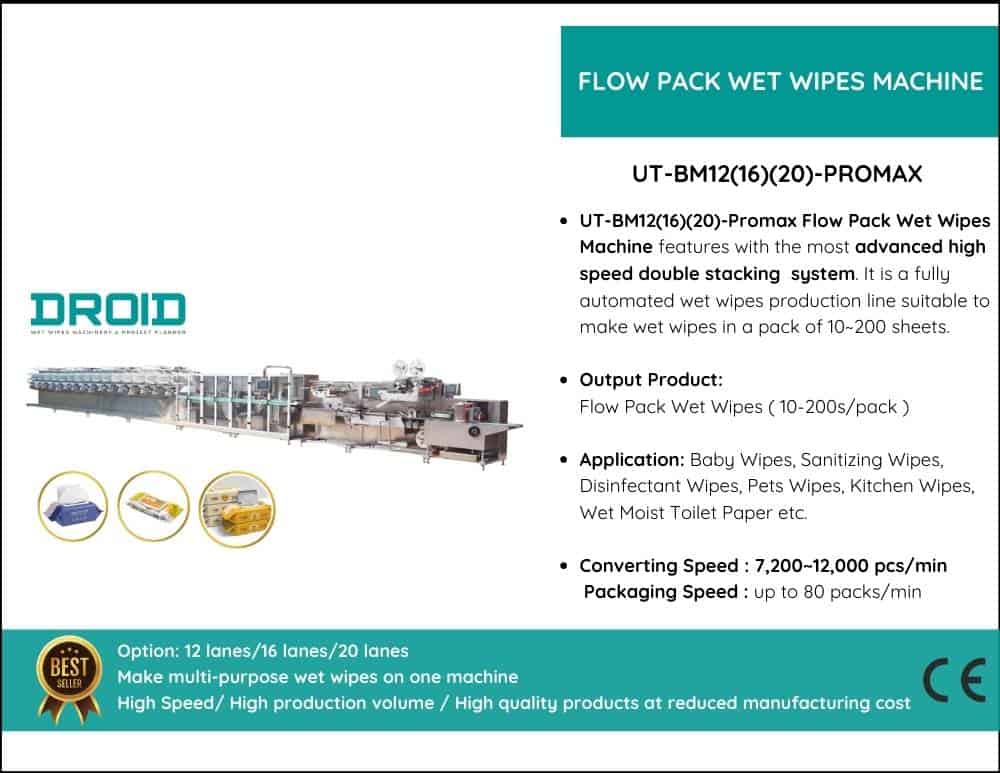
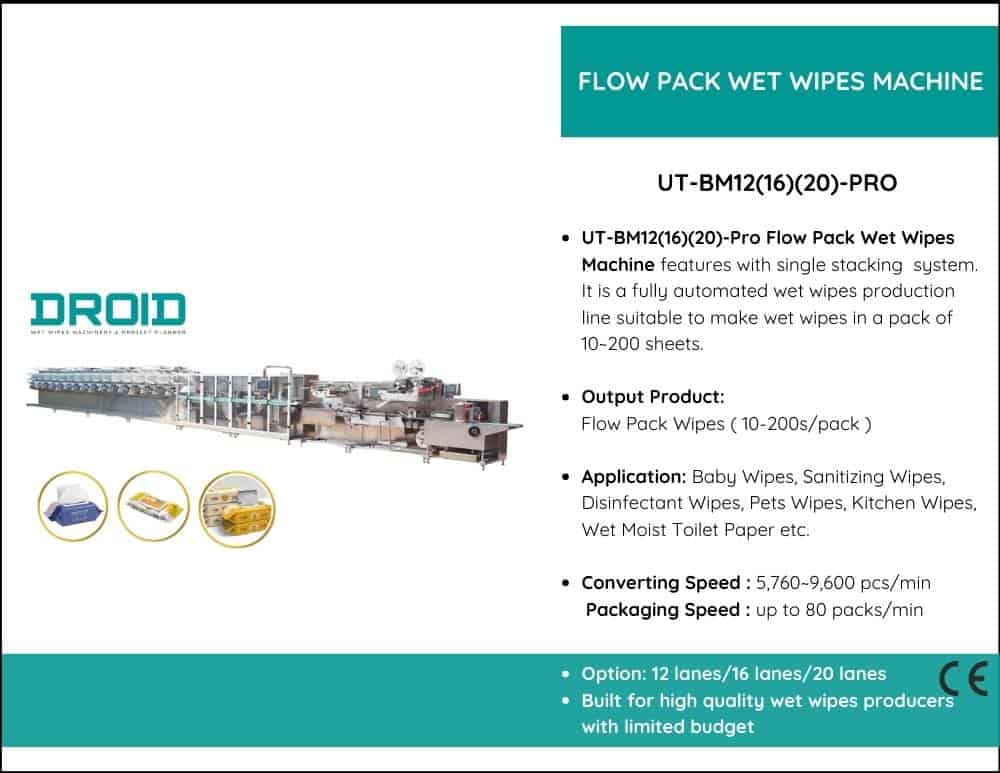
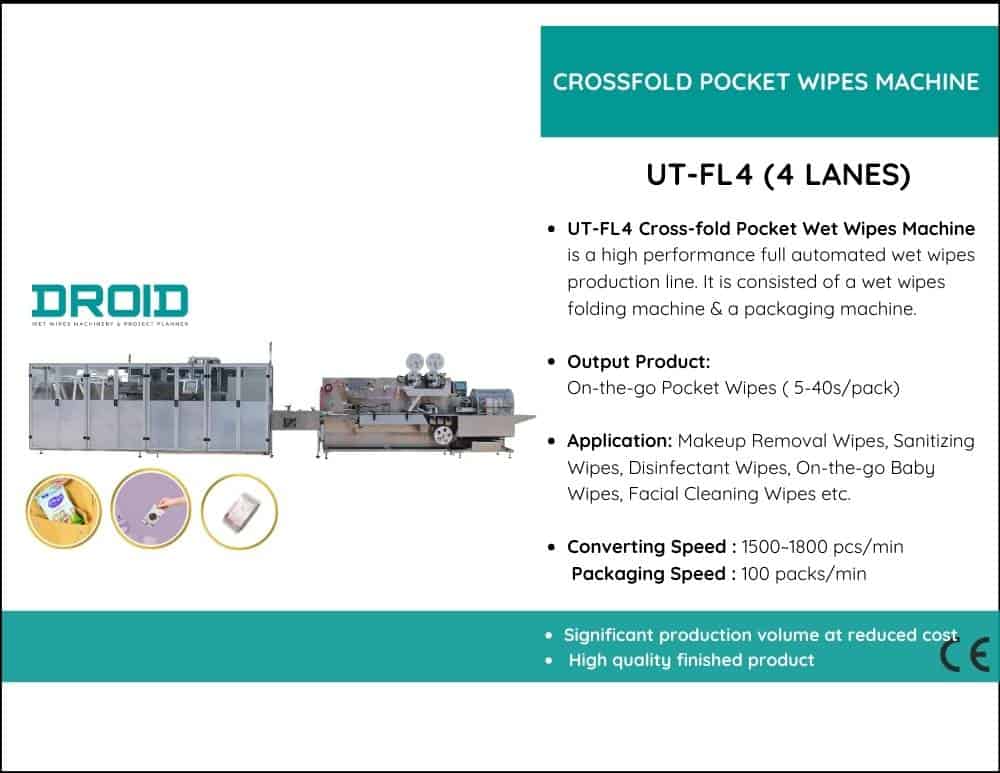
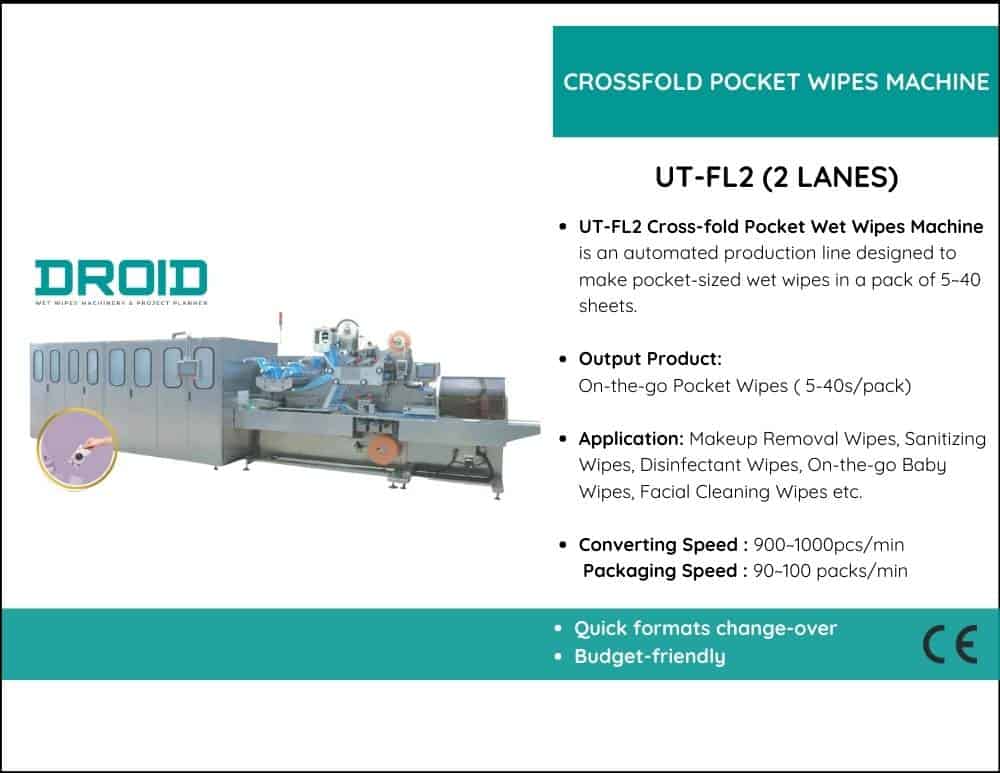
A wet wipes machine is industrial equipment that transforms nonwoven fabric into packaged wet wipes. Material feeding, folding, liquid dosing, cutting, stacking, and packing are just a few of the integrated tasks that the machine usually completes. To ensure reliable product quality and efficient manufacturing, contemporary wet wipes machines are designed for high-speed automated production.

Global-standard wet wipes are developed to comply with worldwide legislation and industrial performance standards, whereas domestic wet wipes are often intended to meet local manufacturing needs. Stronger mechanical construction, sophisticated automation systems, superior compliance documentation, and the ability to operate reliably in fast-paced industrial settings are characteristics of global machines.

Long-term running costs, product uniformity, and production stability are all directly impacted by machine standards. During continuous production, machines constructed to higher technical standards retain accurate motion control, lower vibration, and increased dependability. This helps producers reduce waste, minimize downtime, and maintain consistent product quality.

International manufacture of wet wipes should usually adhere to engineering and safety standards, including CE certification, ISO-aligned safety criteria, and appropriate electrical protection systems. Regulatory inspections and factory audits also need comprehensive technical documentation, such as safety circuit diagrams and risk assessments.

Yes. Spunlace, airlaid, biodegradable substrates, and lightweight flushable textiles are just a few of the nonwoven materials that may be processed by modern wet wipe machines. To ensure consistent manufacturing across a range of fabrics, sophisticated machines employ precision folding technology and tension control systems.

A wet wipes machine’s production capacity varies based on the product type and machine design. High-speed industrial machinery can produce thousands of packs per hour or hundreds of wipes per minute. Factors such as wiping size, folding pattern, package design, and material properties also affect production speed.

Several integrated systems, including a nonwoven feeding unit, folding system, liquid dosing unit, cutting mechanism, stacking device, packing machine, and control system, are commonly found in a whole wet wipes production line. To sustain steady output, these elements must cooperate with exact synchrony.

Because wet wipes production lines run continuously and require regular maintenance, spare part replacement, and technical updates, after-sales assistance is crucial. To ensure steady machine operation, reliable equipment providers offer technical documentation, remote troubleshooting, replacement part availability, and long-term service support.

Many factors should be considered by buyers, including technical documentation, automation technology, machine durability, engineering competency, preparedness for compliance, and after-sales assistance. Stable, long-term manufacturing performance can be ensured by selecting a manufacturer with significant technical competence and experience in multinational projects.

Successful producers of wet wipes invest in reliable equipment, uphold stringent quality control procedures, and choose equipment providers that offer ongoing technical assistance. Global engineering standards enable enterprises to meet regulatory requirements, deliver consistent outputs, and adapt to changing market needs.

Ask For A Quote 

0 + 4 = ?

Contact Form