
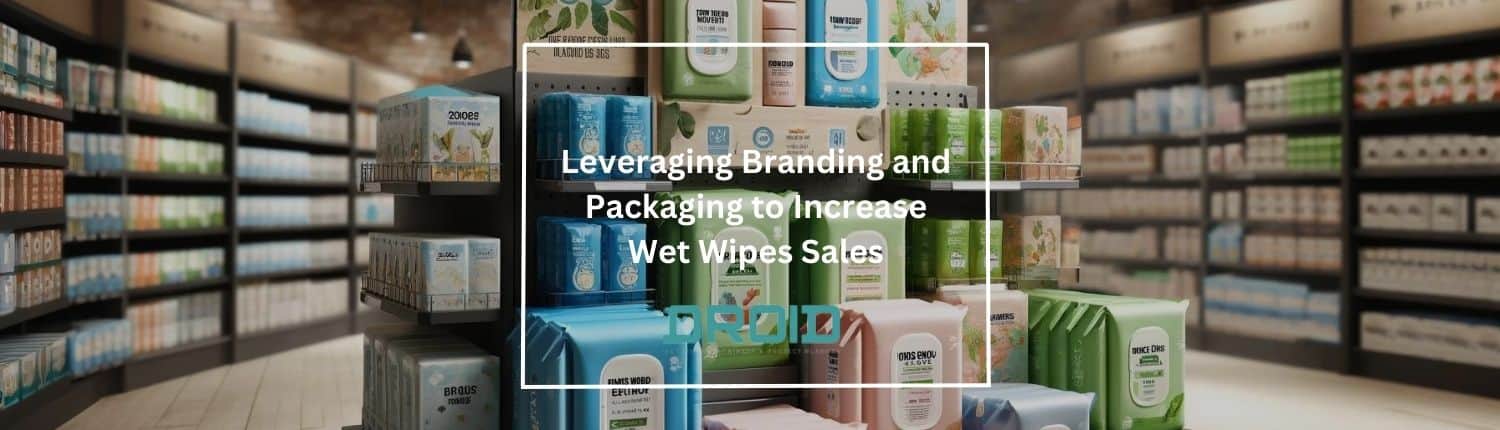
1. Understand Your Target Audience
Understanding your target demographic is the cornerstone of successful branding and packaging initiatives. Knowing who your clients are and what they value allows you to personalize your product offers to fit their wants and preferences. For instance, if your primary consumers are busy parents, they typically emphasize convenience and safety. This data can inspire the design of packaging that is easy to open with one hand and includes features like resealable closures to prevent drying out. Additionally, highlighting safety features and hypoallergenic ingredients on the package might reassure parents and increase the likelihood of purchase.
For eco-conscious millennials, sustainability is a crucial priority. This group is more inclined to buy products that match their ideals, such as those with eco-friendly packaging and natural ingredients. Understanding this, you can focus on producing packaging that incorporates recyclable or biodegradable materials and displays eco-friendly certifications. Marketing messaging should emphasize the environmental benefits of your product, build a stronger connection with this audience, and strengthen brand loyalty.
Beauty aficionados, however, are attracted to items that offer improved personal grooming and indulgence. This section of the market values packaging that is aesthetically beautiful and provides a sense of high quality. To appeal to beauty-conscious consumers, invest in packaging designs that stand out on the shelf. Incorporate aspects such as sophisticated typography, sumptuous textures, and enticing color palettes. Gaining a deep understanding of the subtle distinctions within your target demographic enables you to develop a more captivating, customized marketing plan, ensuring your wet wipes connect with the right customers and generate more sales.

2. Create a Strong Brand Identity
Establishing a robust brand identity is essential for differentiating your wet wipes from competitors and cultivating client loyalty. A comprehensive brand identity consists of your logo, color scheme, typography, and overall visual style. These elements should constantly convey your company’s fundamental beliefs and objectives. Begin by crafting a captivating brand narrative that highlights the unique qualities that set your wet wipes apart. Your brand narrative should deeply resonate with your intended audience and be seamlessly integrated across all aspects of your branding, whether it centers on sustainability, exceptional quality, or groundbreaking innovations.
The logo serves as a crucial component of your brand’s identity. The ideal choice should possess qualities such as simplicity, memorability, and alignment with your brand’s unique nature. When selecting a logo for a wet wipes brand, it is important to choose a design that conveys cleanliness, freshness, and trust. Select a color scheme that corresponds to these concepts; for instance, shades of green and blue can effectively communicate a sense of environmental consciousness and cleanliness, while delicate pastel hues can imply a feeling of tenderness and attentiveness. To establish a unified, easily identifiable brand image, it is crucial to maintain consistency by using the same colors across all packaging, marketing materials, and online platforms.
Typography is also a crucial factor in establishing brand identity. Choose typefaces that harmonize with your logo and color palette, and ensure they are easily readable and aligned with your brand’s style. For example, a contemporary sans-serif typeface may convey a sense of simplicity and efficiency, whereas a serif typeface could suggest sophistication and heritage. In addition to visual elements, it is crucial that your brand’s voice and messaging be consistent and aligned with your audience’s expectations. Ensure the tone of your brand is consistently aligned with its values, whether conveyed through packaging text, social media posts, or customer service interactions. This can be achieved by adopting a warm and approachable, professional and informative, or caring and empathic tone. An influential brand identity not only aids in recruiting new customers but also in establishing a devoted client base that resonates with your business’s values.

3. Highlight Unique Selling Points (USPs)
It is crucial to emphasize your distinctive selling features (USPs) to distinguish your wet wipes from competitors and effectively convey the advantages to your intended audience. USPs, or unique selling propositions, are the specific characteristics or attributes that differentiate your product and make it notable in the marketplace. To determine your unique selling propositions (USPs), analyze the distinctive features or benefits your wet wipes offer that competitors’ products don’t. These factors may include exceptional quality, inventive packaging, environmentally friendly materials, or distinct advantages, such as hypoallergenic attributes or the inclusion of moisturizing ingredients.
After you have identified your unique selling propositions (USPs), make sure to showcase them in your branding and packaging clearly. To illustrate, if the wet wipes you possess are made from materials that naturally break down, emphasize this environmentally conscious feature on the front of the container with attention-grabbing symbols and easily understandable wording. Make sure that if your product contains distinctive ingredients such as aloe vera or chamomile, which provide additional skincare benefits, this information is readily apparent. Utilize bullet points or employ bold font to emphasize these pivotal characteristics. The packaging design should align with these unique selling propositions (USPs). For instance, incorporating green tones and nature-inspired visuals might enhance the message of ecological consciousness.
Furthermore, integrate your Unique Selling Propositions (USPs) into your marketing and advertising tactics. Produce informative content to educate clients about the distinctive advantages of your wet wipes through blog posts, social media campaigns, and videos. Customer testimonials and reviews effectively highlight your unique selling points (USPs) through the experiences of contented individuals. Showcase narratives or instances where your wet wipes effectively resolved a particular issue or achieved outstanding outcomes. By consistently conveying your Unique Selling Propositions (USPs) across all points of contact, you establish a compelling value proposition that deeply connects with consumers and motivates them to choose your product over competitors. This not only attracts new customers but also enhances the retention of existing customers by highlighting the distinctive advantages your brand offers.

4. Invest in High-Quality Packaging
Strategically investing in premium packaging can significantly enhance the appeal and perceived value of your wet wipes. Superior packaging not only safeguards the goods but also serves as a powerful marketing tool that influences consumer purchasing decisions. Robust, meticulously crafted packaging evokes a perception of high-end excellence, fostering consumer trust in the product’s effectiveness and dependability.
First and foremost, it is crucial to choose packing materials of superior quality. Select materials that are durable enough to safeguard the wet wipes throughout transportation and storage. To meet the increasing customer demand for sustainable products, it is advisable to utilize environmentally friendly materials, such as recycled plastics or biodegradable alternatives. The material must also preserve the integrity of the wet wipes, preventing them from becoming desiccated or contaminated. By investing in resealable closures or moisture-locking technologies, the package’s functionality can be improved, ensuring that wet wipes stay fresh and usable for extended periods.
Furthermore, the packaging design should be visually captivating and consistent with your brand’s identity. Allocate resources towards engaging professional design services to develop packaging that distinguishes itself on store shelves and captivates your intended consumer base. Employ top-notch printing methods to guarantee vivid hues and easily readable text. The design should possess both aesthetic appeal and informational efficacy, effectively conveying the distinctive attributes and advantages of the wet wipes. Providing comprehensive details regarding ingredients, instructions for use, and certifications helps foster trust and equip consumers with the essential knowledge needed to make well-informed purchasing choices.
Finally, you must consider the pragmatic features of the packing. Optimal packaging should be user-friendly and convenient. Features such as user-friendly sealing, compact and portable dimensions, and ergonomic designs can significantly enhance the user experience. For instance, if your intended demographic comprises time-constrained parents, packaging that allows for effortless one-handed opening or compact packets that can conveniently fit into a diaper bag can be exceedingly attractive. By allocating resources to superior packaging that is both practical and visually appealing, you can enhance customer satisfaction, bolster your brand’s reputation, and foster customer loyalty.
Investing in premium packaging goes beyond visual appeal; it aims to deliver a holistic, favorable consumer experience, from the initial encounter with the product on the shelf through its use. This investment yields a return in the form of greater client satisfaction, loyalty, and, eventually, sales.

5. Design with Shelf Appeal in Mind
Considering shelf appeal during the design process is essential for attracting consumer attention and increasing sales in a highly competitive industry. Shelf appeal refers to the visual appeal and conspicuousness of your product when displayed alongside competitors in a retail setting. The objective is to design distinctive packaging that catches attention and effectively conveys the product’s value at a glance. The ability of a product to attract and engage consumers through its visual presentation on store shelves can have a substantial impact on their decision-making process, ultimately determining whether they choose your product or a competitor’s.
To enhance your product’s visual appeal on store shelves, start by using vibrant, captivating colors that set it apart from competitors. Intense, vivid colors can attract attention, whereas more muted, refined shades can convey a sense of opulence. The selection of colors should align with your brand’s identity and your target audience’s preferences. For example, incorporating green and earthy hues can appeal to environmentally conscious consumers, whilst employing lively, vibrant patterns may attract families with small children. In addition, integrating captivating visuals or distinctive designs can enhance the memorability and interactivity of your package.
Typography and layout are crucial elements that contribute to a product’s appeal when displayed on a shelf. Utilize easily readable typefaces for crucial details such as the product title, prominent attributes, and brand emblem. The design should be structured and user-friendly, enabling buyers to understand the product’s nature and advantages quickly. Placing the distinctive features that make a product stand out prominently on the front of the package can enhance its appeal and generate more curiosity. Take into account the packaging’s general form and arrangement as well; distinctive shapes or inventive designs can establish a clear visual character that distinguishes your product from others on the shelf. By ensuring your packaging achieves visual equilibrium and is aesthetically pleasing, you can attract consumers and make a favorable initial impression that could boost sales.
Integrate components that effectively convey the product’s superior quality and advantages. This may include high-quality photos of the goods in use, official certifications, or endorsements from reputable sources. Using packaging that narrates a compelling story or elicits an emotional response can further enhance its appeal when displayed on store shelves. An example is a wet wipes package that effectively communicates a dedication to environmental sustainability through its design, appealing strongly to consumers who prioritize eco-consciousness. By prioritizing packaging that stands out on store shelves, you capture potential customers’ attention and effectively communicate your product’s value and excellence, ultimately fostering customer loyalty and boosting sales.

6. Incorporate Functional Features
Integrating functional elements into wet wipe packaging is crucial for improving consumer ease and satisfaction. Functional characteristics refer to practical features that enhance the product’s usability, storage, and portability. These characteristics can significantly influence the consumer’s overall experience, enhancing your product’s appeal and increasing the likelihood of repeat purchases.
A crucial functional attribute for wet wipes packaging is the inclusion of a resealable closure. An intelligently engineered resealable mechanism, such as a hinged lid or a resealable adhesive strip, ensures moisture and freshness are preserved in the wipes for an extended period. This functionality is especially crucial for users who use wipes infrequently and want to avoid the hassle of dried-out wipes. In addition, resealable closures help maintain hygiene by preventing contamination from external factors. Enhancing the product’s usability and consumer satisfaction can be achieved by ensuring the resealing mechanism is both user-friendly and durable.
Another important factor to consider is the product’s mobility. Consumers frequently transport wet wipes in different environments, such as their purses, vehicles, or baby carriages. Compact, lightweight packaging enhances portability for convenient use on the go. Consumers who prioritize convenience and mobility strongly prefer single-use packs or travel-sized containers. Creating packaging that is both robust and pliable can effectively prevent damage during transportation and ensure the product remains usable at all times.
Intuitive dispensers are also a valuable and practical attribute. Wet wipes packaging with convenient, single-handed dispensing can offer a notable benefit, particularly for parents managing multiple responsibilities simultaneously. Single-dispensing units reduce waste and extend product longevity. Consider ergonomic designs that fit comfortably in the hand and are easy to use. By prioritizing these pragmatic elements, you can design packaging that not only meets consumers’ utilitarian needs but also enhances their overall satisfaction, resulting in stronger brand loyalty and higher sales.
Integrating practical features into the packaging of your wet wipes demonstrates a commitment to enhancing customer convenience and satisfaction. By placing great importance on usability and concrete benefits, you can develop a product that distinguishes itself in the market, offering clear advantages that influence purchasing decisions and cultivate lasting customer relationships.

7. Leverage Emotional Branding
Emotional branding is an effective tactic for establishing a profound, enduring bond with your customers. Emotional branding goes beyond a product’s utilitarian features to tap into the emotions and values of your intended audience. When it comes to wet wipes, it is important to understand the emotions that influence buying decisions and integrate this understanding into your branding efforts. By eliciting favorable feelings, you can cultivate customer loyalty and position your product as a preferred option among consumers.
Begin by discerning the fundamental feelings that your brand intends to elicit. Wet wipes can evoke sensations of cleanliness, security, comfort, and attentiveness. Parents, for example, may be motivated by the aspiration to ensure their children’s safety and well-being, while beauty fanatics may demand products that provide a sense of indulgence and self-assurance. Develop your brand narrative and communication strategy centered on these feelings. Incorporate vivid imagery, evocative language, and resonant hues that align with these emotions. For instance, employing gentle, muted hues and portraying cheerful, well-groomed youngsters might elicit feelings of security and coziness, while streamlined, sophisticated aesthetics can attract individuals seeking opulence and personal well-being.
Emotional branding involves creating a storyline that people can connect with. Provide narratives regarding the genesis of your brand, the meticulousness and dedication involved in the production of your wet wipes, or endorsements from contented clientele. Emphasize the core principles your brand represents, such as environmental consciousness, excellence, or active community involvement. The coherence of this narrative should be maintained consistently across all channels, encompassing packaging, advertising, social media, and customer service. When consumers perceive themselves as integral to a broader narrative and align their values with your brand, they are more likely to form a strong emotional bond and exhibit loyalty to your product.
Finally, connect with your customers on an emotional level by providing unique experiences and interactions. Use social media platforms to build a cohesive online community where customers can actively share their personal experiences and anecdotes about your wet wipes. Address their feedback and express gratitude for their continued loyalty. Developing marketing campaigns that showcase practical applications of your product can enhance your brand’s relatability and personification. Illustrating how your wet wipes have helped parents in difficult circumstances or enhanced someone’s beauty regimen can increase your brand’s relatability and emotional appeal. By consistently leveraging emotional branding, you can build a loyal customer base that not only purchases your product but also actively promotes your brand, driving sustained success and long-term growth.

8. Stay Updated with Trends
Keeping abreast of trends is crucial for staying relevant and competitive in the ever-changing wet wipes business. Consumer tastes and market dynamics are ever-changing, driven by factors such as technological advances, environmental considerations, and shifting lifestyles. To stay updated with the latest trends, it is important to adjust your products and marketing methods accordingly. This will help you meet current demands and anticipate future needs, ensuring your brand remains attractive and unique.
An important aspect to monitor is environmental sustainability. With the increased awareness of environmental concerns, people are actively seeking environmentally friendly products. The prevalence of trends such as the use of biodegradable materials, recyclable packaging, and reduced plastic consumption is increasing. Keeping abreast of these trends might help you innovate your product offerings to better align with consumer expectations. Integrating biodegradable wipes and packaging created from recyclable materials can appeal to environmentally conscious clients and showcase your dedication to sustainability.
Technological progress also has a substantial impact on molding consumer tastes. Packaging innovations, such as moisture-lock technology, enhanced resealable mechanisms, and intelligent packaging that can monitor usage, are becoming increasingly popular. Moreover, the emergence of e-commerce and direct-to-consumer sales channels has altered how customers acquire and engage with items. Gaining insight into these technology trends can enable you to optimize the usefulness and convenience of your wet wipes, thereby enhancing the overall consumer experience. By adopting digital trends such as augmented reality (AR) for interactive packaging or QR codes that provide supplementary product information, your company can distinguish itself in a competitive market.
Both social and cultural developments are equally significant and should be considered. The rise in health and wellness trends has increased demand for products containing natural, hypoallergenic ingredients. By closely observing shifts in customer behavior, such as the increasing inclination towards self-care and beauty regimens conducted at home, you may customize your products and marketing communications to align with these trends. Interacting with your intended audience on social media platforms and staying attentive to their feedback can yield valuable insights into emerging trends and preferences. To maintain relevance, appeal, and a competitive edge in a rapidly evolving industry, it is crucial to be informed about current trends. This allows for ongoing innovation and adaptation, particularly for your wet wipes brand.

9. Test and Iterate
Testing and iteration are essential stages in ensuring the success of your wet wipes product and its packaging. This approach entails iteratively improving your product by incorporating user feedback and optimizing performance to meet consumer demands effectively. By implementing a systematic process of testing, learning, and making enhancements, you can improve your product’s quality, increase customer satisfaction, and better align with the market.
Before introducing your product, it is essential to carry out comprehensive testing. This might encompass both internal testing conducted within your organization and external testing involving actual consumers. Internally, verify that the product and packaging adhere to all quality and safety standards. Evaluate the test’s longevity, usability, and functionality. When it comes to wet wipes, it is important to assess the durability of the material, the efficiency of the sealing mechanism, and the ability to retain moisture over time. Externally, use focus groups or beta testers to gather preliminary feedback on the product’s performance and packaging design. Take note of their observations regarding usability, convenience, and visual appeal.
After your product launches, make sure to gather feedback and statistics consistently. Analyze customer evaluations, sales statistics, and return rates to identify issues and opportunities for improvement. To enhance your understanding of your consumers’ experiences and preferences, actively engage them through surveys, social media, and customer care channels. Examine this input to identify precise elements of the product or packaging that may require modifications. If customers repeatedly report that the resealable closure is difficult to use, it would be advisable to revise this aspect to improve its user-friendliness.
Iteration involves making educated enhancements based on the feedback and data gathered. Implement modifications and improvements to resolve identified problems and improve the overall functionality of the product. This may entail modifying the packaging to enhance user-friendliness, adjusting the wipes’ formulation to improve effectiveness, or revamping the branding to better connect with your intended demographic. Following the implementation of modifications, it is necessary to retest the updated product to verify that the enhancements have produced the intended outcome. It is important to continuously engage in this iterative process, making regular updates and changes to ensure that your product remains in line with consumer expectations and market trends. By adopting an ongoing enhancement mindset, you can ensure your wet wipes remain competitive, maintain superior quality, and remain popular with consumers, ultimately driving long-term growth and success for your brand.

Conclusion
Why is packaging important for wet wipes sales?
Because packaging affects a customer’s first impression and choice to buy, it is vital to the sales of wet wipes. Packaging that is appealing, useful, and well-designed may draw attention to a product on store shelves, convey its advantages quickly, and enhance perceptions of its quality. In addition to preventing contamination and moisture loss, efficient packaging ensures product freshness and reliability.
What features make wet wipes packaging more attractive to consumers?
Packaging that blends convenience and aesthetic appeal usually attracts consumers. Resealable lids, simple one-hand opening, small travel-friendly sizes, and unambiguous ingredient or benefit labels are important qualities. Products stand out in busy retail spaces because of eye-catching colors, high-quality printing, and contemporary design.
How can branding increase wet wipes product sales?
Consumer recognition, trust, and emotional connection are all enhanced by strong branding. You can set your wet wipes apart from the competition with a consistent brand design that includes your logo, colors, typography, and message. Customers are more inclined to pick a brand frequently when they are familiar with and trust it, which increases sales and fosters long-term client loyalty.
What are the most effective unique selling points (USPs) for wet wipes products?
USPs, including biodegradable materials, skin-friendly compounds, antibacterial qualities, alcohol-free formulae, and environmentally friendly packaging, are highlighted by successful wet wipe businesses. These characteristics help customers understand why the wipes are superior to rival products and effectively convey the product’s advantages.
How does eco-friendly packaging impact wet wipes purchasing decisions?
Eco-friendly packaging has a big impact on what people buy, particularly those who care about the environment. Customers who value sustainability are drawn to packaging made of recyclable, biodegradable, or reduced-plastic materials. Customers are more likely to trust and remain loyal to brands that exhibit environmental responsibility.
What role does shelf appeal play in wet wipes marketing?
Whether customers notice your product amid dozens of other brands depends on its shelf appeal. Packaging with eye-catching colors, unambiguous wording, compelling images, and a well-organized layout helps grab attention quickly. Retail performance may be enhanced, and impulsive sales can rise with strong shelf appeal.
What packaging innovations are trending in the wet wipes industry?
Moisture-lock technology, resealable closures that are easier to use, biodegradable materials, refill packs, and smart packaging with QR codes are among the most recent packaging advancements in the wet wipes sector. These developments meet contemporary environmental standards while improving user ease.
How can wet wipes brands create emotional connections with consumers?
By highlighting values such as family care, cleanliness, safety, sustainability, and self-care, wet wipes companies can build emotional bonds. Using social media, marketing campaigns, and packaging to convey a story makes it easier for customers to connect with the brand and feel more comfortable making a purchase.
Why is understanding the target audience important for wet wipes branding?
Knowing their target market enables firms to customize features, message, packaging, and product design to suit particular demands. For instance, whereas beauty customers would focus on skincare benefits and upscale packaging, parents might prioritize safety and convenience.
How can wet wipes manufacturers improve packaging design before launching a product?
Before going on sale, manufacturers may enhance package design via focus groups, customer testing, and prototype trials. Gathering input on usage, durability, and aesthetic appeal helps identify changes early, ensuring the finished product meets customer expectations and performs well in the marketplace.
 Izmir, Turkey
  Zhengzhou, China
 Seoul, South Korea
  Delhi, India